AI Traffic Is Rising, but Network Investment Offers Little Incentive... "Policies Needed to Create a Virtuous Cycle for Network Investment"
- Input
- 2026-09-22 15:36:45
- Updated
- 2026-09-22 15:36:45
"Hard to Recover Investment Costs Even as Traffic Rises"
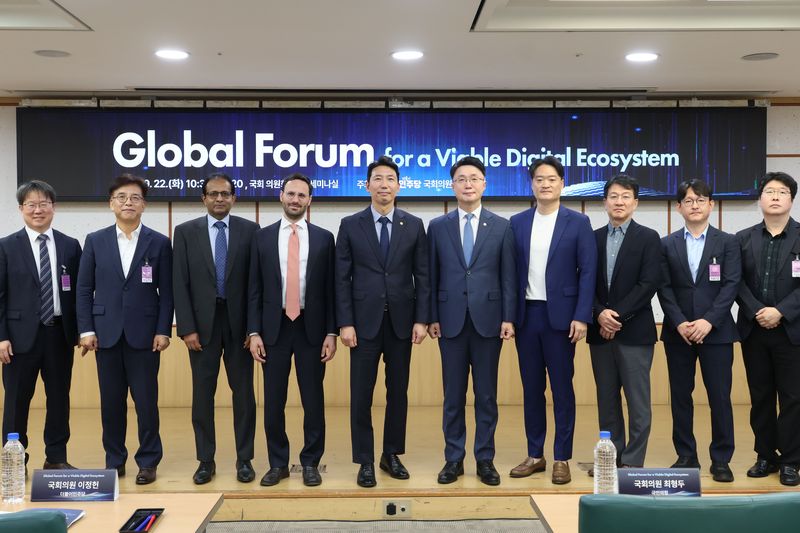
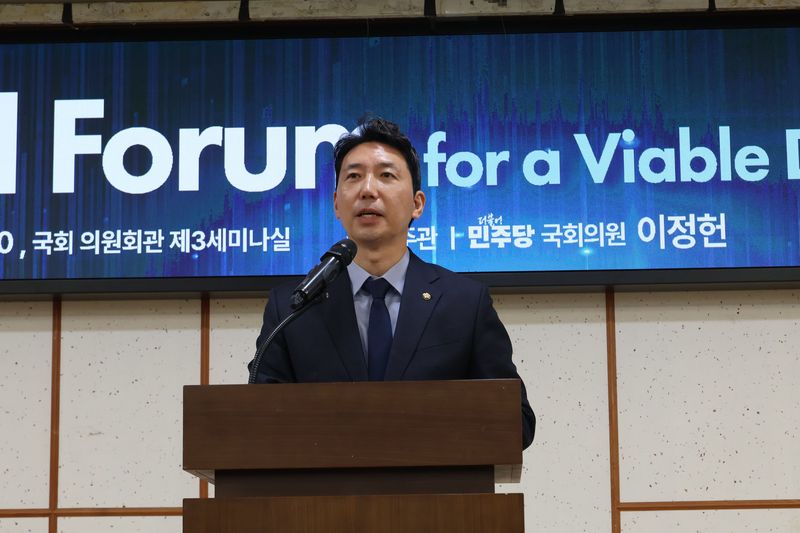
Lee Jung-heon of the Democratic Party of Korea hosted the Global Forum for a Sustainable Digital Ecosystem on the 22nd in Seminar Room 3 at the National Assembly Members' Office Building. The forum was organized to examine the burden of investing in telecommunications networks amid the spread of AI services and discuss policy measures to sustain network investment.Kim Myung-soo, a professor at KNU, delivered a presentation titled "Network Neutrality and Network Usage Fees in the AI Era" at the forum. He assessed that while the growth of AI services is increasing traffic and adding to telecom operators' network investment burden, the structure of the industry makes it difficult to secure corresponding revenue.
Professor Kim explained that as AI services become more widespread, the quality demanded of telecommunications networks also rises, making networks critical infrastructure that determines service performance. He said, "Investment pressure from rising traffic is concentrated on telecom operators, widening the asymmetry between revenue and costs," and pointed out, "It is difficult to establish predictable standards for negotiating network usage fees through individual lawsuits alone between large platform operators (CPs) and telecom operators."
Professor Kim argued that the same standards should apply to domestic and overseas CPs so they contribute fairly to network investment costs, which should then be linked to network reinvestment and improvements in AI service quality. He added that policies are needed to consider both competition and user protection while reviewing regulations concentrated on telecom operators.
"Network Neutrality and Network Usage Fees Are Separate Issues"...Proposal to Institutionalize Negotiations
During the ensuing discussion, participants argued that network neutrality and network usage fees should be treated as separate issues. Kim Tae-oh, a professor at CNU, said, "The essence of network neutrality is a norm designed to prevent competition from being distorted through traffic discrimination," adding, "It should not be interpreted as requiring all data to be transmitted free of charge at the same quality." He explained that platform design and algorithms also affect traffic generation, so the parties that determine data flows should be examined broadly.Cho Dae-geun, an adjunct professor at Sogang University, also stressed that network neutrality and network usage fees are separate issues. He said, "Rising traffic does not guarantee higher revenue for telecom operators," emphasizing, "Network neutrality concerns unfair discrimination and users' right to choose, whereas network usage fees concern who bears the cost of connectivity." He proposed that the government establish a national telecommunications network strategy for the AI era and clearly define the permitted scope of services that provide differentiated network quality.
Dr. Hyeongjik Lee of ETRI cited research findings and said that the effect of increased data demand from the use of over-the-top (OTT) services on telecom operators' revenue growth may be limited. He added that policymakers should consider ways to foster cooperation and investment incentives across the digital ecosystem rather than relying solely on the existing revenue structure of the telecommunications market.
Overseas presenters also emphasized the link between revenue and network investment. Alessandro Gropelli, secretary-general of Connect Europe, an alliance of European telecom operators, pointed to stagnant revenue and limited investment capacity in the European telecommunications industry. Mani Manimohan, division head at GSMA, said economic value created through infrastructure investment needs to flow back into network investment.
Lee Jung-heon said, "Network infrastructure is the foundation of the AI industry and a matter of national competitiveness," adding that he would work to ensure the experts' proposals from the forum lead to legislation and policy.
[email protected] Yoon Hong-jip Reporter