"Stop Pine Wilt Disease from Spreading Along the West Coast"—KFS Deputy Administrator Lim Ha-su Inspects Disease-Control Site in Seosan
- Input
- 2026-09-22 12:44:55
- Updated
- 2026-09-22 12:44:55
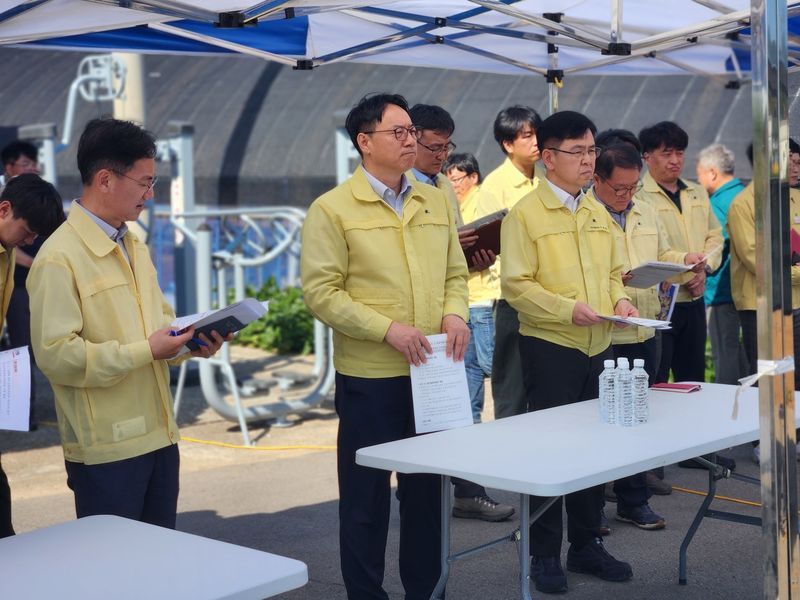
The inspection was conducted as damage from pine wilt disease has recently increased in the west coast areas of South Chungcheong Province, including Taean County and Boryeong. The aim was to contain the spread of the disease to neighboring Seosan, while exploring ways to carry out control operations efficiently and make industrial use of damaged trees.
After touring the site, Lim said, "Damage from pine wilt disease has recently increased in west coast areas, making close cooperation between the central and local governments for a joint response more important than anything else." He added, "We will maximize the effectiveness of control measures through thorough surveillance and strategic action, while actively developing ways to recycle trees felled because of the infection as forest resources."
Meanwhile, as hot and dry weather caused by climate change continues, the active seasons of the Japanese pine sawyer and northern pine sawyer, which transmit the pinewood nematode, are becoming longer, while their distribution ranges are expanding. In response, forest authorities are strengthening their disease-control network by operating an "intelligent surveillance system" that uses drone thermal-imaging cameras and artificial intelligence (AI)-based image analysis to identify infected trees in rugged mountainous areas that are difficult for people to access in real time.
[email protected] Kim Won-jun Reporter