"Just One More Thing" Dozens of Times: Japan's Sitting Minister Reveals Trump's Negotiating Tactics
- Input
- 2026-09-22 15:21:28
- Updated
- 2026-09-22 15:21:28
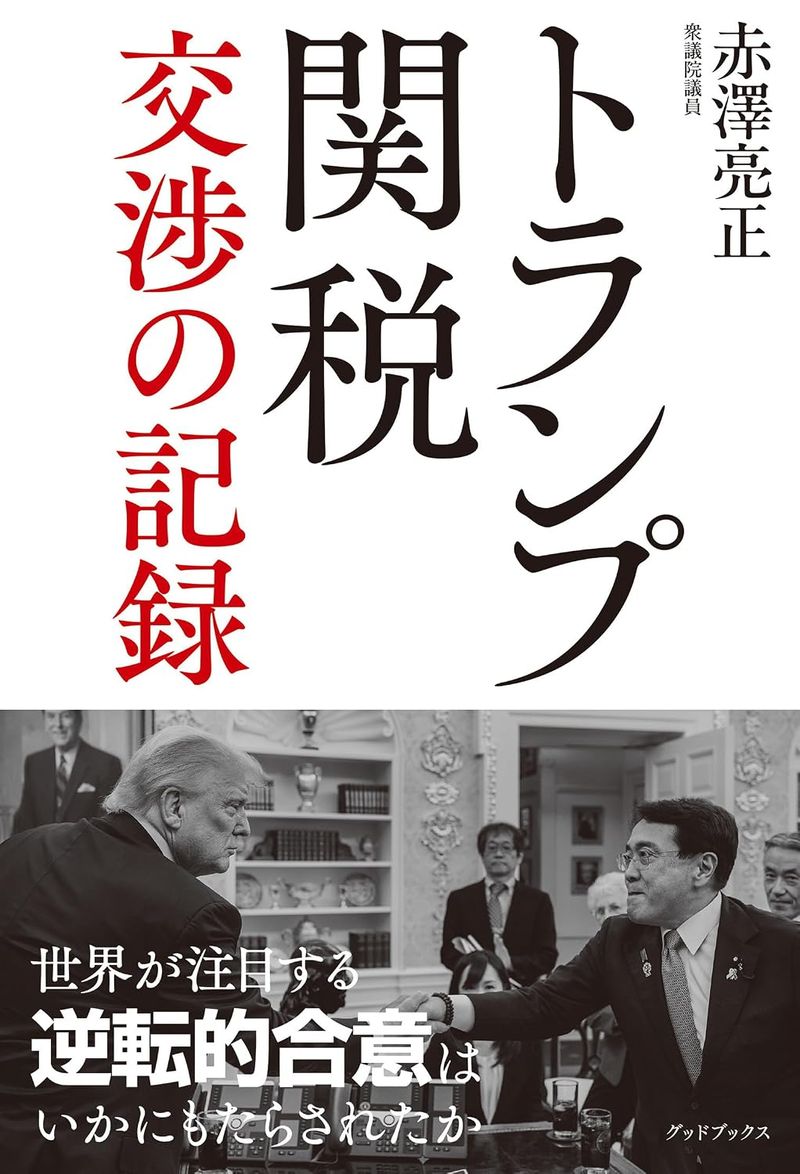
[TOKYO—Correspondent Seo Hye-jin] "Mr. President, may I say just one more thing?"
At the White House on July 22 last year, Ryosei Akazawa, then Japan's minister in charge of economic revitalization, raised his index finger and requested an opportunity to speak to U.S. President Donald Trump dozens of times. During the 70-minute negotiations, he personally explained Japan's position for more than two-thirds of the meeting.
If he stopped talking, President Trump could declare, "That's the deal," locking automobile and reciprocal tariffs in at 19% to 25%.
In his recently published book "Trump Tariffs: A Record of the Negotiations," Ryosei Akazawa revealed the strategy and behind-the-scenes details of the talks. Written by a sitting minister, the book ranked first in the weekly nonfiction category at a major Tokyo bookstore and has entered its second printing.
After being appointed chief negotiator in April last year, he visited the United States 10 times over five months.
The final negotiations came suddenly. The previous night, United States Secretary of Commerce Howard Lutnick invited him to his home and asked, "You can make a deal with the president tomorrow. Do you want to?" Japan's negotiating team reviewed President Trump's likely response until 11 p.m., while working-level officials stayed up all night preparing materials.
Lutnick, a longtime friend of President Trump, served as the channel for conveying Japan's proposals to the final decision-maker. The next day, Akazawa appealed that some Japanese companies were "losing 100 million yen an hour and 2 billion yen a day" because of the additional automobile tariffs, adding, "We cannot leave the White House without stopping this bleeding."
Emphasizing losses alone could not move President Trump. Japan's answer was "investment rather than tariffs." In exchange for lowering automobile and reciprocal tariffs to 15%, Japan expanded its framework for investment in the United States, using equity contributions, loans and guarantees from government-affiliated financial institutions, from $400 billion to as much as $550 billion.
The book reveals three principles of negotiation. Approaching first with a smile represented "courtesy." Creating an investment proposal that the United States could promote while protecting Japan's tariffs reflected "the other side's perspective." Visiting the United States 10 times and repeating "just one more thing" until the end demonstrated "not giving up."
Akazawa proposed publishing the book himself. Citing the phrase "hassai soku kiroku," meaning that lessons from responding to rare emergencies should be properly recorded for future generations, he said, "I recorded the Trump tariffs, which can be called a national crisis, with the same idea."
Although the account is limited by being a self-assessment from one of the parties involved, the process of preparing figures the other side would accept and identifying the person to deliver them offers useful lessons for South Korea as well.
[email protected] Seo Hye-jin Reporter