"A Policy Focused Entirely on Advanced Industries ... Neglecting Consumption and Welfare Is Undermining China's Ruling Base" [Lee Seok-woo's China 24]
- Input
- 2026-09-22 14:48:19
- Updated
- 2026-09-22 14:48:19
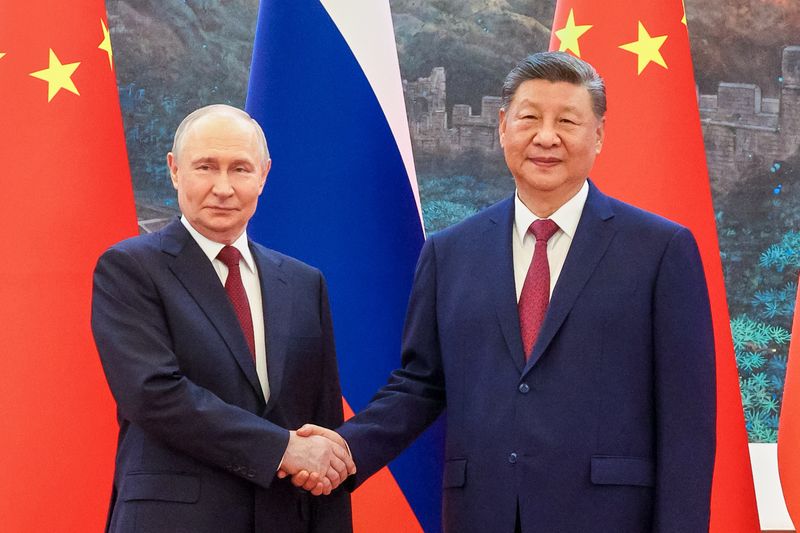
[Financial News] Chinese President Xi Jinping's economic policies, which prioritize advanced industrial development and concentrate investment in the sector, are being assessed as putting the CPC's ruling base at risk. With an eye on strategic competition with the United States, the policies have focused so heavily on advanced industries that domestic demand has been neglected, weakening economic vitality and fueling domestic discontent.
WP argued on the 21st local time that Xi Jinping's economic approach is a high-risk gamble premised on Chinese citizens and China's trading partners bearing the costs.
WP analyzed that, alongside the property downturn, the Chinese government's policy of subsidizing future technologies and related production is one of the main reasons for weak consumption. As a result, China's factories and technology laboratories are attracting global attention, while many people remain trapped in jobs with little future, such as platform work, weakening the vitality of the domestic economy.
Focused investment to catch up with the United States in advanced technologies
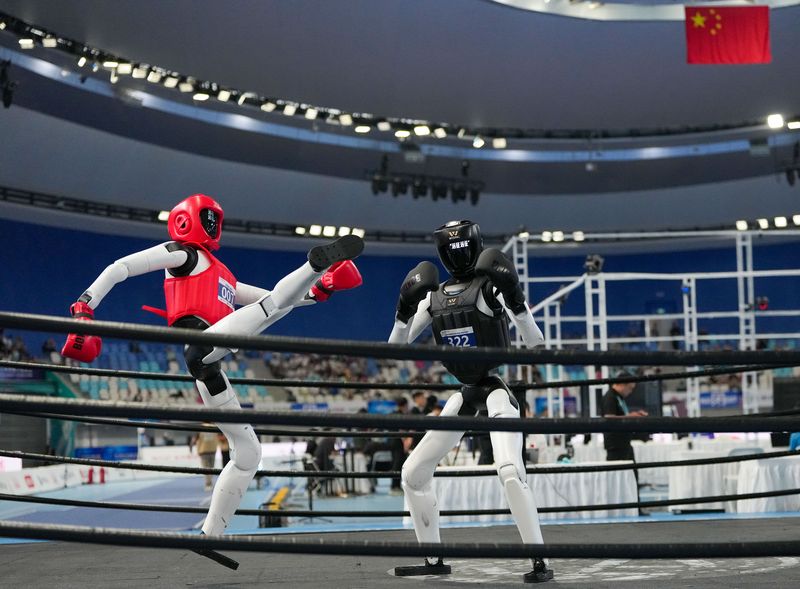
WP pointed out that Xi is concentrating investment on achieving parity with the United States in advanced technologies such as semiconductors and artificial intelligence, which are essential to global dominance. It said this has become one reason Chinese consumers are not increasing their spending. With advanced technology development taking precedence over expanding domestic consumption, efforts to stimulate consumption have been neglected.
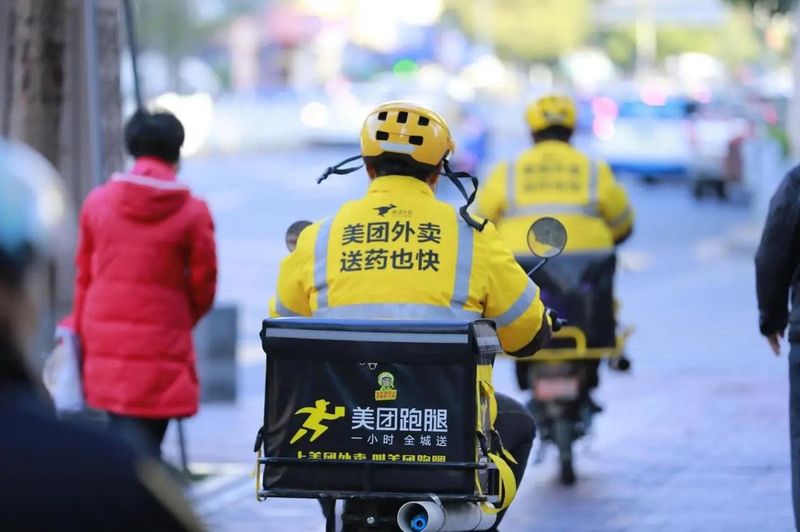
According to the China Research Center for New Forms of Employment, more than 280 million Chinese people have been pushed into short-term jobs, including platform work, amid sluggish employment growth. This represents a 75% increase from 2019.
The slowdown in growth is accelerating this situation. Economic growth this year is expected to come in below 5%, which would be the weakest performance since 1991. Some even argue that China's economy is effectively not growing, questioning these official statistics as well.
The biggest reason for China's domestic consumption slump was the disappearance of $10 trillion in household wealth when the country's property bubble burst five years ago. Even so, the Chinese authorities' policy of prioritizing the promotion of future technologies and pouring subsidies into related sectors is further weakening consumption.
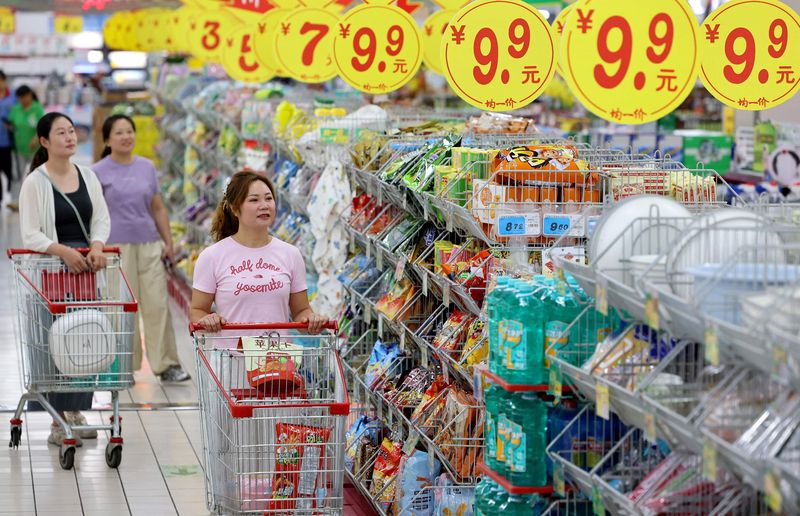
The lack of a nationwide old-age security system is also worsening the consumption slump, as households save about half of their income on average. According to the World Bank (WB), household consumption accounts for only 40% of China's economy, well below the global average of 64%. The fact that ordinary people's incomes remain low despite saving at low interest rates is also worsening the situation. Authorities are keeping rates low so companies can obtain low-cost loans.
Since 2021, when investment became concentrated in advanced industries ... Financing for state-owned enterprises has risen 9% annually
Chinese authorities are directing support toward key industries. During the 2008 financial crisis, China made massive investments in infrastructure, building roads, bridges, airports and high-speed rail networks nationwide. Investment later shifted to the property sector, creating and ultimately bursting a huge bubble.
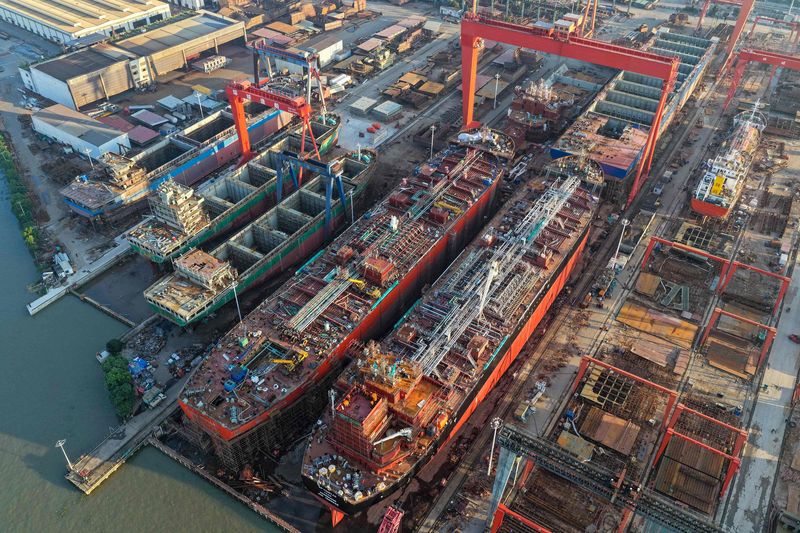
Since 2021, the Chinese government has focused on investment in advanced manufacturing. According to a study released in June by the McKinsey Global Institute, Chinese state-owned enterprises increased financing for new production capacity by 9% annually, while private companies increased it by only 1%.
China is now adding three times as much new production capacity each year as the United States and Europe combined. Most of it is financed by savings locked inside the country by capital controls.
These investments have placed China in a position of global dominance across a growing number of industries. They have also brought the country closer to its goal of achieving independence in technologies long dominated by the United States.
However, WP noted that much of this investment has been wasted. According to McKinsey & Company, generating $1 in additional output in China requires 70% more capital than in the United States or Europe. Local governments and state-owned enterprises borrowed from banks or issued bonds to finance the projects, creating a debt burden that raises questions about China's ability to afford its economic plans. According to the Institute of International Finance (IIF), China's total debt now exceeds 300% of the size of its economy.
American economist Michael Pettis, who has lived in Beijing since 2002, said, "China's growth is overly dependent on debt. As a result, it has taken on one of the fastest-growing debt burdens in history."
Expanding overseas exports of excess production ... The dilemma of expanding employment
The newly built factories can produce far more cars, chemicals, solar panels, steel and cement than China can sell domestically.
Amid "destructive competition" among domestic Chinese companies, prices in some sectors, such as electric vehicles, have fallen so low that companies are selling products at or near cost to stay in business, WP noted. It added that some loss-making companies are staying afloat with government support.
According to a recent European Parliament (EP) report, Chinese manufacturers exhausted by competition in the domestic market are increasingly selling products overseas at "artificially low prices." However, trading partners are also increasingly pushing back against China, whose dependence on foreign markets is growing in order to keep factories operating and workers employed.
China's domestic economy is stagnant, and wage growth has slowed sharply, WP reported. Retail sales in July were little changed from a year earlier. Earlier this year, IKEA closed seven stores in China, including one in Shanghai.
Economists said that China, addicted to exports and debt, had entered an economic dead end, WP reported.
China's dilemma is that while the "new productive forces" of artificial intelligence and other advanced technologies may drive stronger economic growth, they are unlikely to create new jobs. The youth unemployment rate rose to 18.9% last month as a record number of graduates entered the labor market.
WP assessed that during China's remarkable economic development over the past 50 years, stability was based on an implicit political bargain. The policy focus on advanced technologies is putting at risk the bargain under which economic growth was exchanged for the CPC's continued rule over the past 50 years.
[email protected] Lee Seok-woo, International Affairs Specialist Reporter