"Rice Cakes More Dangerous Than Chocolate": Oral Health Turns "Red Alert" Every Chuseok [Smart Wellness]
- Input
- 2026-09-25 06:00:00
- Updated
- 2026-09-25 06:00:00
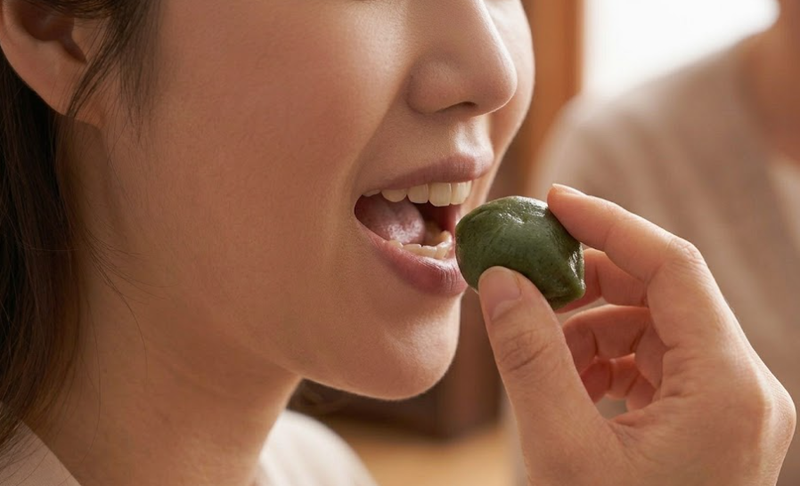
[Financial News] From the perspective of dental health, Chuseok is a challenging time. Sticky foods such as songpyeon, various rice cakes and traditional Korean confectionery increase the risk of cavities, while foods containing dark pigments can cause tooth discoloration. Experts unanimously say, "Because people eat more food during the holidays, more thorough oral care than usual is necessary."
More Frightening Than Sweetness Is "Stickiness": Songpyeon and Yakgwa Are Hidden Cavity Risks
Among holiday foods, the biggest contributors to cavity risk are rice cakes such as songpyeon and injeolmi, as well as yakgwa and yugwa coated with rice syrup to create a chewy texture. Many people simply think that foods high in sugar are the main cause of cavities. However, dental experts consider adhesiveness—the extent to which food remains stuck to the surface of the teeth—to be a more dangerous factor than sweetness.
The caries-inducing index provided by the Korean Dental Association shows that ice cream has a score of 11 and chocolate 15, while injeolmi scores 18, yeot 36 and caramel 38. This indicates that foods that cling to the teeth receive higher scores than foods that are merely high in sugar.
These foods cling firmly to the chewing surfaces and between the teeth, remaining there for a long time and creating an ideal environment for cavity-causing bacteria such as Streptococcus mutans. These bacteria break down sugars and secrete lactic acid, rapidly eroding tooth enamel.
The risk of cavities doubles if people enjoy late-night snacks and alcohol during the holiday break and then skip brushing their teeth. When sticky food residue remains in the mouth for a long time, it can, in severe cases, develop into acute pulpitis or periodontitis and cause excruciating pain.
From Galbijjim Sauce to Sujeonggwa: Tooth Discoloration That Steals Your Bright Smile
Tooth discoloration, as well as cavities, is another problem that increases during the holidays. Dark sauces based on soy sauce and gochujang, commonly served with galbijjim, japchae and various jeon dishes, can make the surface of the teeth look yellow.
Beverages enjoyed after meals to refresh the mouth can further increase the risk of staining. Dried persimmons and cinnamon served with sujeonggwa, as well as coffee, are rich in plant-based pigments, including tannin. Tannin binds to proteins in the mouth and then penetrates the outer surface of the teeth, making it a major cause of discoloration.
Young Jin Son, director of Misojin Dental Clinic in Busan, explained, "Although the surface of the teeth appears smooth to the naked eye, it actually has microscopic pores and grooves. Repeated exposure to dark sauces or deeply colored beverages can cause those pigments to accumulate on the tooth surface." He added, "If you frequently consume acidic beverages such as carbonated drinks, wine and orange juice along with holiday foods, the enamel on the tooth surface may weaken, causing discoloration to appear more quickly and intensely." He urged people to take caution.
Rinse with Water and Always Use Floss: Three Rules for Protecting Oral Health During the Holidays
Director Son also presented practical rules for protecting dental health during the holidays. He explained that some form of "first aid" is needed after eating foods with a high caries-inducing index or foods that cause tooth discoloration.
According to Son, people should rinse their mouths with plain water immediately after eating highly adhesive foods such as rice cakes or traditional Korean confectionery. Simply rinsing with water can wash away a significant amount of the sticky sugar residue and acidity attached to the teeth.
When brushing, people should always use dental floss or an interdental brush as well. Rice cakes and meat can easily become lodged deep between the teeth, where toothbrush bristles cannot reach. Physically removing debris between the teeth with floss can help prevent unnoticed cavities on adjacent tooth surfaces.
Finally, when drinking beverages that can stain the teeth, such as sujeonggwa, tea or coffee, it is advisable to use a straw to reduce the area of the tooth surface that comes into direct contact with the drink. Afterward, rinse the mouth immediately with water, and wait about 30 minutes before brushing gently, once the acids have been neutralized. This can help reduce enamel damage.
Ways to make life healthier and more vibrant are not far away. [Smart Wellness] shares wisdom for caring for the body and mind based on scientific evidence and the latest trends. Subscribe to the reporter's page to receive [Smart Wellness] conveniently.
[email protected] Kim Hyun-sun Reporter