"Just One More Thing"—Dozens of Times: Japan's Incumbent Minister Reveals Trump's Negotiating Tactics
- Input
- 2026-09-22 11:17:39
- Updated
- 2026-09-22 11:17:39
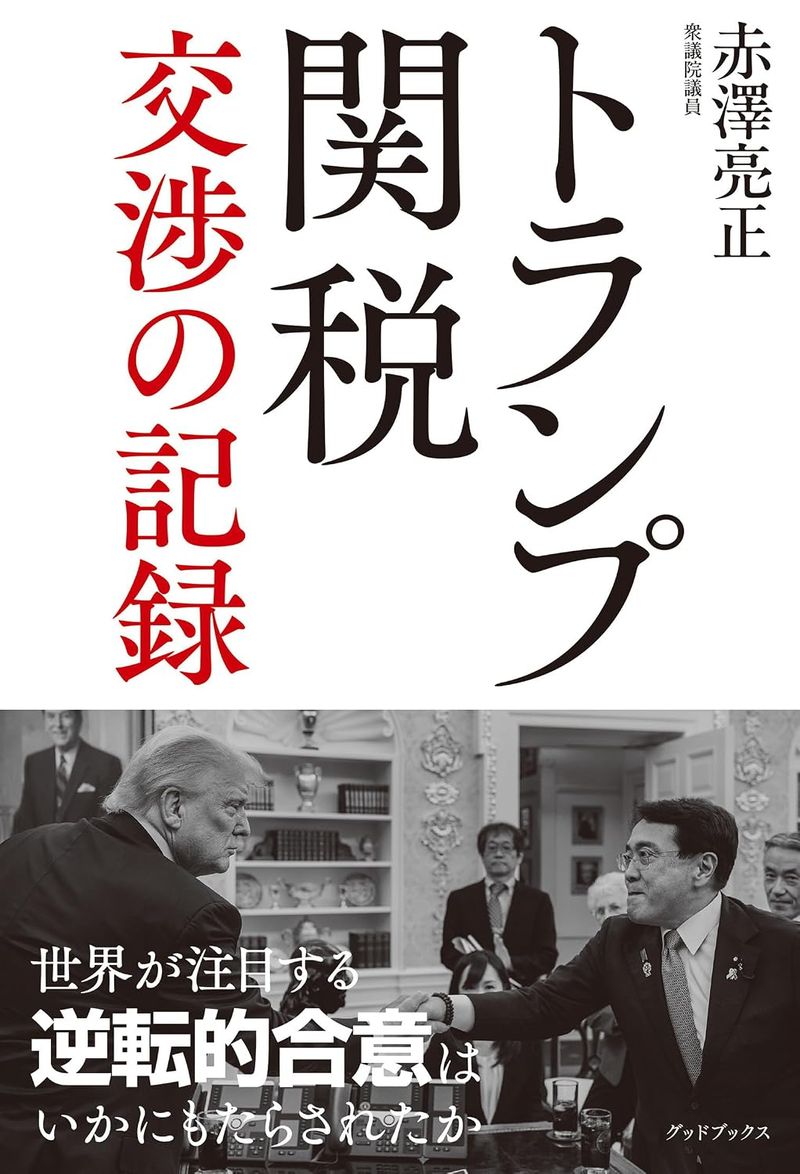
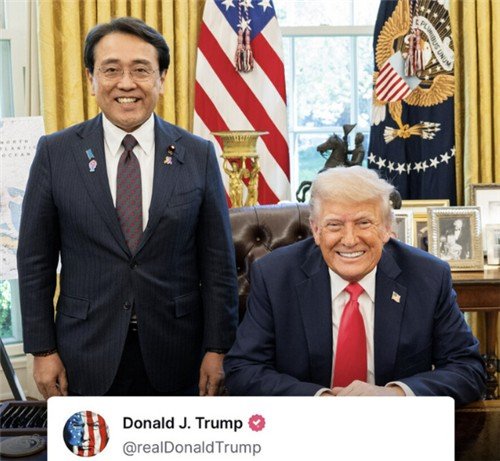
[Financial News, Tokyo—Seo Hye-jin, correspondent]"Mr. President, may I say just one more thing?"At the White House in Washington, D.C., on July 22 last year, Ryosei Akazawa, then Japan's minister in charge of economic revitalization, repeatedly raised his index finger to ask U.S. President Donald Trump for another chance to speak. During the 70-minute negotiations, he personally did the explaining for more than two-thirds of the time.
If he stopped speaking, President Trump could have declared, "This is a deal," locking in reciprocal tariffs of 19% to 25% on automobiles and Japanese imports overall.
In his recently published book, *Trump Tariffs: A Record of the Negotiations*, Akazawa recalled, "I should not have heard the president say, 'This will be the deal.'" The book, in which an incumbent minister personally recounts the strategy and behind-the-scenes details of the U.S.-Japan tariff negotiations, ranked No. 1 in the weekly nonfiction category at a major Tokyo bookstore and has entered its second printing.
■ "I Could Make a Deal with the President Tomorrow"
The book goes back to April last year, when Akazawa was appointed to lead the negotiations. Then Prime Minister Shigeru Ishiba described the U.S. tariff offensive as a "national crisis" and entrusted the talks to him. Akazawa wrote, "It felt as if my stomach had risen about one centimeter inside my body."
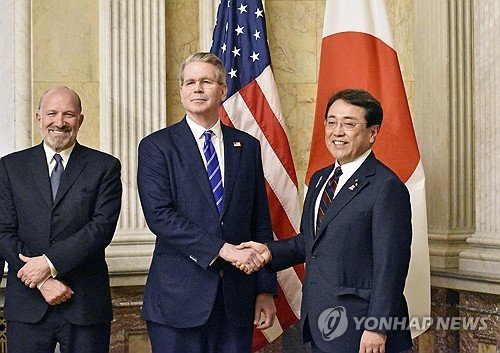
Although he visited the United States 10 times over the following five months, the final negotiations came unexpectedly. On the night of July 21 last year, U.S. Commerce Secretary Howard Lutnick summoned Akazawa to his home in Washington. "We can make a deal with the president tomorrow. Do you want to?"
Japan's negotiating team reviewed Lutnick's and President Trump's expected responses until 11 p.m. The working-level staff stayed up all night preparing materials for different scenarios. Lutnick, a longtime friend of President Trump, was the key channel for conveying Japan's proposal to the ultimate decision-maker. The two men grew close enough to call each other "Howard" and "Ryo."
At the White House the next day, Akazawa appealed that some Japanese companies were "losing 100 million yen an hour and 2 billion yen a day" because of additional tariffs on automobiles. He said, "I cannot leave the White House without stopping the bleeding."
But emphasizing the losses alone would not move President Trump. Japan's answer was 'investment over tariffs.' Rather than simply seeking lower tariffs on Japanese goods, Japan would increase investment and employment in the United States, allowing Trump to present the outcome as an achievement.
Japan lowered tariffs on automobiles and reciprocal tariffs to 15% in exchange for expanding its framework for investment in the United States, using equity investments, loans, and guarantees from government-affiliated financial institutions, from $400 billion to as much as $550 billion.
■ Abandoning Complex Formulas and Winning with Numbers
Japan did not begin with the investment proposal. It prepared a plan to calculate tariffs based on automobile production and employment in the United States, along with its past investment performance. But the plan was scuttled by President Trump's one-word response: "complex."
Instead, Japan put forward an investment plan that met Lutnick's demand for a 'big, bold and surprising proposal.' It also agreed to increase the share of U.S.-grown rice within the volume Japan is already required to import duty-free, without opening its market further. It was a compromise that protected Japan's agricultural tariffs while giving the United States an achievement to present.
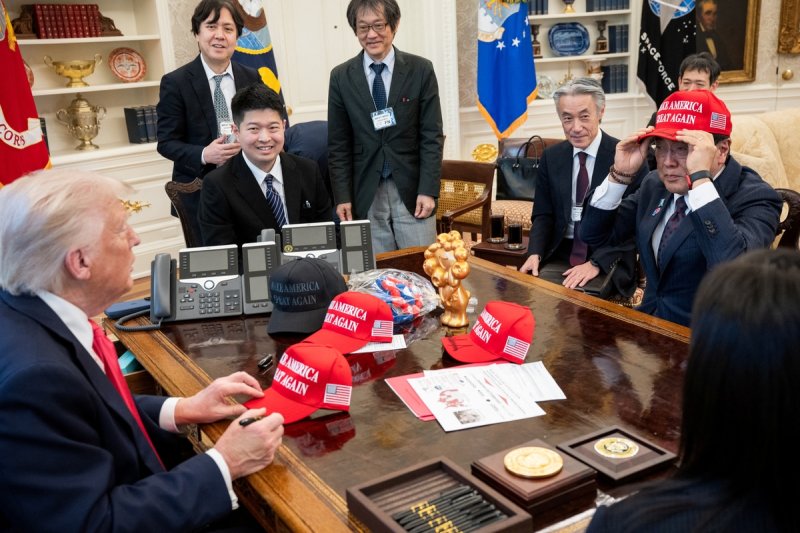
As the back-and-forth continued, President Trump summoned Republican lawmakers to his office and introduced the Japanese side as "a very tough negotiating partner." About 10 minutes later, he stood up and extended his hand to Akazawa. "You have a deal."
The book reveals three principles behind his negotiations. Greeting Trump with a smile at their first meeting and saying, "It is an honor to meet you," represented 'courtesy.' Protecting Japanese tariffs while creating an investment plan the United States could tout represented 'the other side's perspective.' Visiting the United States 10 times and repeating "just one more thing" until the very end represented 'never giving up.'
Akazawa was the one who first proposed publishing the book. He said, "It is also a negotiator's responsibility to explain to the public what we sought and under what constraints before the memories fade."
Because it was written by a participant, the book emphasizes Japan's achievements and does not disclose sensitive conversations. Still, Japan's negotiating process—preparing not only appeals about the damage but also numbers that President Trump could accept and the person who could deliver them—offers lessons for South Korea as it continues follow-up negotiations with the United States.
[email protected] Seo Hye-jin Reporter