"Urine Turning Cola-Colored?" ... The Trouble Caused by Overzealous Exercise in Cool Autumn Weather [Health Talk]
- Input
- 2026-09-22 09:28:48
- Updated
- 2026-09-22 09:28:48
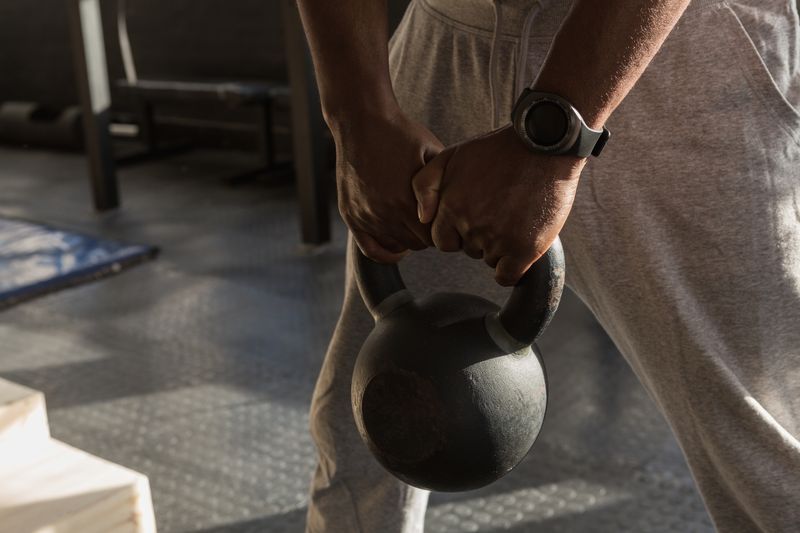
[Financial News] The number of young people in their 20s and 30s seeking medical care for rhabdomyolysis after taking up high-intensity exercise such as CrossFit and Marathon has been rising. Experts warn that the risk increases when people who do not normally exercise overexert themselves over a short period.
Delayed-onset muscle soreness occurs when exercise causes minor muscle damage and generally improves over several days. Rhabdomyolysis, however, is a condition in which damaged muscle cells release substances such as myoglobin into the bloodstream. In severe cases, it can lead to complications including acute kidney injury, making early diagnosis and treatment important.
Professor Yoo Mi-jung, a nephrologist at Ewha Womans University Mokdong Hospital, said, "The number of young patients in their 20s and 30s coming to the hospital with rhabdomyolysis after recently starting high-intensity exercise or suddenly increasing their exercise volume has been rising," explaining, "It often occurs when people who do not usually exercise engage in strenuous exercise over a short period or work out at an intensity beyond their fitness level."
Severe Muscle Pain Accompanied by Cola-Colored Urine
The main symptoms of rhabdomyolysis include severe muscle pain, swelling in the affected muscles, muscle weakness, and cola-colored or dark brown urine. The symptoms may occur mainly in large muscle groups such as the thighs, calves, lower back, and shoulders. Generalized weakness, nausea, and vomiting may also accompany them.
Urine turning cola-colored or dark brown is a key symptom that may indicate rhabdomyolysis. This happens because myoglobin released into the bloodstream by damaged muscles passes through the kidneys and is excreted in the urine. Myoglobin can put stress on the kidneys and, in severe cases, lead to acute kidney injury.
The risk of rhabdomyolysis may increase when people who normally exercise very little suddenly engage in high-intensity workouts or substantially increase the intensity and duration of their exercise. Caution is also needed when overdoing activities such as CrossFit, spinning, and interval training, which repeatedly use muscles at high intensity over a short period. The risk can rise further when exercising for a long time in hot conditions or when dehydration is involved.
Gradually Increase Exercise Intensity and Seek Medical Care Immediately if Symptoms Appear
Therefore, when starting a new exercise routine in the fall or resuming exercise after a long break, it is important to gradually increase the intensity and duration according to one’s fitness level. When exercising outdoors for an extended period, people should consider the weather and their physical condition and prevent dehydration through sufficient rest and fluid intake.
People should stop exercising and seek medical attention if they experience muscle pain or swelling that is unusually severe, difficult to endure, or prolonged; weakness in the limbs; urine that turns red, brown, or cola-colored; or a noticeable decrease in urine output.
Professor Yoo said, "Some patients come to the hospital with rhabdomyolysis after starting high-intensity exercise or suddenly increasing their exercise volume during seasonal transitions," emphasizing, "Rhabdomyolysis generally improves with intravenous fluid treatment, but some severe cases can progress to acute kidney injury and require dialysis. Therefore, when symptoms such as severe muscle pain or cola-colored urine appear, early diagnosis and prompt treatment are essential."
She went on to say, "Rhabdomyolysis can generally improve with intravenous fluid treatment, but some severe patients may progress to acute kidney injury and require dialysis," and emphasized, "If unusual and severe muscle pain, muscle weakness, or cola-colored urine develops after exercise, people should not dismiss it as ordinary muscle soreness and should seek medical care early."
[email protected] Jung Myung-jin, medical specialist Reporter