Xi Jinping Weighs Resuming $6 Billion in Annual U.S. LNG Imports During U.S. Visit
- Input
- 2026-09-22 06:29:50
- Updated
- 2026-09-22 06:29:50
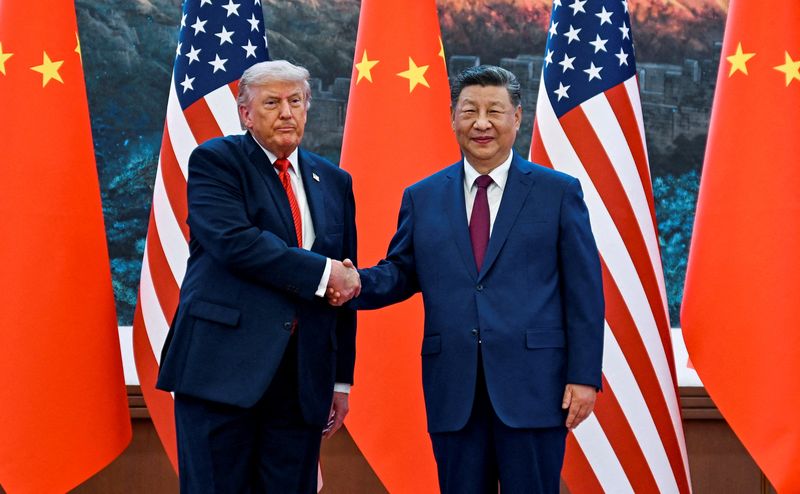
[Financial News] As Chinese President Xi Jinping visits Washington, D.C., this week, expectations are mounting that he will offer the resumption of $6 billion (approximately 8 trillion won) in annual imports of U.S.-produced liquefied natural gas (LNG) as a powerful bargaining chip to improve relations with the Donald Trump administration.
Gas trade between the United States, the world's largest LNG exporter, and China, the world's largest importer, effectively halted in February 2025 after President Donald Trump imposed sweeping tariffs shortly after beginning his second term. After China retaliated by imposing a 15% tariff on U.S. LNG, Chinese companies avoided the duties by reselling the entire volumes covered by their U.S. LNG contracts to buyers in Europe and Asia instead of bringing the gas into China.
Experts believe that eliminating LNG tariffs and resuming trade would be a win-win, benefiting both countries. Jane Nakano, a senior fellow at the Center for Strategic and International Studies (CSIS), said, "LNG is a clear area where both countries can benefit. Restoring relations would go beyond simply addressing the trade imbalance and support the sustained growth of the U.S. LNG industry."
From China's perspective, resuming LNG imports is a bargaining chip that entails little real loss. With military clashes unfolding in the Persian Gulf region of the Middle East and supplies of Qatari LNG, a key source, becoming unstable, U.S. LNG imports offer a useful alternative for shoring up China's disrupted energy supply chain. With spot prices having nearly tripled, U.S. LNG supplied under long-term contracts is highly competitive, costing around $8 per million British thermal units.
The Donald Trump administration could also provide long-term offtake volumes to the U.S. energy industry, which is pursuing a major expansion of export facilities, while securing a symbolic political achievement. China currently holds U.S. gas contracts totaling approximately 14 million tons annually, worth $6 billion per year at long-term contract prices.
The market is already showing signs of a shift. Last week, China Gas signed a 20-year long-term LNG purchase agreement with a U.S. exporter, with deliveries set to begin in 2030. It was an unusual move amid a trade cold war that had lasted for months.
There is, however, a potential obstacle. A tough sanctions bill recently signed by President Donald Trump could pose a problem. The bill gives the president authority to impose crippling tariffs on countries that purchase Russian oil and gas. Russia is currently China's second-largest LNG supplier, and China continues to import gas from facilities subject to U.S. sanctions. The key question is how the White House will apply the legislation.
Nevertheless, the U.S. energy industry is focused on the growth potential of the Chinese market. Cheniere Energy, the largest LNG exporter in the United States, said, "China's LNG market will double in size and become the world's largest in the coming years," signaling optimism about expanded trade between the two countries.
[email protected] Yoon Jae-jun Reporter