[Self-Reliance Holds the Answer] Colorectal Cancer Surges Among People in Their 20s and 30s... Time for Korean Medicine’s “Preventive Care Before Illness,” Caring for Yourself Before You Get Sick
- Input
- 2026-09-26 09:00:00
- Updated
- 2026-09-26 09:00:00
[Financial News] Cancer is often considered a disease whose risk increases with age. Recently, however, that perception has begun to change. The number of cancer patients among younger people is rising, with colorectal cancer being particularly notable. According to the latest National Cancer Registry statistics, the number of colorectal cancer patients in their 20s and 30s rose from 957 in 2019 to 1,948 in 2023, nearly doubling in four years.
The increase in colorectal cancer among younger people may be linked to family history and genetic factors, but lifestyle habits such as obesity, lack of exercise, frequent drinking, and diets centered on processed foods are also being cited as causes. In line with this, an analysis of the ninth edition of the dietary assessment index from the Korea Disease Control and Prevention Agency (KDCA)’s Korea National Health and Nutrition Examination Survey (KNHANES) found that people in their 20s and 30s had dietary scores of 50.3 and 52.8, respectively, placing them among the lowest-scoring age groups. The index measures how healthy a person’s usual diet is.
These dietary habits do not cause major changes in the body right away. Eating a late-night meal once does not cause illness. However, when such habits continue for years, the strain on the body can accumulate and eventually contribute to a higher risk of cancer.
Ultimately, what matters is not changing one’s lifestyle after a disease develops, but managing one’s health before any noticeable symptoms appear. This preventive approach is closely aligned with the Korean medicine concept of “preventive care before illness.” It means monitoring small changes in the body and managing them before they develop into disease. In modern terms, this can begin with improving daily habits, including eating regular meals, exercising, and getting enough sleep.
In addition to lifestyle management, Korean medicine uses various treatments, including acupuncture, moxibustion, and herbal medicine, depending on the patient’s condition. Research is also ongoing to scientifically determine how Korean medicine treatments affect physiological changes in the body. A representative area of study examines the relationship between gut microbiota and Korean medicine treatments, as gut microbiota are influenced by diet and the living environment and are linked to various physiological functions, including immunity and metabolism.
According to a study by Jaseng Oriental Medicine Hospital published in the international journal The American Journal of Chinese Medicine, acupuncture and moxibustion may alter the composition of gut microbiota. The researchers systematically analyzed 23 studies on the relationship between acupuncture, moxibustion, and gut microbiota, including three clinical studies and 20 preclinical studies.
As a result, some measures of gut microbial diversity were higher in the acupuncture and moxibustion treatment group than in the control group. The analysis also found that the relative proportions of Lactobacillus and Ruminococcus increased among the gut microbiota.
It has become difficult to take good health for granted simply because one is young. Lifestyle habits repeated throughout one’s 20s and 30s can affect health for decades to come. Each meal eaten today, every step taken today, and every night of sufficient sleep gradually build up and influence the body. Poor habits accumulate in the same way. Rather than waiting until illness develops to care for the body, it is important to reflect on one’s lifestyle beforehand. As cancer among younger people continues to rise, now may be the time to revisit the longstanding principle of preventive care before illness.
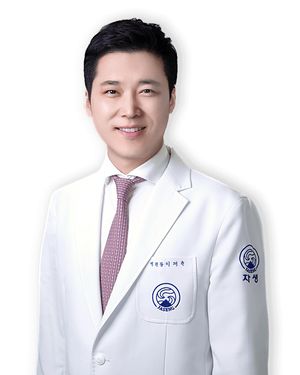
/Lee Je-gyun, director of Daegu Jaseng Oriental Medicine Hospital
[email protected] Jung Myung-jin, medical writer Reporter