Police to Impose Dismissal or Removal for Distortion of Law and Investigation-Related Bribery... “Removal from Service” as Principle
- Input
- 2026-09-21 18:05:22
- Updated
- 2026-09-21 18:05:22
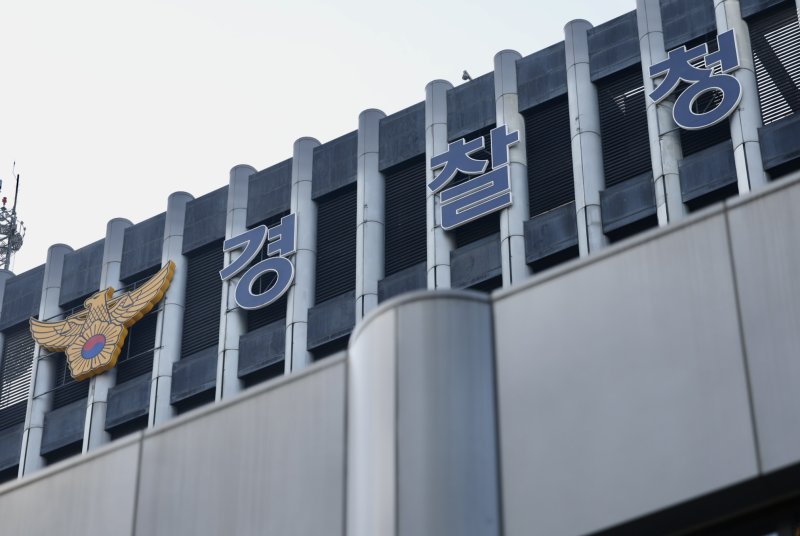
[Financial News] Police have decided to apply dismissal or removal from office as the default punishment for serious misconduct in investigative duties, including distortion of law and accepting money or entertainment in connection with investigations. They will also tighten disciplinary standards for disclosing or leaking important investigation and enforcement information, such as whether a warrant was issued.
The Korean National Police Agency announced on the 21st that the 596th meeting of the Korean National Police Committee approved a partial amendment to the Detailed Enforcement Rules for the Disciplinary Decree for Police Officials.
The amendment consists mainly of establishing disciplinary standards for conduct constituting distortion of law under Article 123-2 of the Criminal Act; strengthening disciplinary standards for accepting money, gifts, or entertainment in connection with investigative duties; and tightening disciplinary standards for disclosing or leaking important investigation and enforcement information.
As a first step, dismissal or removal from office will be applied as a rule to conduct constituting the offense of distortion of law, which was newly established through an amendment to the Criminal Act. The same disciplinary action will generally apply when officers accept money, gifts, or entertainment in connection with investigative or enforcement duties. Police explained that such conduct constitutes serious misconduct because it undermines the fairness of investigations and directly damages public trust in the police.
Disciplinary standards will also be tightened for disclosing or leaking important investigation and enforcement information. The police cited whether a warrant was issued, whether key evidence exists, and internal information related to wanted-person searches and enforcement operations as examples of important information. The agency said that disclosing or leaking such information could make it difficult to conduct investigations and enforcement operations properly while undermining the rights and interests of people involved in cases and the fairness of investigations.
An official from the Korean National Police Agency said, "Going forward, the Korean National Police Agency will respond firmly to misconduct that undermines the fairness and accountability of investigations and work to build police investigations that the public can feel safe relying on and trust."
[email protected] Kim Ye-ji Reporter