Stalking Tactics Evolve, but Statistics Remain in a “Blind Spot”... Next Year’s First Integrated Survey Put to the Test
- Input
- 2026-09-21 16:22:51
- Updated
- 2026-09-21 16:22:51
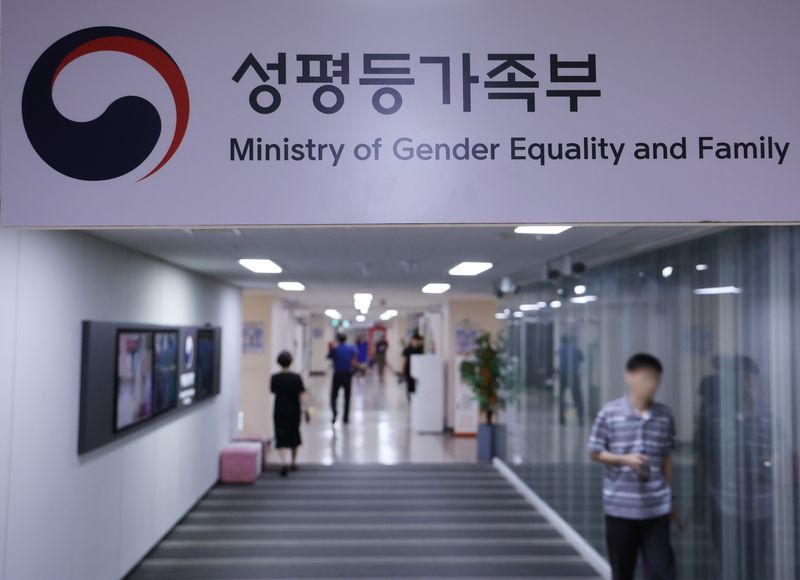
[Financial News] As reports of so-called “relationship-based crimes,” including stalking and dating violence, exceed 100,000 cases annually, perpetrators are expanding their methods online through social networking service (SNS) surveillance, location tracking and account theft. Although the government is expanding the questions in its related surveys, critics say a gap remains between actual crime patterns and national statistics because newly emerging forms of violence are not being fully captured. The key question is how much next year’s first integrated survey will fill the blind spots in existing statistics.
According to the Korean National Police Agency on the 21st, there were 111,014 calls to the 112 emergency police line related to stalking and dating violence from January through August this year, averaging 457 calls per day.
As reports continue, the methods used in these crimes are also becoming more diverse. Beyond tracking victims’ locations and monitoring their SNS activity, perpetrators have begun damaging victims’ reputations online and harassing them through their acquaintances. Because perpetrators and victims previously had relationships, information obtained from their daily lives, personal relationships and online activities can readily be exploited in crimes.
The problem is that current surveys do not adequately reflect these changes. In its “2025 Survey on Domestic Violence,” released in July, the Ministry of Gender Equality and Family expanded questions on digital violence, including location tracking and monitoring of online activity. However, online reputational attacks and harassment through acquaintances were excluded from the detailed categories.
Hong Mi-ri, an associate research fellow at the Korean Women’s Development Institute (KWDI), explained, "In last year’s survey, we narrowed the questions because breaking them down by type when the number of respondents was not large could reduce the accuracy of the responses. It was difficult to keep adding newly emerging types to the questionnaire."
In particular, existing domestic violence surveys were designed primarily around legal and common-law marriages. As a result, they did not include dating violence between non-cohabiting partners or former partners, limiting the scope of those surveyed.
The government plans to conduct its first integrated survey next year by combining existing surveys on domestic violence, sexual violence and other forms of violence. An official from the Ministry of Gender Equality and Family stated, "We are preparing the survey items this year with the Korean Women’s Development Institute and other organizations. We are continuing to discuss which items to include, covering sexual violence, domestic violence, stalking and more."
The new integrated survey is expected to expand its target population so respondents can participate regardless of whether they are married or cohabiting. The aim is to capture victimization in non-cohabiting relationships. The government is also considering subdividing newly emerging forms of violence, such as online reputational attacks, following a preliminary survey.
Meanwhile, experts say the initial design of the survey is important because it will be the first to establish a basis for future statistics on integrated relationship-based crimes. Its usefulness as foundational data for victim protection and support policies will depend on how fully it captures types of victimization and criminal methods that are difficult to identify through reported cases alone.
Hong said, "The integrated survey is expected to have a larger sample size than previous surveys, so we believe it will be possible to measure the frequency of detailed types of violence. We also expect the questions on online violence to be redesigned from those in previous surveys, which focused primarily on offline violence."
[email protected] Lee Dong-hyuk Reporter