"No Customers at All in the Early Morning"... Nearly 3,000 Neighborhood PC Cafés Have Disappeared in Five Years—What Happened?
- Input
- 2026-09-21 10:20:52
- Updated
- 2026-09-21 10:20:52
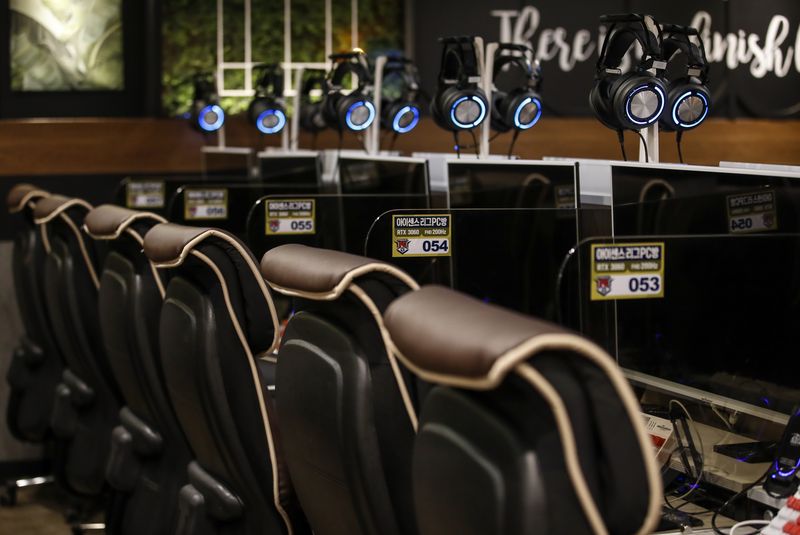
[Financial News] Nearly 3,000 neighborhood PC cafés have disappeared over the past five years. Owners say they have been unable to recover from the damage caused by COVID-19.
PC Cafés Hit Hard by COVID-19 Continue to Decline
According to the National Tax Service (NTS)'s National Tax Statistics Portal on the 21st, the number of PC café operators nationwide stood at 6,615 as of July. That was down 5.36%, or 375 operators, from 6,990 in the same month a year earlier. Compared with 9,482 in July 2021, five years ago, the figure had fallen by 30.23%, or 2,867 operators.
The number of PC café operators exceeded 10,000 in September 2017, but has continued to decline over the past several years. The COVID-19 pandemic that began in 2020 had a particularly significant impact on the decline.
Owners said the nighttime operating restrictions imposed by the government at the time were the decisive blow. To curb the spread of COVID-19, the government restricted the operating hours of multi-use facilities for about two years. Nighttime operations were especially important for PC cafés, reportedly accounting for 30% of their total sales. However, as the effects of the restrictions continued, that share is now said to have fallen to around 10%.
A, a 53-year-old man who operates a PC café in Jung District, Incheon, told Newsis, "When people were unable to visit PC cafés in the early morning during COVID, they started buying high-performance computers for their homes. Even after COVID ended, this vicious cycle of poor business has continued."
The Part-Timer Is Alone Before Clocking Out... "I've Been in This Business for 20 Years, but I've Never Seen Anything Like This"
B, 56, who operates PC cafés in Seoul and Gyeonggi Province, expressed a similar view. He said, "During COVID, many customers bought gaming computers for themselves. Since most games run well enough at home, they no longer bother coming to a PC café to play."
He added, "These days, there isn't a single customer in the early morning. Sometimes a part-timer is left alone before clocking out," and lamented, "I've been running a PC café for more than 20 years, but this is the first time I've seen anything like this."
The situation has become even more difficult, owners explained, as various fixed costs, including labor and electricity expenses, have risen. Since last year, computer component prices have also been climbing.
As demand for artificial intelligence (AI) data centers has grown, prices for key PC components such as PC DRAM and graphics processing units (GPUs) have also surged. According to DRAMeXchange, the average fixed transaction price of mainstream PC Double Data Rate 4 Synchronous Dynamic Random-Access Memory (DDR4 SDRAM) 8Gb (gigabit) was $25 in August, up 4.2% from the previous month. The price of a mainstream 128Gb multi-level cell (MLC) NAND product also rose 1.4% to $30.50. Both products reached record highs based on monthly averages.
Server components have risen even more sharply. As of the 15th of this month, the fixed transaction price of a DDR5 SDRAM 64GB (gigabyte) server module (RDIMM) had climbed to $1,500, or 5.5 times the year-earlier price of $272. In the spot market, the same product was reportedly traded at $3,100. TrendForce forecast that third-quarter contract prices for server DRAM would rise by 13% to 18% from the previous quarter.
Regarding the reasons for closing his PC café, B said, "In 2019, it was possible to open a 100-computer PC café with 350 million won, including the security deposit. Now, it takes just over 500 million won. Even if existing businesses spend money to upgrade their equipment, there is no guarantee that sales will improve, so I think many are choosing to close."
As the minimum hourly wage, weekly holiday allowance and electricity rates have all increased, he expressed hope that the government would examine ways to set different minimum hourly wages by industry so that businesses could reduce their labor costs.
[email protected] Ahn Ga-eul Reporter