KT: "Let's establish international standards for developing 'cybersecurity-specialized AI'"
- Input
- 2026-09-21 09:50:00
- Updated
- 2026-09-21 09:50:00
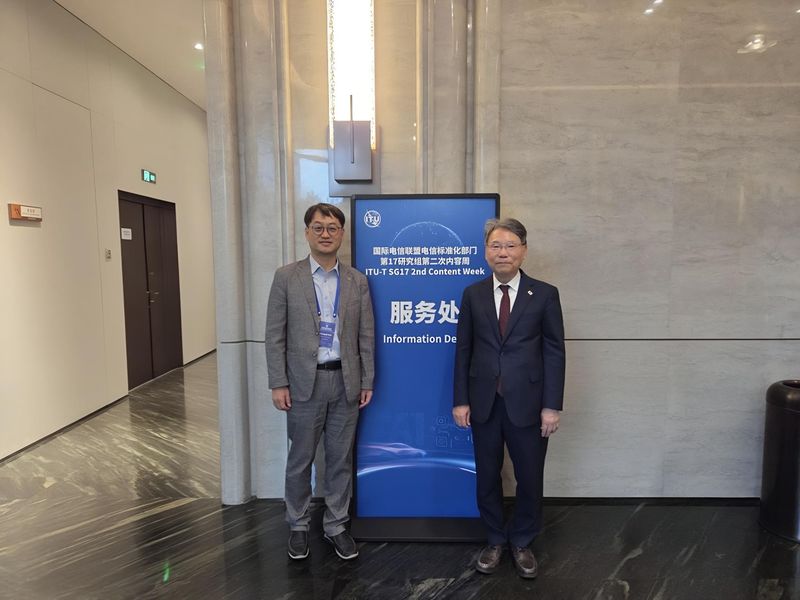
[Financial News] KT has begun efforts to establish international standards for developing 'cybersecurity-specialized artificial intelligence (AI)' using foundation models. It is pursuing common criteria covering everything from AI data to model development, evaluation, and improvement.
KT said on the 21st that it had participated in discussions on international standards for next-generation information security at the International Telecommunication Union Telecommunication Standardization Sector (ITU-T) Study Group 17 (SG17) international standards meeting, held in Chongqing, China, from the 7th to the 11th. SG17 is a study group that develops international standards for cybersecurity, security architecture, privacy protection, and AI security.
KT proposed guidelines for developing cybersecurity-specialized AI models using general-purpose foundation models as a new work item for international standardization. The proposal comes as the use of generative AI and foundation models expands, making AI-driven capabilities for threat detection, analysis, and response increasingly important in cybersecurity.
The proposal covers cybersecurity knowledge sources and datasets needed to develop AI models, technical considerations for developing cybersecurity-specialized models, evaluation criteria spanning the entire model development life cycle, and recommended practices for continuous model improvement.
If the guidelines are established as an international standard, they are expected to provide a foundation for companies and organizations to develop and operate cybersecurity-specialized AI models based on common criteria. They could also help improve interoperability among AI-based security solutions and advance capabilities for threat detection, analysis, and response.
KT also participated in developing international standards for 'digital trust' in the AI era. SG17 has been developing a technical report outlining the components and requirements of a 'trust framework' for defining trust and trustworthiness in telecommunications and information and communications technology (ICT) environments and applying them to systems and services.
KT proposed amendments to refine key term definitions and add components and requirements to the trust framework. The amendments were incorporated with support from the United Kingdom, India, and others, and publication of the technical report has been completed.
KT plans to expand its international standardization activities spanning AI cybersecurity, privacy protection, and digital trust while strengthening cooperation with domestic and international experts and international standardization organizations.
[email protected] Choi Hye-rim Reporter