"If We Lose, We’re Dead": Lee Seung-hyun and Lee Hyun-jung Open Up About Japan’s No-Show Bus [Nagoya AG]
- Input
- 2026-09-21 06:07:52
- Updated
- 2026-09-21 06:07:52
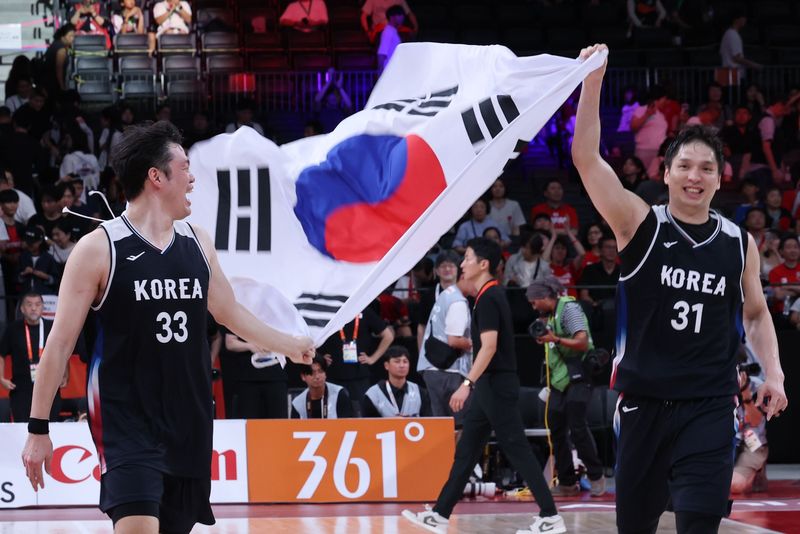
[Financial News] Behind the historic achievement of reclaiming the Asian crown after 12 years lay the host country's absurd administrative incompetence—and the fighting spirit of South Korea's players, who transformed it into grim determination.
On Sept. 20, the day of the men's basketball final at the 20th Asian Games Aichi-Nagoya, South Korea's national team faced an absurd situation. The bus that was supposed to take the players to their morning shooting practice vanished without any notice. With the decisive South Korea-Japan clash for the gold medal just hours away, the team lost its entire training session in an utterly baffling incident. It was the worst kind of variable, one that could have seriously shaken the players' morale.
But South Korea's iron-willed players turned the organizers' ridiculous mistake into gold-medal determination. After crushing Japan 67–57 and taking the top step of the podium, team captain Lee Seung-hyun appeared in the mixed zone and revealed what had happened on the morning of the final.
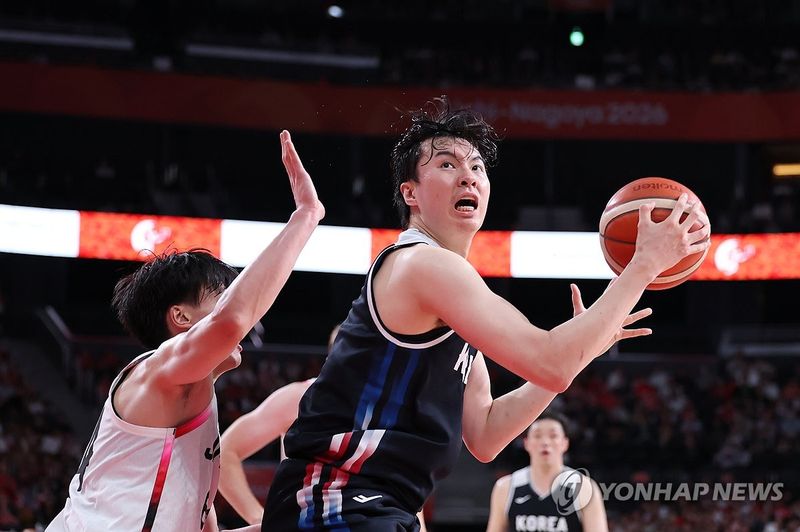
Lee Seung-hyun explained, "It is true that the players were on edge when our morning practice was forcibly canceled. But that frustration instead turned into a frightening resolve and unity: 'If we lose today, we're finished.'" Rather than working up a sweat on the court, the entire team took a light walk and had coffee together, which actually helped them regain their composure.
He did not, however, hold back his pointed criticism of the organizers. Lee Seung-hyun called it "a fatal mistake that should never occur at the final of an international event watched by the entire world" and declared, "This kind of absurd harm must never happen again to our athletes in other sports."
Lee Hyun-jung, the team's ace and cornerstone, was equally unshaken. "The bus not arriving was an external variable beyond our control. If missing one morning practice causes our performance to drop, then we do not deserve to be national team players," he said, displaying his steely mentality.
He was determined to channel his simmering anger entirely into his performance. Lee Hyun-jung revealed, "Coach Nicolas Mazuls told us not to respond emotionally and to remain calm," adding, "I kept my composure outwardly, but inside, an immense fighting spirit was boiling over. I was thinking, 'I'll leave everything on the court and die trying.'"
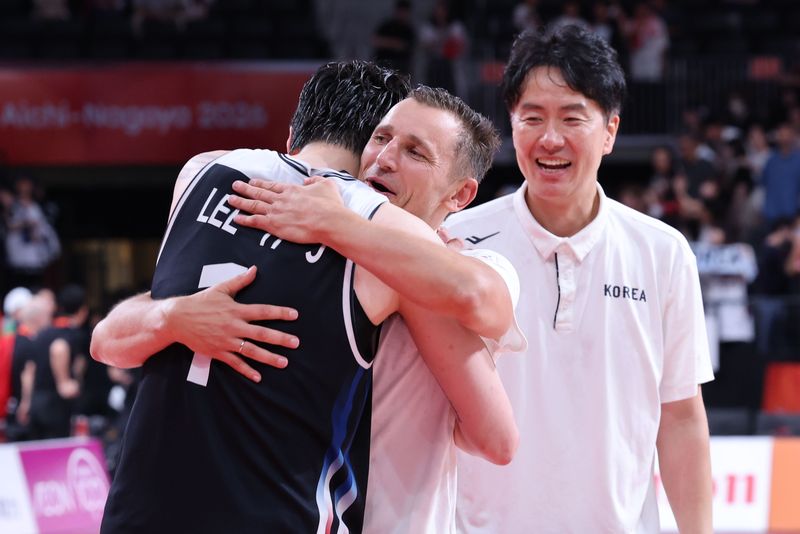
The leadership of Coach Nicolas Mazuls, who firmly supported the team, also shone through. Mazuls said, "Just as basketball requires players to forget past mistakes and focus on the 'next play,' I encouraged the players to forget about the bus incident," adding, "Even if the final had been held at dawn, we would have been fully prepared." He applauded the players for refusing to be defeated by the problems outside the court.
Despite the chaotic circumstances and the difficult conditions of playing on Japan's home soil, South Korea's basketball team secured a comprehensive victory. For veteran Lee Seung-hyun, who had endured the disappointment of a bronze medal at the 2018 Jakarta-Palembang Asian Games and the humiliation of a seventh-place finish—the worst result in the team's history—at the 2022 Hangzhou Asian Games, this gold medal meant far more than a simple championship.
Lee Seung-hyun could not hide his emotion. "After experiencing so many failures, I sometimes wondered whether a shining day would ever come again for Korean basketball. Today, that hope became reality," he said. He concluded his gold-medal journey in Nagoya with a heartfelt message: "I hope this gold medal becomes a solid foundation for the revival of Korean basketball. I hope our younger players can enjoy basketball in even better conditions in the future."
[email protected] Jeon Sang-il Reporter