SME Business Community Calls for Payment Deadlines on Delivered Goods to Be Cut in Half; Submits 32 Legislative Tasks to National Assembly
- Input
- 2026-09-20 14:50:03
- Updated
- 2026-09-20 14:50:03
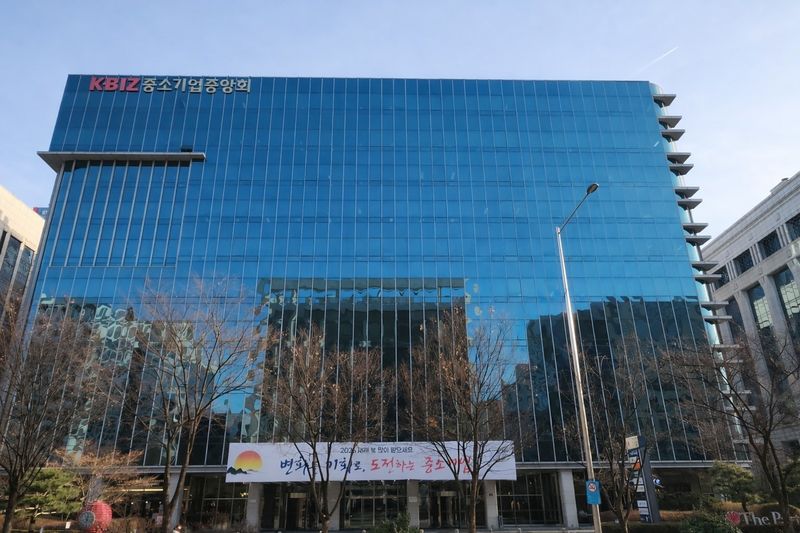
The SME business community called on the National Assembly to shorten payment deadlines for delivered goods and introduce a right for cooperatives to request consultations to narrow the bargaining-power gap between large enterprises and SMEs and ease financing difficulties. It also urged institutional improvements to respond to changes in the industrial environment, including establishing order in online platform transactions, supporting carbon neutrality, and retaining older workers. The call comes amid a deepening polarization between large enterprises and SMEs, with legislation deemed urgently necessary to strengthen the foundation for SME growth.
KBIZ said on the 20th that it had selected 32 legislative tasks for SMEs that should be prioritized during the latter half of the 22nd National Assembly. The tasks concern 28 laws under the jurisdiction of six standing committees, with 10 designated as key priorities.
The priorities center on improving SMEs’ business transaction environment and securing liquidity. KBIZ identified the bargaining-power gap between large enterprises and SMEs as one of the causes of economic polarization and proposed introducing a right for cooperatives to request consultations by amending the SMALL AND MEDIUM ENTERPRISE COOPERATIVES ACT and the Monopoly Regulation and Fair Trade Act (MRFTA) within the year.
KBIZ also called for institutional improvements to enhance the effectiveness of the delivery-payment linkage system. It argued that the requirements for raw materials subject to the system should be eased and the non-linkage system improved to reduce the burden on SMEs caused by fluctuations in raw material prices.
In particular, it proposed significantly shortening payment deadlines for delivered goods to ease SMEs’ cash-flow pressures. The proposal would reduce the deadlines under the Act on the Promotion of Mutually Beneficial Cooperation Between Large Enterprises and Small and Medium Enterprises and the Act on the Fair Transactions in Subcontracting from the current 60 days to 30 days. Under the Act on Fair Transactions in Large Retail Business, the deadline would be reduced from 60 days to 30 days for direct purchases and from 40 days to 20 days for special contract purchases and other transactions.
KBIZ also presented legislative tasks aimed at addressing changes in the industrial environment. Considering the growing reliance of SMEs and small business owners on online platform transactions, it called for the enactment of the Act to Ensure Fairness in Online Platform Intermediary Transactions. It also proposed enacting a special law on regulatory exceptions to enable new technology products and services to enter the market quickly, as well as establishing a system to support SMEs’ transition to carbon neutrality and decarbonization.
In employment and labor, KBIZ called for improvements to the Serious Accidents Punishment Act that reflect the realities facing SMEs. It said that simply strengthening punishments and sanctions would have limited effectiveness in reducing industrial accidents. It also proposed allowing companies to choose how to retain older workers based on their staffing levels and employment conditions, while expanding incentives.
To stabilize the management of small businesses and small business owners, KBIZ also proposed excluding lump-sum termination payments from the Yellow Umbrella Mutual Aid from double assessments of health insurance premiums.
Kim Hee-jung, head of KBIZ’s Economic Policy Division, said, "The recent economy may look like it is booming when viewed through aggregate indicators such as exports and economic growth forecasts, but K-shaped polarization is gradually worsening, with the bank delinquency rate among SMEs rising and corporate bankruptcy filings reaching an all-time high. To overcome polarization and lay the foundation for a major leap forward in the Korean economy in which SMEs can grow together, I hope the latter half of the 22nd National Assembly will carefully review the legislative tasks concerning SMEs."
After delivering the legislative tasks to the Speaker of the National Assembly on the 16th, KBIZ plans to hold policy meetings with ruling and opposition parties and National Assembly standing committees to urge the enactment of the proposed legislation.
[email protected] Lee Jumi Reporter