[Exclusive] Police move to prevent harm to victims of relationship-based crimes; victim-protection budget to rise 33% next year, with new first-response training
- Input
- 2026-09-20 15:20:50
- Updated
- 2026-09-20 15:20:50
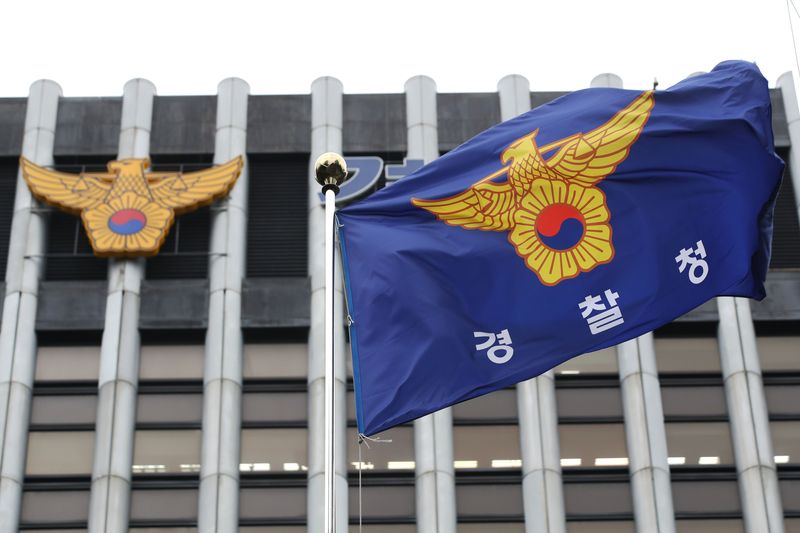
[Financial News] As so-called relationship-based crimes, including stalking and dating violence, continue to rise, the police are moving to strengthen victim protection and on-scene responses. Next year's budget for crime-victim safety measures will increase by more than 30%, while scenario-based training for local police that simulates actual dispatch situations will be introduced for the first time. The move is aimed at strengthening both victim protection and first response, given the high risk that relationship-based crimes can lead to further harm after a report is filed.
Police to strengthen victim protection and first response
According to the Korean National Police Agency's "2027 Performance Plan" released on the 20th, next year's budget for "Crime-Victim Safety Measures Using Intelligent CCTV" has been set at 2.258 billion won. That is an increase of 555 million won, or 32.6%, from this year's 1.703 billion won.A Korean National Police Agency official explained, "The demand for crime-victim safety measures and the number of cases involving the use of Intelligent CCTV have increased every year, so we requested an increase in the budget to reflect this trend."
Intelligent CCTV is one of the safety measures used to prevent further harm to victims of relationship-based crimes, including stalking and dating violence. Even if a case has not been formally filed, the police may implement safety measures following a review if they determine that the victim faces a risk of harm to their life or physical safety.
Because a prior relationship exists between perpetrators and victims in relationship-based crimes, repeated contact or escalating violence may occur even after a report is filed. Experts have therefore stressed the importance of detecting early warning signs, such as repeated reports or violations of restraining orders, and intervening before they develop into serious crimes.
Alongside expanding victim protection, the police will also strengthen their response during the initial dispatch stage. Next year's budget includes a new allocation of 100 million won for "Situation-Based Scenario Training on Relationship-Based Crimes." The training will target local police officers at police substations and police boxes nationwide, who are the first to respond to scenes involving stalking, dating violence, domestic violence and abuse.
A Korean National Police Agency official said, "The need for initial-response training for local police dealing with relationship-based crimes was raised during last year's parliamentary audit and elsewhere. We plan to create training materials based on simulated dispatch scenes and include points that must not be overlooked in the field."
The training materials will be produced as scenario-based modules for different situations and distributed nationwide so local officers can study them during shift changes and other available times. The police are also considering expanding the training to personnel beyond those dispatched to crime scenes.
'Post-incident response' to 'proactive protection'
The police's simultaneous efforts to strengthen victim protection and on-scene training reflect an intent to broaden the response to relationship-based crimes from post-incident investigations to prevention. The agency plans to identify risk signals early, from the initial report and dispatch stages, while strengthening protective measures for high-risk victims.Police leadership has also emphasized the importance of training frontline officers to protect victims of relationship-based crimes. Kim Jongcheol, acting commissioner general of the Korean National Police Agency, said at the first public listening session of the Citizen Participation and On-Site Accompaniment Police Reform Group, held at the agency's headquarters in Seodaemun-gu, Seoul, on the 17th, "Systems are important, but ultimately, the mindset of the person in charge is what matters. We will continue providing training so officers can take care of necessary procedures, such as notifying victims, if only as a matter of courtesy to them."
Meanwhile, the police plan to continue expanding protective measures for crime victims. According to the Korean National Police Agency, the rate at which protection measures were implemented for victims of relationship-based crimes rose from 8.3% in 2023 to 9.3% in 2024 and 10.2% last year. The police aim to raise the rate to 12.3% next year.
[email protected] Lee Dong-hyuk Reporter