A Decade Since Inscription on the United Nations Educational, Scientific and Cultural Organization (UNESCO) List of the Intangible Cultural Heritage of Humanity: Jeju Haenyeo Numbers Fall 46%
- Input
- 2026-09-20 13:55:10
- Updated
- 2026-09-20 13:55:10
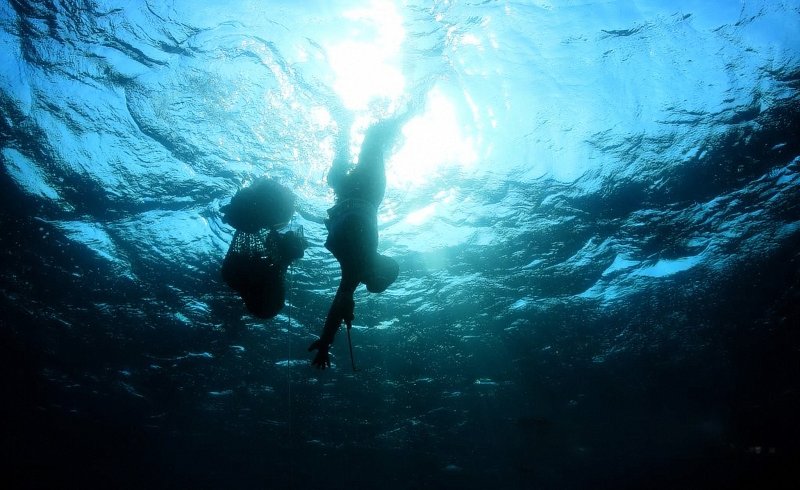
Financial News | Jeju—Reporter Jeong Yong-bok: Jeju haenyeo have declined by nearly half over the past decade as they mark the 10th anniversary of their inscription as UNESCO Intangible Cultural Heritage of Humanity. Although their status as an international cultural heritage has risen, the bearers who continue diving in the sea are rapidly disappearing. Policies to support their livelihoods, safety and the recruitment of new workers have therefore become urgent.
According to Jeju Special Self-Governing Province on the 20th, the number of Jeju haenyeo stood at 2,371 last year, down by 2,006 from 4,377 in 2015. The decline over the 10-year period was 45.8%.
The long-term decline is even more pronounced. The number of Jeju haenyeo fell from 14,143 in 1970 to 5,789 in 2000, 4,377 in 2015, 3,614 in 2020 and 2,371 last year. Over 55 years, the number decreased by 11,772, or 83.2%. The current number of haenyeo is just 16.8% of the 1970 figure.
The pace of decline has also accelerated recently. From 2015 to 2020, the number of haenyeo fell by 763, or 17.4%, over five years. From 2020 to last year, it dropped by 1,243, or 34.4%. Compared with the previous five-year period, the latest decline was 480 people larger.
This stands in contrast to the Culture of Jeju Haenyeo becoming established as a globally recognized cultural heritage.
The Culture of Jeju Haenyeo was inscribed on UNESCO's Representative List of the Intangible Cultural Heritage of Humanity in 2016. Haenyeo were designated National Intangible Heritage in 2017, while the Jeju Haenyeo Fisheries System was added to the Food and Agriculture Organization of the United Nations' list of Globally Important Agricultural Heritage Systems in 2023.
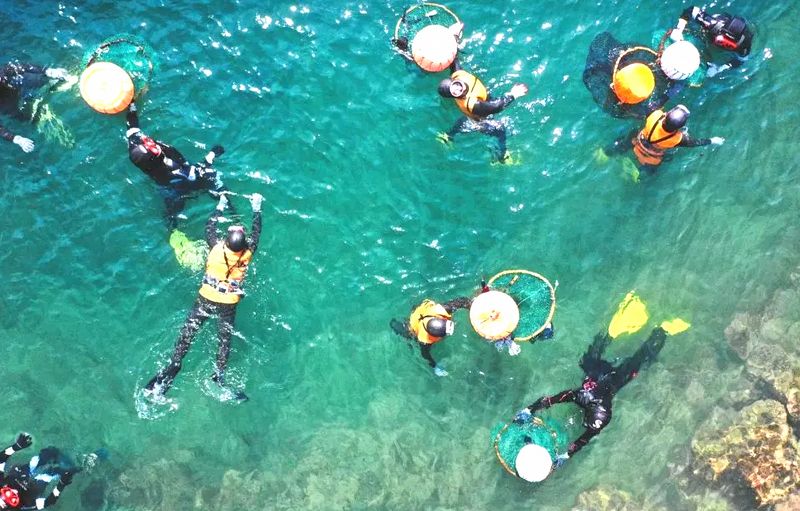
The Culture of Jeju Haenyeo refers to more than the diving techniques used to enter the sea and collect marine products without oxygen-supply equipment. It is regarded as a way of life encompassing knowledge of marine ecosystems, community management of fishing grounds, the transmission of skills through the sanggun, junggun and hagun levels, jamsu gut, haenyeo songs and the Sumbi-Sori breath sound made when divers return to the surface.
International interest is also high. Foreign visitors account for 40% of the 111,587 people who visited the Jeju Haenyeo Museum, establishing Jeju haenyeo as a cultural asset symbolizing Jeju.
In reality, however, the transmission of the heritage cannot be sustained by its reputation alone. If fewer people continue haenyeo diving, the experience of reading the sea, harvesting techniques and the community knowledge passed down within fishing villages could all weaken.
When the Culture of Jeju Haenyeo was inscribed, UNESCO also emphasized the importance of sustainable safeguarding measures, including marine-resource management, improved living conditions for haenyeo, education and research. This is why Jeju Special Self-Governing Province has recently expanded its support beyond cultural preservation to healthcare, income and the restoration of fishing grounds.
This year, Jeju Special Self-Governing Province is investing 6.565 billion won to cover the out-of-pocket costs of outpatient medical care for current and former haenyeo. It is also spending 2.035 billion won to release more than 2.06 million fisheries seed stock, including abalone, red sea cucumbers and obunjagi, into the waters of 88 fishing villages. The two programs have a combined budget of 8.6 billion won.
The province also provides support to stabilize turban shell prices and allowances for elderly haenyeo who remain active in the profession. It is pursuing programs to help new haenyeo settle in, create safer fishing conditions and expand domestic and international exchanges and education to broaden the foundation for transmission.
The key question for these policies is not the size of the support but whether they can actually slow the decline. If the number of new people taking up haenyeo diving is insufficient compared with the pace at which older haenyeo retire, medical and welfare support alone will not be enough to prevent the overall number from falling.
The transmission of the Culture of Jeju Haenyeo ultimately depends on people. The heritage can endure only if the health and incomes of active haenyeo are protected while younger generations are provided with the economic foundation and training system needed to choose haenyeo diving as a profession.
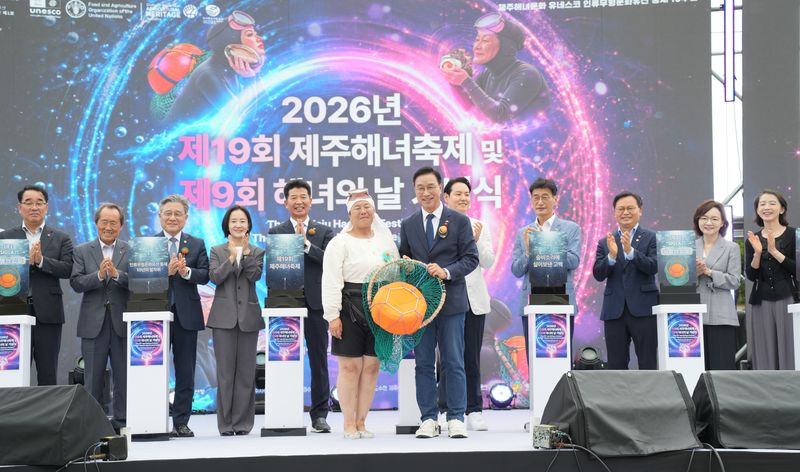
On the 19th, Jeju Special Self-Governing Province held the 19th Jeju Haenyeo Festival and the ninth Haenyeo Day ceremony near the Jeju Haenyeo Museum in Gujwa-eup, Jeju City. About 1,000 people, including haenyeo and haenyeo fishers from Jeju, Gangwon, North Gyeongsang, Ulsan, Busan and South Gyeongsang, attended.
This year's event underscored the importance of intergenerational transmission by featuring performances involving haenyeo and children to mark the 10th anniversary of the Culture of Jeju Haenyeo's inscription as UNESCO Intangible Cultural Heritage of Humanity.
Wi Seong-gon said, "Each time one haenyeo disappears, long-held skills and knowledge, as well as the community's memory, become blurred." He added, "Protecting haenyeo's lives and nurturing new haenyeo is the way to safeguard the future of the Culture of Jeju Haenyeo."
The 19th Jeju Haenyeo Festival will continue through the 20th near the Jeju Haenyeo Museum. A total of 33 programs across five categories, including performances, hands-on activities and exhibitions, are being held.
[email protected] Jeong Yong-bok Reporter