Seoul Museums and Cultural Facilities to Stay Open Until 9 p.m. Five Nights a Week
- Input
- 2026-09-20 13:31:18
- Updated
- 2026-09-20 13:31:18
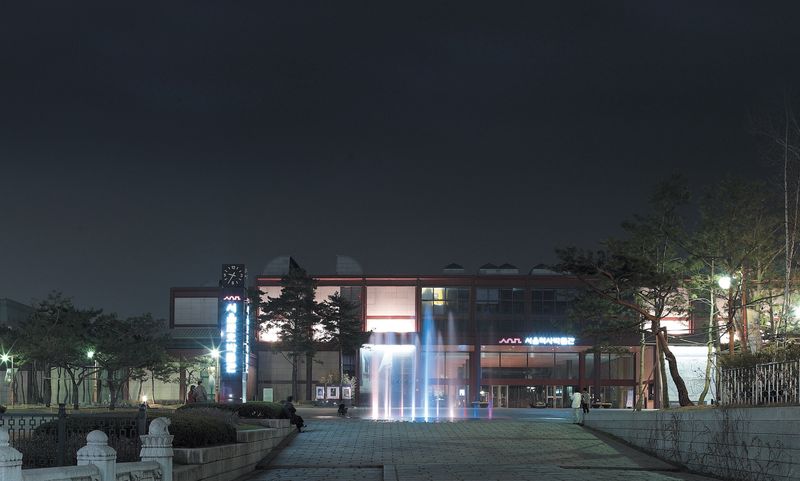
[Financial News] The Seoul Metropolitan Government will expand nighttime access to municipal museums and traditional cultural spaces to five days a week and introduce unique experiences such as yoga, running and history tours. Major cultural facilities will remain open until 9 p.m. so residents can enjoy cultural activities after work, while new uses, including nighttime weddings, are also being pursued. The Seoul Metropolitan Government announced on the 20th that it would fully launch 'Seoul Culture Night.' As the cultural-sector implementation strategy of 'Seoul, a 24-Hour Vibrant Economy City,' announced in August, the initiative aims to transform cultural facilities from spaces used simply for viewing exhibitions into nighttime cultural venues where residents and tourists can stay and enjoy leisure activities in the evening.
From the 15th through November 30, the Seoul Metropolitan Government is expanding nighttime access to major municipal cultural facilities, including the Seoul Museum of History, Seoul Museum of Craft Art (SeMoCA), Seoul Baekje Museum, Unhyeongung Royal Residence, Namsangol Hanok Village, and Stories of King Sejong and Admiral Yi Sun-sin. Nighttime hours, previously concentrated on Fridays, will be extended until 9 p.m. five days a week—Tuesday, Wednesday, Friday, Saturday and Sunday—taking into account each facility's closing days and operating conditions.
SeMoCA will open Exhibition Building 1 and its Information Building at night, while the Seoul Museum of History will open its main building's special and permanent exhibition halls and the City Model Imaging Center. Seoul Baekje Museum will keep its special exhibition hall and information resources room open, and Stories of King Sejong and Admiral Yi Sun-sin will operate its exhibition galleries until 9 p.m.
The Seoul Metropolitan Library will continue operating its reference rooms until 9 p.m. from Tuesday through Friday, as before, while linking them with nighttime reading and culture programs, including the Seoul Outdoor Library and talks by invited authors. The Seoul Museum of Art will also pilot nighttime opening of its museum café until 9 p.m. on the 22nd, 23rd, 29th and 30th, for a total of four sessions.
During nighttime opening hours, each facility will offer experiential programs that highlight its distinctive features. At the Seoul Museum of History, curators will present 'Exhibition Night Tales,' sharing stories behind the displayed artifacts, as well as the 'Midnight History Tour' for families with elementary school students.
SeMoCA will use outdoor spaces such as its craft courtyard and rooftop to offer yoga and meditation programs. From the 9th of next month through November 6, it will also present the 'Museum Night Run' every Friday, starting at the museum and passing through Bukchon and various parts of downtown Seoul.
Seoul Baekje Museum will offer the 'Moonlight Tour of Baekje's Royal Capital,' featuring Mongchontoseong Earthen Fortification and the museum, along with nighttime exhibition tours and museum mission challenges. Starting on the 28th, Namsangol Hanok Village will run a 'Nighttime Escape Room' program in which participants find clues hidden throughout its traditional houses and gardens and solve puzzles.
Nighttime content will also be expanded beyond cultural facilities. Sejong Center will offer backstage tours at night four times between October and December, while the Seoul Foundation for Arts and Culture (SFAC) will present 'After Theater' every Saturday at 10 p.m. in Daehangno, combining music, talks, films and performances. Nighttime tours of Seoul's cultural heritage, including Jeong-dong and Naksan Mountain, will also be offered with guides.
This winter, the Seoul Winter Festa will expand its 'Winter Hibernation Contest' and prepare an outdoor sauna program at Ttukseom Hangang Park, where participants can enjoy Seoul's winter nighttime views along the Han River.
The Seoul Metropolitan Government will also gradually introduce small-scale nighttime weddings using outdoor courtyards, lobbies and traditional houses at municipal museums and traditional cultural spaces. It plans to determine the operating areas, number of events and capacity at each facility while taking into account the safety of artworks and artifacts and visitor flow.
In addition, the Seoul Metropolitan Government plans to analyze visitor numbers, program participation rates and resident satisfaction at each facility during the nighttime opening period, then refine the scope of operations. It will also strengthen connections so that visits to cultural facilities lead to greater use of nearby restaurants, cafés and other local businesses.
Min Su-hong, head of the Seoul Metropolitan Government's Culture Headquarters, said, "Seoul Culture Night is a policy that goes beyond keeping the doors of cultural facilities open late. It is designed to ensure that residents can routinely enjoy culture, relaxation and a variety of experiences even after work." He added, "We will continue expanding nighttime content tailored to the evening so that people can enjoy Seoul's nights even more fully."
[email protected] Sung Cho-rong Reporter