Strait of Hormuz Open, Iran Blocked... United States: "1 Billion Barrels of Crude Oil Passed Through, 0 from Iran"
- Input
- 2026-09-20 11:35:02
- Updated
- 2026-09-20 11:35:02
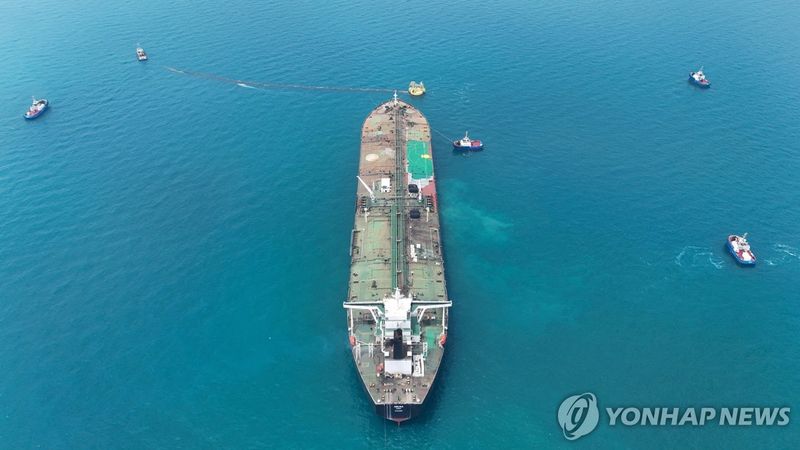
On the 19th, local time, Brad Cooper, commander of United States Central Command (CENTCOM), said in a video posted on X, "The U.S. military has supported more than 2,000 merchant-vessel transits through the Strait and reached an important milestone in the process." He added that more than 1 billion barrels of crude oil had been transported through the Strait of Hormuz in recent months.
The Strait of Hormuz is a key energy route through which approximately 20% of the world's seaborne crude oil shipments pass. Iran blockaded the Strait on February 28, immediately after attacks by the United States and Israel.
Since then, shipping volumes have begun to recover as the U.S. military started clearing mines from key shipping lanes and assisting merchant-vessel transits. Commander Cooper said, "Over the past two weeks, the volumes of crude oil, cargo, and liquefied natural gas (LNG) have been higher than at any point in the past six months."
The U.S. military is working with the six member states of the Gulf Cooperation Council (GCC), relevant United States government agencies, and insurance and shipping companies to increase traffic through the Strait of Hormuz. Commander Cooper emphasized, "The Strait of Hormuz and the surrounding waters remain open and safe."
The United States, however, is pursuing the opposite strategy toward Iran. On orders from Donald Trump, president of the United States, the U.S. military has imposed a maritime blockade to stop vessels from entering and leaving Iranian ports.
Commander Cooper claimed, "Under our ironclad blockade, Iran's crude oil exports are 0 barrels." The United States is operating support for merchant-vessel transits through the Strait of Hormuz and the maritime blockade of Iranian ports as separate operations. The strategy supports the recovery of traffic along a global energy route while blocking Iran's crude oil exports.
Despite the U.S. military's recent announcement that traffic through the Strait of Hormuz is increasing, total traffic has reportedly not returned to prewar levels. The pace of the Strait's recovery and disruptions to Iranian crude oil supplies are expected to be key factors affecting global oil prices and maritime freight rates.
[email protected] Kim Hyun-jung Reporter