U.S.-China Summit Follows UN General Assembly in Global Diplomacy 'Superweek'
- Input
- 2026-09-20 10:07:08
- Updated
- 2026-09-20 10:07:08
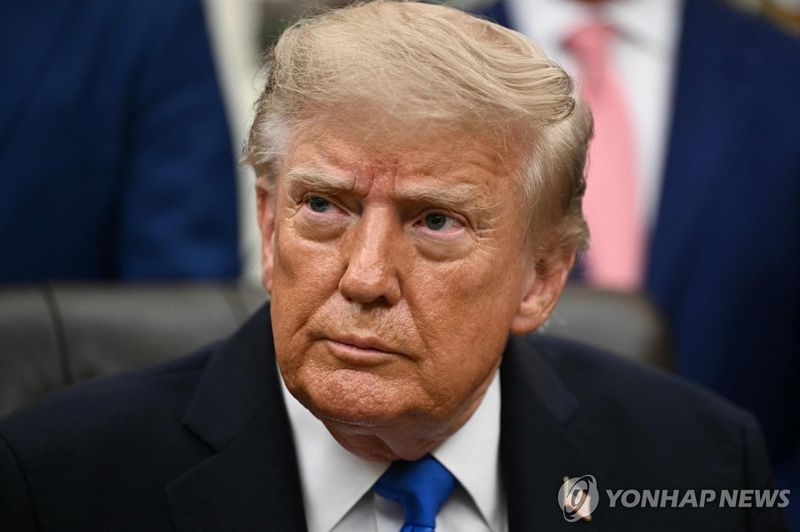
According to foreign media reports and other sources on the 20th, the general debate of the 81st United Nations General Assembly will begin in New York on the 22nd local time. The greatest attention is focused on what President Donald Trump will say as he takes the podium on the first day.
The biggest issue is an exit strategy for the Iran war. As the prolonged war has been compounded by Houthi attacks, logistics disruptions have spread from the Strait of Hormuz to the Red Sea. With rising oil prices pushing U.S. inflation higher again, the key question is whether President Donald Trump will present a concrete plan to end the war.
On the 23rd, Iranian President Masoud Pezeshkian will take the podium at the United Nations General Assembly. His response to Donald Trump's message is expected to offer clues about the direction of the war, which has continued for seven months.
A message on North Korea is another variable. Donald Trump has expressed his willingness to resume dialogue with North Korean leader Kim Jong Un, and attention is focused on whether he will present concrete incentives on the official UN stage. North Korea's Vice Foreign Minister Kim Son-gyong is expected to deliver a speech on the 28th.
Before the excitement of the UN General Assembly has even subsided, the world's attention will shift to Washington. Xi Jinping will visit Washington, D.C., on the 23rd and hold a summit with Donald Trump at the White House on the 24th. It will be Xi Jinping's first visit to the White House in 11 years.
The first test for the summit is whether to extend the U.S.-China "trade truce," which expires in November. The two countries are currently suspending the imposition of high tariffs on each other. Along with an extension of the truce, Donald Trump is expected to demand tangible results, including increased Chinese purchases of U.S. agricultural products and aircraft and expanded Chinese exports of rare earths and critical minerals.
Taiwan is the biggest flashpoint. China hopes the United States will send a message indicating that it is taking a step back from its previous position on Taiwan. A single phrase exchanged between the United States and China could affect not only their military and diplomatic relations but also semiconductor supply chains.
AI has also emerged as a new central agenda item for the summit. As both countries view advanced AI technology as central to their struggle for technological dominance, attention is focused on whether they can agree on minimum safeguards to prevent uncontrollable AI development. The key question is whether they can establish "guardrails" to prevent a clash while continuing their technological rivalry.
China's role in the issues involving Iran and North Korea may also be discussed. The United States hopes China will exercise its influence over Iran while cooperating in the resumption of U.S.-North Korea dialogue.
[email protected] Kim Hyun-jeong Reporter