The Paradox of the Semiconductor Boom: Jobs Rise 15%, but New Hires Fall 22%
- Input
- 2026-09-20 09:58:27
- Updated
- 2026-09-20 09:58:27
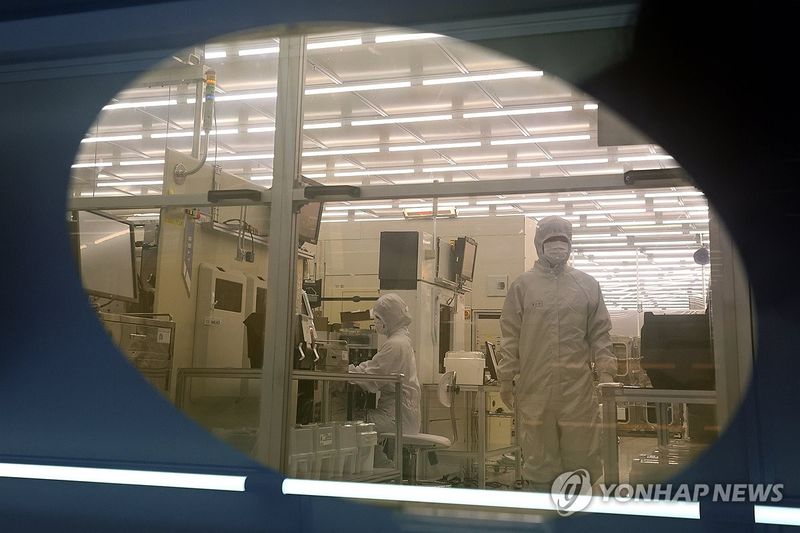
According to the Ministry of Data and Statistics and the Korean Statistical Information Service (KOSIS) on the 20th, the number of wage-and-salary jobs in semiconductor manufacturing stood at 174,000 in the first quarter of this year, up 22,000, or 14.5%, from 152,000 in the first quarter of 2018. This was the highest figure since the relevant statistics began being compiled.
The increase in semiconductor jobs was particularly notable compared with the overall manufacturing sector, where jobs rose 1.6% from 4.226 million to 4.294 million over the same period.
A closer look, however, reveals a different picture. Continuing jobs held by existing workers reached a record 146,000 in the first quarter of this year. Existing workers accounted for 83.9% of all semiconductor jobs.
By contrast, newly filled jobs created to replace retirees and job changers or through the establishment and expansion of businesses totaled just 29,000. That was down 21.6% from 37,000 in the first quarter of 2018. The share of newly filled jobs among all jobs also fell from 24.3% to 16.7% over the same period, a decline of 7.6 percentage points. The figure was below the 17.6% share of newly filled jobs across all manufacturing industries this year.
In particular, the number of new jobs created purely through the establishment and expansion of companies fell 25%, from 20,000 to 15,000. This indicates that the gap between the semiconductor industry's growth and its job-creation capacity is widening.
The semiconductor industry's high capital intensity is cited as a key reason. According to the Bank of Korea (BOK), the industry's employment inducement coefficient was 2.4 people in 2023, less than one-third of the overall industry average of 8.2. It was also about half the manufacturing average of 5.1. This means that even when production and investment increase significantly, the industry's structure makes it difficult for employment to keep pace.
The Hyundai Research Institute (HRI) also stated in a report released in June, "The semiconductor industry has a limited employment-inducement effect because of its high capital intensity, and it accounts for a small share of total employment," adding, "The channels through which a semiconductor boom feeds back into employment and income are weak."
[email protected] Kim Hyun-jung Reporter