"Typeface Design Filing Burden to Ease... Korean Designated Characters Cut from 500 to 209"
- Input
- 2026-09-20 12:00:00
- Updated
- 2026-09-20 12:00:00
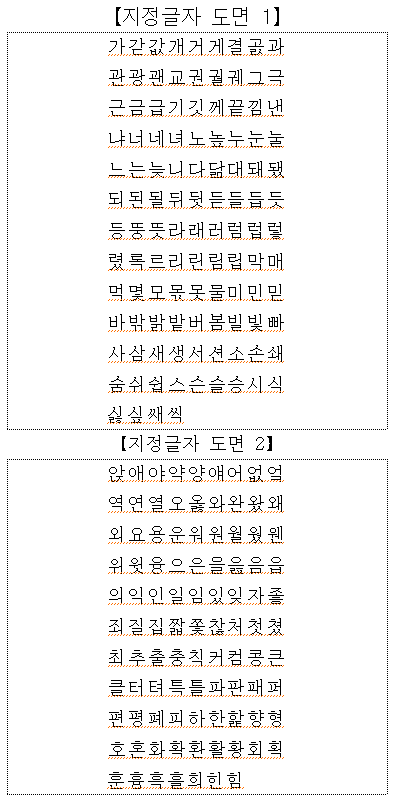
The Ministry of Intellectual Property announced on the 20th that it would pre-announce a proposed partial amendment to the Enforcement Rule of the Design Protection Act from the 21st of this month through November 2. The amendment would eliminate more than half of the designated characters and drawings required when filing a typeface design and reduce errors during the submission of three-dimensional (3D) drawings.
At present, applicants filing a Korean typeface design must submit five drawings containing 500 designated characters, while designs involving Chinese characters require nine drawings containing 900 characters. However, critics have repeatedly pointed out that the burden of preparing drawings is excessive because some character structures are duplicated and the number of characters is unnecessarily large. Despite a sharp increase in font development and rights-registration efforts by individual designers and small and midsize typeface manufacturers amid the growth of the digital content market, the complicated and excessive filing-document requirements have been cited as a barrier to new entrants.
Under the proposed amendment, duplicate elements have been substantially removed while preserving the core structures needed to identify the typeface's formative characteristics. As a result, the number of designated Korean characters will be cut from 500 to 209, and the number of submitted drawings from five to two. For Chinese characters, the number of designated characters will fall from 900 to 310, while the number of drawings will drop from nine to two.
In addition, to prevent applicants from being disadvantaged when designs fail to open or become distorted in examination viewers because of compatibility issues during the submission of 3D modeling files (3D drawings), the ministry will strengthen guidance on procedures for checking in advance whether the designs are rendered properly and using alternatives such as two-dimensional (2D) drawings.
The regulatory easing is expected to significantly reduce the time and financial costs faced by typeface developers and promote creative activity across the domestic typeface industry.
Nam Young-taek, head of the Trademark and Design Examination Bureau at the Ministry of Intellectual Property, said, "This procedural simplification will significantly reduce the burden on applicants preparing drawings." He added, "We will continue to lower the barriers to securing design rights by more actively reflecting the voices of those working in the field."
[email protected] Kim Won-jun Reporter