122 Times the Airport, 40 kg Along the Coast... Jeju Faces Triple Drug Threat: Inflow, Transit and Exposure
- Input
- 2026-09-20 08:41:34
- Updated
- 2026-09-20 08:41:34
【FINANCIAL NEWS, JEJU—Reporter Jeong Yong-bok】 Cases of drugs being brought into Jeju from overseas have continued, while a group that tried to distribute drugs to the Seoul metropolitan area via Jeju was also uncovered. Drug packages weighing 1 kg each have been repeatedly found along the coast, and Jeju recorded the highest growth rate in drug-related offenders nationwide. Overseas inflows through the airport, attempts to redistribute drugs to other regions, exposure in areas frequented by residents and tourists, and the rise in local drug crimes are occurring simultaneously through separate routes.
According to the Korea Customs Service, the Supreme Prosecutors' Office of the Republic of Korea (SPO), the Jeju Provincial Police Agency and the Jeju Regional Headquarters, Korea Coast Guard on the 20th, seven drug-related cases involving 15.978 kg of substances were detected at Jeju International Airport in 2025. Compared with two cases involving 131 g in 2024, the number of cases increased 3.5-fold and the weight rose approximately 122-fold.
That same year, 623 drug-related cases involving 279.455 kg of substances were detected at airports nationwide. Jeju International Airport accounted for about 1.1% of all cases but 5.7% of the total weight. This means the amount brought in at one time was relatively large compared with the number of detections.
Drug detections at airports nationwide are also rising rapidly. The number increased 5.6-fold in three years, from 112 cases in 2022 to 623 in 2025. This year, 509 cases involving 174.734 kg had been detected through June.
The Korea Customs Service reported that 767 cases involving 1,007 kg of drugs were detected at the border during the first half of this year, including at airports, ports, through international mail and in express cargo. The number of cases rose 24% from the same period last year, while drug smuggling intended for entry into the country reached a record-high level for a first half.
■ 15.978 kg at Jeju International Airport... From an “entry gateway” to attempted distribution in the Seoul metropolitan area
A group that tried to distribute drugs brought into Jeju to Seoul and the surrounding metropolitan area was also uncovered.
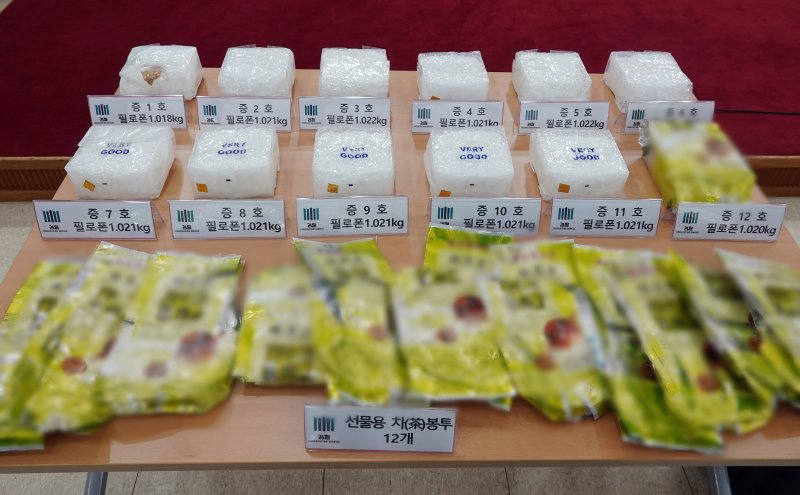
On October 24, 2025, a Chinese man in his 30s, identified as A, entered Jeju International Airport after departing from Thailand and transiting through Singapore. He had concealed 1,131 g of methamphetamine, disguised as tea packages, in a travel bag.
The drugs were worth approximately 790 million won and represented an amount sufficient for about 40,000 people, based on a typical single dose of 0.03 g.
A stayed at a hotel in Jocheon-eup, Jeju City, and used social media to recruit someone to transport the package to Seoul. The crime came to light when a Korean man in his 20s, who had received the bag in exchange for 300,000 won, suspected that its contents were explosives and reported it to police.
The Jeju Provincial Police Agency expanded its investigation to Seoul and the surrounding metropolitan area, arresting 12 members of a Chinese-linked organization and drug users involved in smuggling, supplying, selling and using the drugs. Seven of them were detained. Police also seized an additional 50 g of methamphetamine while arresting a distributor, bringing the total amount seized to 1,181 g.
The case showed through an actual investigation that drugs brought into Jeju were not merely consumed on the island; a distribution structure had been established to send them to Seoul and other regions.
A was sentenced to five years in prison at an appellate trial in June. The appellate court determined that A had at least tacitly recognized that the bag contained drugs.
Another large-scale shipment was detected at Jeju International Airport. A Malaysian man in his 40s was indicted on charges of bringing a travel bag containing approximately 2.12 kg of methamphetamine into Jeju International Airport in February 2025 after departing from Cambodia and transiting through China.
The methamphetamine was hidden in shoe soles, bed sheets and snacks. It was an amount sufficient for approximately 76,000 people.
The Jeju District Court acquitted the defendant at the first trial in August, saying it was difficult to conclude from the evidence submitted by prosecutors alone that he knew methamphetamine was inside the bag. Prosecutors appealed the ruling.
Regardless of the trial outcome, the fact that more than 2 kg of methamphetamine traveled to Jeju International Airport on an international flight and was detected during the entry process highlights the risks at the airport border.
Large-scale drug smuggling through Jeju International Airport had occurred before. In 2024, two Malaysian nationals were each sentenced to 10 years in prison at the appellate trial for bringing enough methamphetamine for approximately 400,000 people into the country in their luggage.
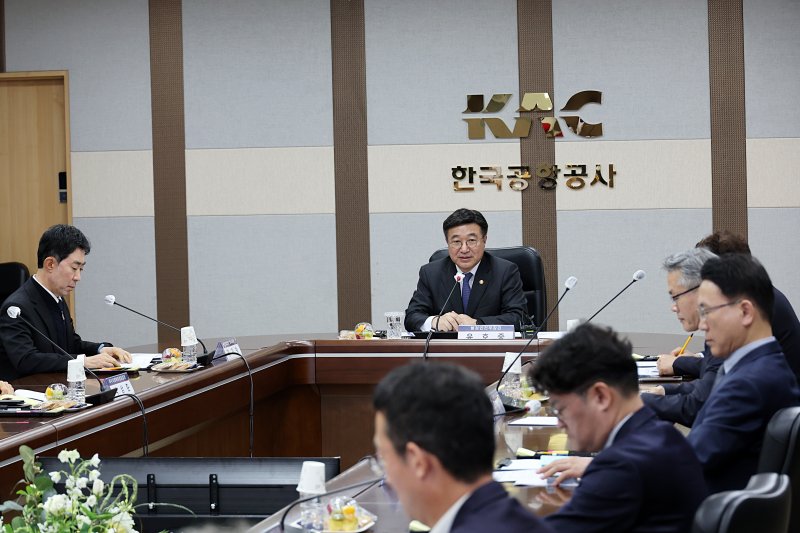
Yun Ho-jung, minister of the Ministry of the Interior and Safety, also visited Jeju International Airport on March 30 to inspect efforts to block the distribution of illegal drugs from overseas. Yun urged relevant agencies, including the Jeju Provincial Police Agency, the Jeju Regional Headquarters, Korea Coast Guard and Jeju Customs, to respond thoroughly so that Jeju would not become a transit point for overseas drug distribution.
The underlying assessment is that, because Jeju International Airport serves as an international gateway, authorities must block both the entry of drugs from overseas and the possibility of their redistribution within the country.
■ About 40 kg of drugs found along the coast and drug offenders up 31.4%... Responding in areas where people live is also a challenge
Separately from the air routes, large quantities of drugs have continued to be found along the Jeju coast over an extended period.
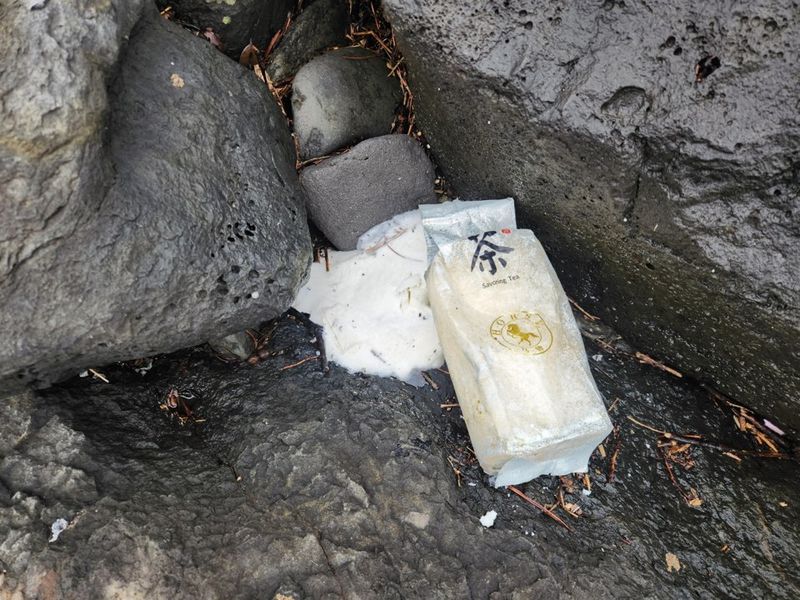
On the morning of the 17th, a marine-environment monitor conducting a cleanup operation found an object resembling a silver tea package at Gwangchigi Beach in Seongsan-eup, Seogwipo City.
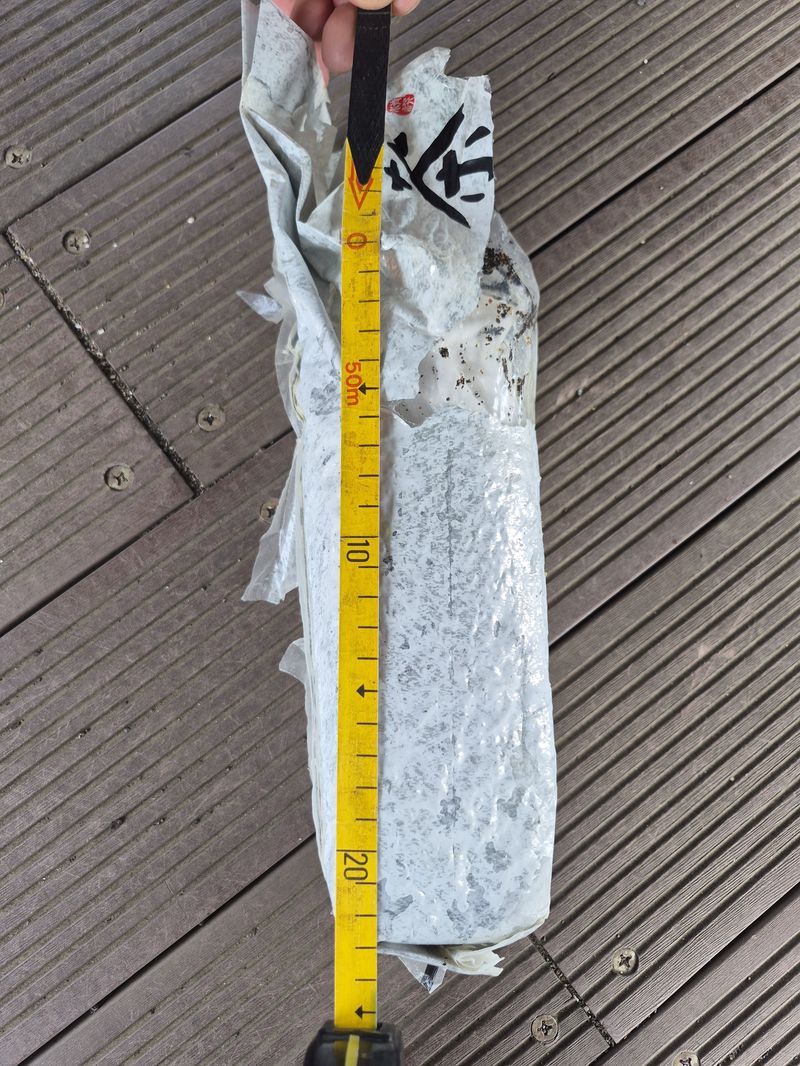
It weighed approximately 1 kg. A rapid test by the coast guard came back positive for Ketamine, a psychotropic drug. A detailed analysis is also under way to identify the exact substance.
Since September 29 last year, narcotics in the same type of packaging have been found 23 times along the Jeju coast.
A total of 42 packages were found in various parts of the island, including Jeju Port, Aewol, Jocheon, Gujwa, Yongdam Port, Udo, Seongsan and Hwasun in Seogwipo. Most weighed approximately 1 kg each. Two were found with their contents missing, leaving an estimated total of about 40 kg of drugs actually recovered.
The Jeju Regional Headquarters, Korea Coast Guard and Taiwanese investigative authorities have analyzed the packaging, substances and ocean currents. They consider it increasingly likely that some of the drugs lost at sea off western Taiwan in July 2025 drifted to Jeju on ocean currents. Drugs in similar packaging were also found near Pohang, North Gyeongsang Province, and Japan’s Tsushima Island.
No evidence has been found so far that a drug organization targeted Jeju and dumped the packages at sea. However, the repeated discovery of 1-kg drug packages on beaches and at ports visited by residents and tourists has itself emerged as a new public-safety concern. That is why the coast guard advises people not to open or touch similar objects and to report them immediately if they are found.
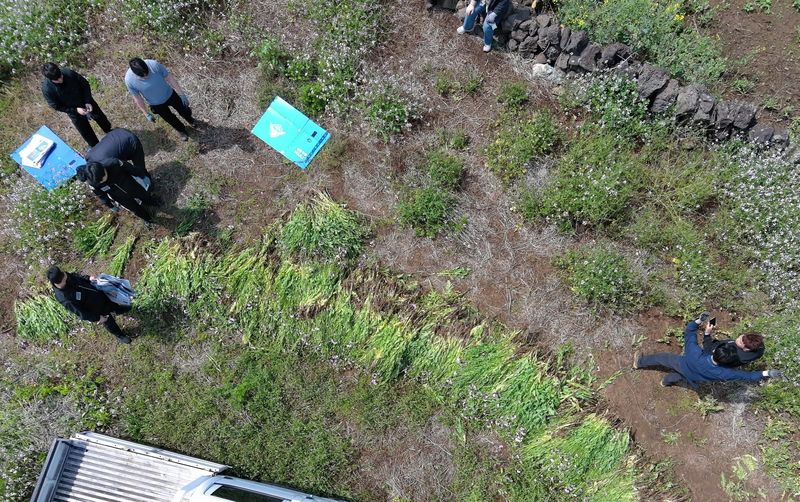
Indicators of local drug crime have also worsened. According to the 2025 White Paper on Drug Crimes published by the Supreme Prosecutors' Office of the Republic of Korea, 205 drug offenders were caught in Jeju last year. That was an increase of 49, or 31.4%, from 156 in 2024. The growth rate was the highest among the country’s 17 cities and provinces.
Nationwide, the number of drug offenders rose 1.7% during the same period, from 23,022 to 23,403. Jeju’s growth rate far exceeded the national increase.
The nature of drug crime is also changing nationwide. The number of drug-smuggling offenders reached 1,772 last year, up 57.4% from the previous year and the highest since the related statistics began to be compiled.
Drug offenders aged 30 or younger numbered 14,573, accounting for 62.3% of the total, while the number of teenagers reached 674. The spread of non-face-to-face transactions through the dark web, Telegram and social media has been identified as one factor increasing young people’s access to drugs.
As warning signs related to drugs continue to emerge at the airport, along the coast and in local communities, the perception of Jeju as a “drug-free zone” is also being shaken.
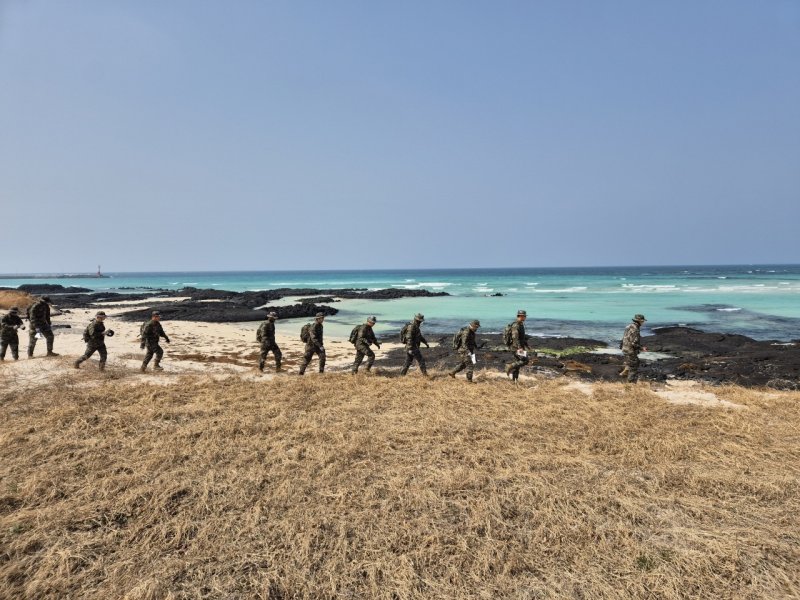
Large-scale smuggling cases have repeatedly occurred at the international airport, and a group that tried to move drugs to Seoul and the surrounding metropolitan area via Jeju was also uncovered. An estimated 40 kg of Ketamine-like substances was found along the coast, while Jeju recorded the highest growth rate in drug offenders nationwide.
The response is also expanding from border controls to local prevention and treatment. Authorities need an integrated system linking border controls at airports and ports, efforts to track domestic distribution organizations, the recovery of drugs washed ashore, investigations into online transactions, drug-prevention education for young people, and addiction treatment and rehabilitation.
The Jeju Provincial Office of Education also held the “2026 Drug Prevention Empathy Festival” on the 18th at the Jeju Student Culture Center for students, parents and school staff. Relevant organizations, including a police drug investigation unit, the Korean Association Against Drug Abuse (KAADA) Jeju Hamkkehan Georeum Center and the Jeju Integrated Addiction Management Support Center, took part in the event, which included a joint declaration against drugs, an expert talk concert and hands-on prevention programs.
Jeju’s drug problem can no longer be addressed solely by cracking down on users within the province. A joint response network involving relevant agencies is increasingly needed to manage overseas smuggling, domestic redistribution, exposure in coastal areas where people live, and local consumption and use all at once.
[email protected] Jeong Yong-bok Reporter