"You Might as Well Sleep at Our House": Indian Expats Erupt Over "Container Hell" [Nagoya AG]
- Input
- 2026-09-20 06:00:00
- Updated
- 2026-09-20 06:00:00
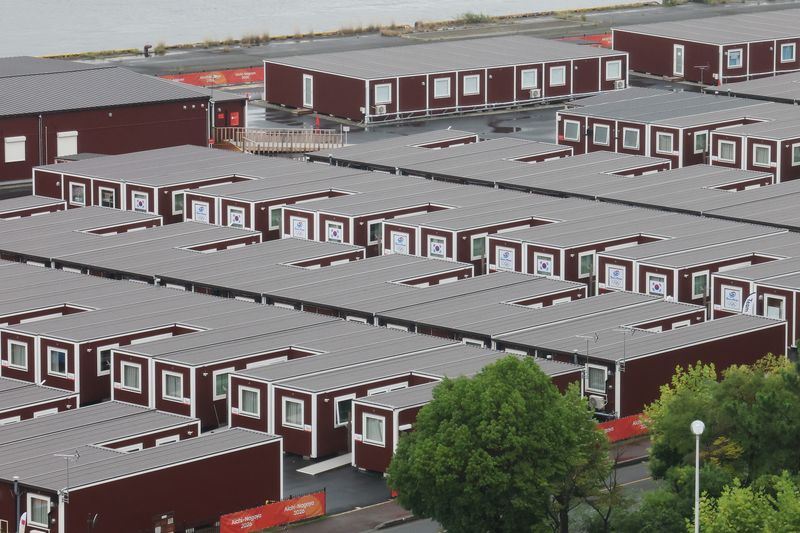
[Financial News] The accommodation crisis at the 2026 Aichi-Nagoya Asian Games has escalated into an unprecedented "homestay" situation involving local expatriate residents. The poor conditions in the temporary container accommodations provided by the organizing committee in the name of cost-cutting have prompted local Indian residents to roll up their sleeves and help athletes from their home country, creating an international farce.
According to a report by Agence France-Presse (AFP) on the 19th, India's delegation, which has sent about 500 athletes, has completed preparations to use local Indian households as temporary accommodations in response to shortages and poor facilities at the Games.
Accommodation for the Nagoya Asian Games became the center of fierce controversy even before the opening. The organizing committee abandoned plans to build an official athletes' village, which would have required an astronomical budget, and instead assigned existing hotels, a cruise ship at Nagoya Port, and facilities converted from temporary containers. As the Games approach, complaints from delegations around the world have surged over the cramped container spaces, frequent equipment failures, and grueling journeys of up to two hours to the venues.
The Korean delegation was also hit hard. Among officials, the dominant assessment of the accommodation conditions at these Games is that they are "the worst ever." With several athletes packed into cramped containers, their physical-condition management was seriously affected, prompting the Korean Sport & Olympic Committee (KSOC) to hastily move some athletes to local hotels.
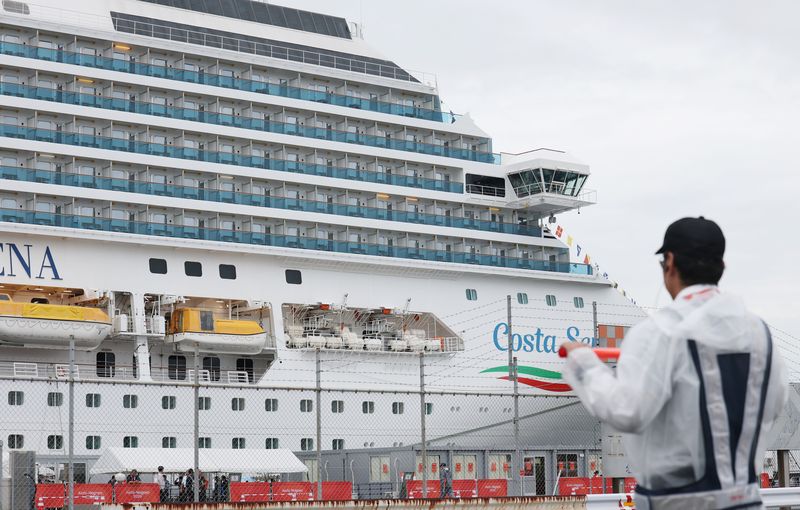
The situation facing India's delegation is even more desperate. Some athletes have already been moved from containers to hotels, but as a contingency in case hotel rooms also run out, the delegation has resorted to the desperate measure of lodging athletes with local Indian families. Sahdev Yadav, head of India's delegation, said, "We have booked hotels, but if rooms become scarce, Indian families living here are waiting to take in the athletes. Everyone has volunteered to open their homes." This emergency plan was arranged after the Embassy of India in Japan contacted about 2,000 Indian households in the Nagoya area.
Despite worldwide criticism and the disruption, Japan's organizing committee remains adamant. It maintains that the accommodations currently being provided are safe, inexpensive, and adequate for daily living. It has even asked people to view Japan's decision not to build a new athletes' village as a positive cost-saving model, suggesting that the gap between the committee and the national delegations is unlikely to narrow.
[email protected] Jeon Sang-il Reporter