They Even Scooped Up KTX-Sancheon and Super Rapid Train (SRT) Tickets: 157 Scalpers Arrested Ahead of Chuseok
- Input
- 2026-09-20 09:00:00
- Updated
- 2026-09-20 09:00:00
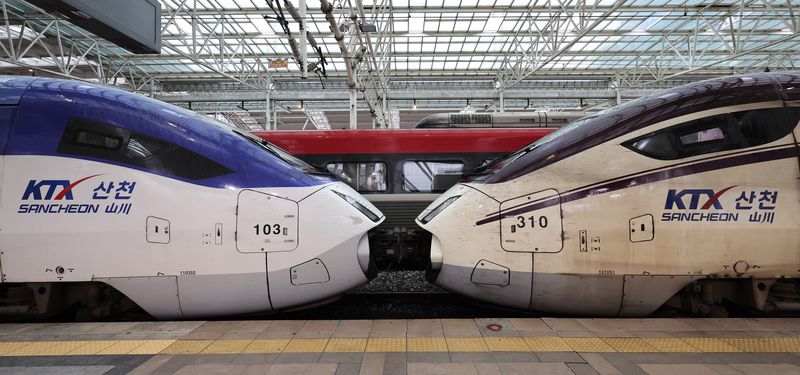
[Financial News] With the Chuseok holiday break just four days away, police have uncovered ticket scalping in which perpetrators used macro programs to secure large numbers of KTX-Sancheon and SRT tickets before reselling them at a premium. A professional scalper who resold 2.4 billion won worth of concert tickets over eight years was also caught.
The National Office of Investigation said on September 20 that it had conducted a six-month crackdown on ticket scalping using macro programs and other methods from March 3 through August 31 as part of a special campaign against crimes disrupting people's livelihoods and prices. Police uncovered 126 cases and arrested 157 people, including two who were detained. They also took pre-indictment measures to preserve approximately 2 billion won in criminal proceeds for confiscation and collection.
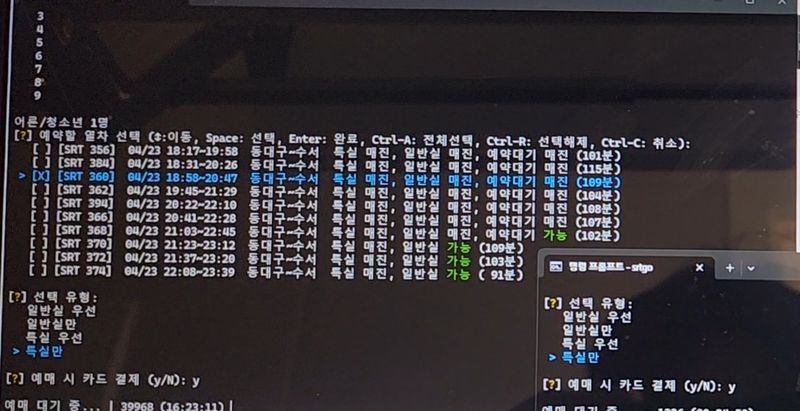
In particular, police confirmed cases involving the bulk purchase and resale of train tickets. The Seoul Metropolitan Police Agency and Gyeonggi Nambu Provincial Police Agency arrested a scalper who used macro programs and other methods to secure large numbers of KTX-Sancheon and SRT tickets, then resold more than 4,000 of them through an intermediary platform over one year and seven months.
Some cases in the performance sector involved scalping worth tens of billions of won. The Gyeonggi Bukbu Provincial Police Agency arrested and detained a professional scalper who used macro programs and other people's accounts to obtain large numbers of concert tickets, then resold 2.4 billion won worth through an intermediary platform over eight years. The court approved pre-indictment preservation of approximately 1.2 billion won for collection.
The Ulsan Metropolitan Police Agency also detained a scalper who used the same method to secure large numbers of performance tickets and resold 800 million won worth over approximately 11 months. The court approved pre-indictment preservation of approximately 400 million won for collection.
There were also cases involving the bulk purchase and resale of professional baseball and performance tickets. The Gyeonggi Nambu Provincial Police Agency arrested 35 people, including a scalper who used macros and direct links to book 6,019 baseball and performance tickets, then sold them at a premium and made approximately 390 million won in illicit profits.
The results of this crackdown were significantly greater than those of the intensive crackdown on online scalping involving macro programs conducted from July 15 through December 31 last year. The number of cases and people arrested rose from 21 and 26, respectively, to 126 and 157, an increase of approximately sixfold in both categories.
By category, performances such as concerts accounted for the largest number of cases, at 61, followed by sports such as baseball with 50, train and other transportation tickets with eight, and other cases with seven. The number of people arrested was 73 in the performance sector, 64 in sports, 11 in ticket sales, and nine in other cases. By age group, people in their 30s accounted for the largest share, with 68 people, or 43.3% of the total. They were followed by people in their 20s with 53, or 33.8%; those in their 40s with 31, or 19.7%; and those aged 50 or older with five, or 3.2%.
Police are cracking down on professional scalpers who exploit macro programs, following the expanded scope of punishment under the revised Public Performance Act and National Sports Promotion Act, which took effect on the 28th of last month. Investigators monitor online listings and track the crimes by analyzing booking and sales records.
During the investigations, police shared information on security vulnerabilities in booking systems and the methods used in the crimes with relevant ticketing platforms, railway operators, and card companies. The measure is intended to use the crackdown results to improve their systems and prevent the same methods from being used again.
The police are also cooperating with the Ministry of Culture, Sports and Tourism (MCST) to prevent ticket scalping. They are distributing educational videos and posters while asking ticketing platforms and secondhand trading platforms to post notices on voluntary anti-scalping measures and warnings about fraudulent transactions.
Manuals outlining the key provisions of the revised Public Performance Act and National Sports Promotion Act, as well as procedures for handling cases, have also been distributed to frontline officers. In cooperation with major ticketing platforms such as Nol Universe, NHN Link, and YES24, police are strengthening their enforcement capabilities by improving investigators' understanding of how macro programs operate and related investigative techniques.
The police will continue the special crackdown through October 31. Based on a cooperative system established with reporting agencies designated by the MCST, they plan to swiftly turn submitted reports into investigations and share with major ticketing platforms the information needed to detect and block macro programs.
Hong Seok-gi, chief of the National Office of Investigation, said, "Bulk ticket purchases and scalping using macro programs deprive the public of fair opportunities to buy tickets. Ahead of Chuseok, we will respond firmly to ticket scalping, including the resale of train tickets, and thoroughly track criminal proceeds."
[email protected] Kim Ye-ji Reporter