ROK-U.S. Host Korea-U.S. Integrated Defense Dialogue (KIDD) in Busan, Accelerating 'Alliance Modernization': "Strengthening All-Out Solidarity Across Shipbuilding and Aviation MRO"
- Input
- 2026-09-19 12:09:32
- Updated
- 2026-09-19 12:09:32
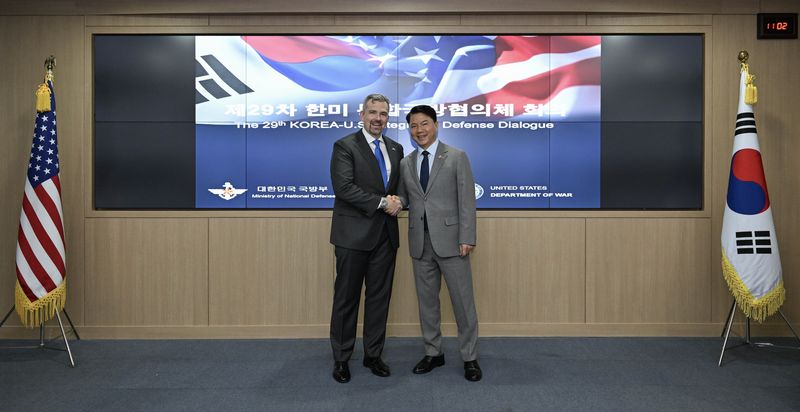
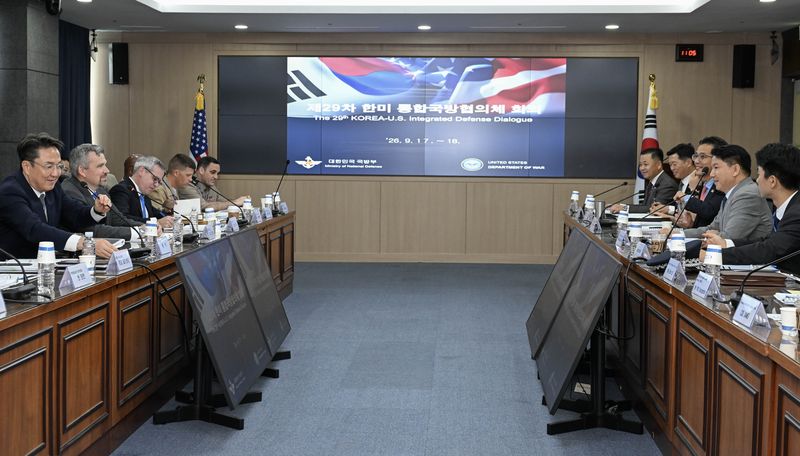
The 29th Korea-U.S. Integrated Defense Dialogue (KIDD) meeting took place with a large number of key officials from both countries' defense and foreign affairs sectors in attendance, led by Kim Hong-chul, Director General for Defense Policy at the Ministry of National Defense, Republic of Korea, and George LeMeur, Deputy Assistant Secretary for East Asian Affairs at the United States Department of War, serving as the chief representatives. The two sides compared the progress of the defense guidelines outlined in the Joint Fact Sheet agreed upon by the ROK-U.S. presidents last year with the follow-up measures specified in the Joint Statement of the 57th ROK-US Security Consultative Meeting (SCM), and quantitatively evaluated tactical achievements.
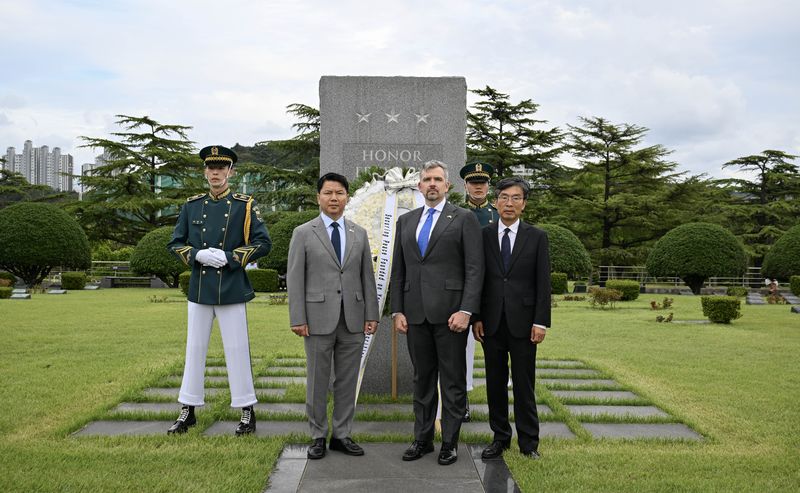
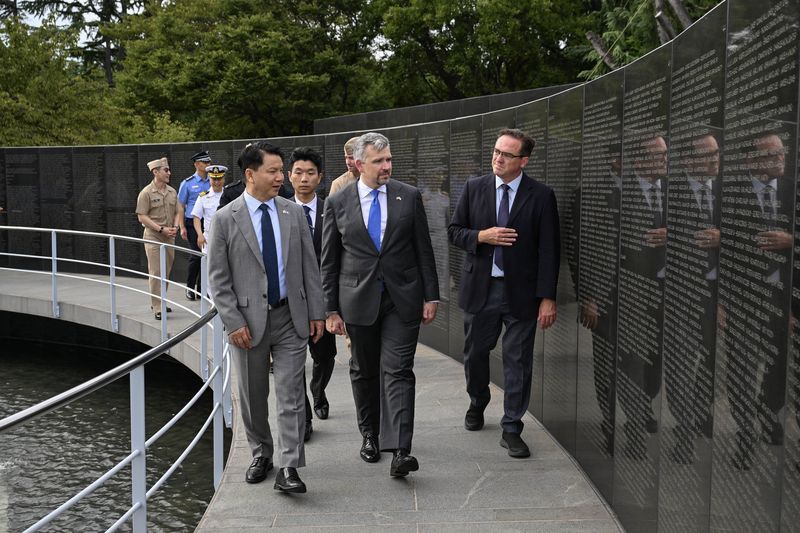
In particular, regarding the condition-based transfer of wartime operational control, which has drawn significant attention both within and outside the military, they deeply evaluated the tactical efforts pursued by the military authorities of both countries. Both sides pledged to further strengthen mutual cooperation and verification systems to accelerate the future transfer of wartime operational control in a more substantial and stable manner, in order to modernize the ROK-U.S. Alliance amidst a changing battlefield environment.■ Strengthening MRO cooperation in the shipbuilding and aviation sectors and accompanying defense industry sitesThe most tangible outcome of the Busan meeting was the consolidation of advanced defense infrastructure encompassing land, sea, and air. Both the ROK and the U.S. agreed to further strengthen cooperation in Maintenance, Repair, and Overhaul (MRO) within the shipbuilding and aviation sectors, which have recently garnered attention in conjunction with the drive to maintain U.S. Navy assets locally in Korea. To this end, delegations from both countries visited key domestic defense sites, where large shipyards are concentrated, during the meeting to enhance their mutual understanding of defense issues.
Previously, the government announced the '2026 Economic Growth Strategy' last January, stating its plan to complete the establishment of naval vessel MRO clusters by 2030 by creating them in domestic shipbuilding hubs and supporting participation in Make American Shipbuilding Great Again (MASGA) projects, such as establishing a shipbuilding cooperation center with the U.S. The KIDD delegation's visit to the defense industry site in Busan is expected to lead to tangible results in the diversification of the defense supply chain, aligning with the government's vision for building infrastructure for shipbuilding cooperation with the U.S.■ Former USFK Commanders Express Their Stance on the Transfer of Wartime Operational ControlMeanwhile, coinciding with the timing of the outcome of the KIDD meeting, concerns were also raised regarding the rush to accelerate the transfer of wartime operational control (OPCON). On the 18th, the day before, former USFK Commander Burwell B. Bell III, who attended the Alliance Commanders Forum jointly hosted by the ROK-U.S. Alliance Foundation and the USFK Veterans Association, pointed out the realistic security landscape characterized by the advancement of North Korea's operational nuclear capabilities. He expressed his conviction to permanently withdraw his previous stance of actively supporting the transfer of OPCON. Former Commander Bell reiterated that a nation controlling nuclear weapons must produce the Combined Forces Commander to strengthen security deterrence.
In addition, retired South Korean military leaders present at the forum, including former Deputy Commanders of Combined Forces Command Lee Sung-chul and Ahn Byung-Seok, pointed out that important military decisions of the alliance must be based on objective assessments of threats and capability readiness, rather than political timelines.
In addition, former USFK Commander Robert B. Abrams reaffirmed the coordination of the U.S. extended deterrence commitment, while adding a negative analysis regarding the theory of redeploying nuclear weapons to the Korean Peninsula raised by some, citing concerns about the risk of exposing North Korea's conventional firepower and the potential for a financial gap in South Korea's defense budget, stating that it has low tactical and operational feasibility.
The Office of International Policy at the Ministry of National Defense stated that it would continue close and continuous consultations on various security issues of the ROK-U.S. Alliance based on the achievements of this KIDD meeting. The current government is pursuing the transfer of wartime operational control (OPCON) within its term as a national agenda item, and it is known that it aims to determine the year for the transfer at the ROK-US Security Consultative Meeting (SCM) to be held this coming November.
[email protected] Lee Jong-yoon Reporter