Ahead of Holiday Break, BOJ Conducts Another Rate Check; Yen Rebounds Sharply to the 156-Yen Range
- Input
- 2026-09-19 07:51:12
- Updated
- 2026-09-19 07:51:12
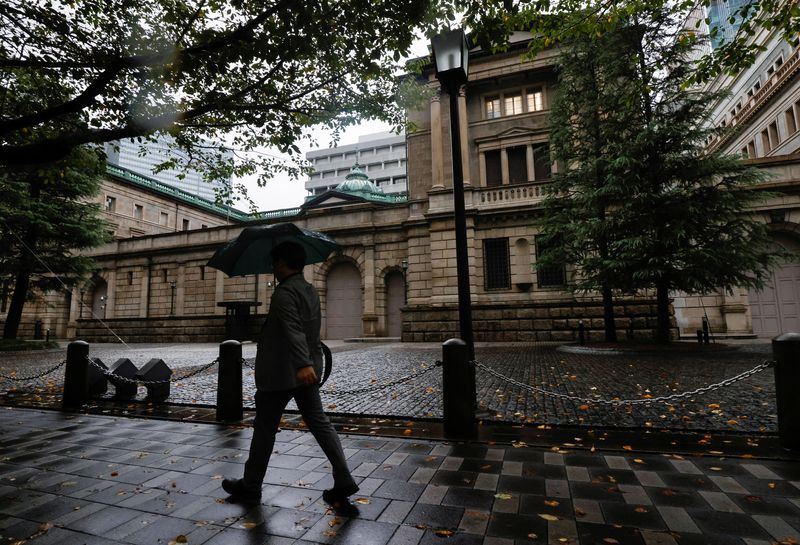
[Financial News, Tokyo — Correspondent Seo Hye-jin] The Bank of Japan (BOJ) conducted a rate check after the yen fell to the 158-yen range against the dollar despite a benchmark interest-rate hike. Yen-buying surged as market participants grew wary of possible intervention, briefly driving the yen up to the upper 156-yen range against the dollar early on the 19th.
According to Nihon Keizai Shimbun on the 19th, the BOJ conducted a rate check between the previous evening and early that morning. A rate check involves authorities asking banks and others about the exchange rates applicable to foreign-exchange transactions. It differs from market intervention, which involves the actual deployment of funds, but it can also be conducted in preparation for intervention. Japan's foreign-exchange policy is overseen by the Ministry of Finance, while the BOJ conducts rate checks in line with the ministry's intentions.
Until the BOJ's move, the yen had continued to weaken despite the rate hike. The yen was trading at around 156.10 to the dollar the previous morning, but began to fall after the BOJ announced that it would raise its policy rate from 1% to 1.25% annually. Following BOJ Governor Kazuo Ueda's press conference, it fell to the 158-yen range for the first time in about two weeks.
With the hike already priced into the market, expectations for the pace of further increases weakened after two of the nine policy board members voted against it. Governor Ueda said he was not ruling out consecutive rate hikes, but market participants assessed that the BOJ did not appear to be in a hurry to raise rates again.
Before the rate check, the yen had fallen to the 181-yen range against the euro and the 211-yen range against the pound the previous day. Those levels were also the yen's lowest in about two weeks against both currencies.
The market's sensitive reaction to the rate check was driven by recent intervention cases.
After Japanese authorities intervened in late July by buying yen, U.S. authorities also conducted rate checks with banks and had them prepare for further intervention. The United States subsequently intervened in the market in the direction of buying yen. Earlier, in January, U.S. authorities had also conducted a rate check on the dollar-yen exchange rate.
Japan is entering a five-day “Silver Week” holiday break from the 19th through the 23rd. September 22 is also a public holiday, falling between Respect for the Aged Day on the 21st and Autumnal Equinox Day on the 23rd. Trading can decline during the holiday period, potentially widening exchange-rate swings. Market participants are concerned that actual intervention could take place during the holiday following this rate check.
The Japanese government and the BOJ spent more than 15 trillion yen buying yen in July and August. The Nikkei reported, "Unless the economic fundamentals of the United States and Japan change, it will be difficult for the yen to enter a full-fledged strengthening trend."
[email protected] Seo Hye-jin Reporter