Samsung Medical Center Ranks Fifth Worldwide in Cancer, Climbs Seven Spots to 12th in Respiratory Care [U.S. Newsweek]
- Input
- 2026-09-18 11:31:00
- Updated
- 2026-09-18 11:31:00
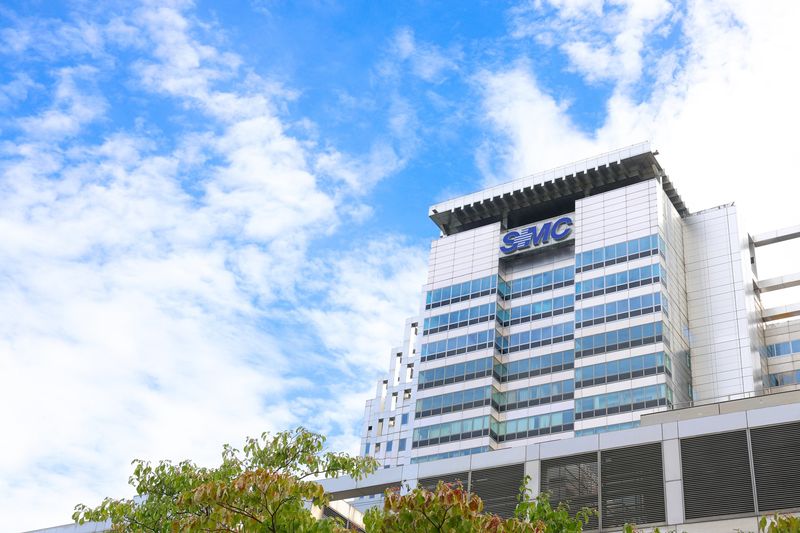
[Financial News] Samsung Medical Center's respiratory medicine department rose seven spots from 28th worldwide last year to 12th this year, putting it on the verge of entering the global top 10. Samsung Medical Center announced on the 18th that it ranked fifth worldwide and first in South Korea for cancer care in Newsweek's World's Best Specialized Hospitals 2027, released on September 17 local U.S. time. It also ranked ninth worldwide in urology.
Park Seung-woo, president of Samsung Medical Center, said at the meeting, "The hospital is continuing to innovate with the vision of 'SMC at the Center of Future Healthcare' and the goal of becoming an advanced, intelligent hospital focused on severe and complex cases. Our choices in the past created today's results. We will continue to put patients at the center as we shape the hospital's future."
Samsung Medical Center Ranks Fifth Worldwide in Cancer Care
Samsung Medical Center opened a cancer hospital in 2008 that was Asia's largest single-building facility of its kind. It was the first hospital in South Korea to introduce CAR T-cell therapy and has continued to offer cutting-edge cancer treatments, including precision cancer care for patients without standard treatment options. Newsweek's latest ranking reaffirmed Samsung Medical Center's reputation as one of the world's leading cancer treatment institutions.
Samsung Medical Center opened its Proton Therapy Center in December 2015 and has been credited with expanding the horizons of particle-beam therapy in South Korea over the past decade. The five-year survival rate for all cancer patients treated at the Samsung Comprehensive Cancer Center is known to be 75.4%, among the highest in the world.
In recent years, the hospital has focused not only on improving treatment outcomes for cancer patients but also on enhancing their quality of life. In June 2024, it established the Cancer Patient Quality of Life Research Institute with Samsung Fire & Marine Insurance. The institute identifies unmet needs among cancer patients who face physical, psychological or financial disadvantages and develops research projects and support programs to improve their quality of life.
Since 2024, the hospital has held joint seminars every other month on Patient-Reported Outcomes (PROs) with Charité – Universitätsmedizin Berlin, regarded as one of Europe's leading hospitals. It also signed a memorandum of understanding with the European Organisation for Research and Treatment of Cancer (EORTC), Europe's largest cancer clinical research organization, to serve as an official partner overseeing the standardization and quality management of Korean PRO tools. In addition, it became the first institution in South Korea to receive certification from the International Consortium for Health Outcomes Measurement (ICHOM), a nonprofit organization that sets international standards for patient-centered Value-Based Healthcare.
The hospital recently introduced CCCS (Comprehensive Cancer Care for Senior), a closely coordinated care model for older cancer patients. Based on geriatric oncology, CCCS assesses treatment risks when cancer patients aged 70 or older are hospitalized for surgery, helping them complete treatment more safely and in better health.
The proportion of patients aged 65 or older among those treated at the Samsung Comprehensive Cancer Center rose from 29% in 2008 to 40% in 2022, a 1.4-fold increase over 14 years. Under CCCS, the cancer center evaluates older patients scheduled for hospitalization. Those classified as high-risk receive additional consultations and assessments, allowing the hospital to provide personalized medical services.
Uncontested No. 1 in South Korea for Respiratory Care, Nearing the Global Top 10
Samsung Medical Center also maintained its firm position as South Korea's No. 1 hospital in respiratory care. In Newsweek's latest ranking, it placed 12th worldwide, up seven spots from the previous year. Given that it ranked 28th worldwide in 2024, the upward trend is clear, raising expectations that it will enter the global top 10 in the next evaluation.
Samsung Medical Center has demonstrated strength across all respiratory diseases, including lung cancer, chronic obstructive pulmonary disease, interstitial lung disease and post-lung-transplant care, which are among the major severe conditions in respiratory medicine.
For lung cancer treatment, Samsung Medical Center introduced dedicated surgical robots in 2023 and improved the quality of care by assigning dedicated professors and specialized nurses to its intensive care unit for patients with lung and esophageal cancer. More recently, it introduced the latest robotic surgical system, da Vinci 5, and upgraded its system to enable single-port surgery.
Samsung Medical Center performs an average of more than 1,500 lung cancer surgeries annually, over 90% of which use minimally invasive methods such as robotic or video-assisted thoracoscopic surgery. The 30-day postoperative mortality rate is just 0.1%, enabling the hospital to provide treatment that is both highly safe and effective. As a result, the survival rate of Samsung Medical Center's lung cancer patients is 65.7%, far above the South Korean average of 42.5% and the U.S. rate of 28.1% for the lung cancer with the highest mortality rate.
Samsung Medical Center actively performs mediastinal lymph node examinations using endobronchial ultrasound and radial endobronchial ultrasound-guided lung biopsies for accurate lung cancer diagnosis and staging. In March, it introduced robotic bronchoscopy, significantly expanding its diagnostic capabilities to include pulmonary nodules that were difficult to access or diagnose using conventional methods. It also performs more than 200 therapeutic rigid bronchoscopy procedures annually, including stent placement for bronchial stenosis and the removal of tumors from the bronchi.
At the recently held World Conference on Lung Cancer, a research team from the Department of Pulmonary and Critical Care Medicine, led by Professors Eom Sang-won, Jung Byung-ho and Kim So-yeon, presented the NIKE study. The prospective low-dose chest CT screening study seeks to enable early lung cancer diagnosis in nonsmoking women who have had a family history of lung cancer among their first-degree relatives since 2024. The study found that the lung cancer detection rate was comparable to screening results among smokers, raising the possibility that it could serve as a basis for expanding South Korea's lung cancer screening eligibility in the future.
Samsung Medical Center also demonstrates strength in treating chronic obstructive pulmonary disease (COPD), a severe respiratory illness. In 2022, it became the first hospital in South Korea to introduce Patient-Reported Outcomes (PROs) for all COPD patients through mobile questionnaires and incorporate them into actual clinical care. It also operates a 365-day monitoring program for patients with severe COPD, continuously tracking changes in their condition and providing more intensive management services.
In interstitial lung disease, the hospital operates Asia's largest specialized clinic and actively conducts numerous Phase 2 and Phase 3 clinical trials. In lung transplantation, it provides systematic care from surgery through post-transplant management and performs approximately 40 lung transplants annually. Drawing on this extensive clinical experience, it continues to publish related research findings in leading domestic and international academic journals.
[email protected] Jung Myung-jin, Medical Correspondent Reporter