Incheon Metropolitan City Government Expands Smart Traffic Safety Facilities at 21 Major Intersections
- Input
- 2026-09-18 10:15:28
- Updated
- 2026-09-18 10:15:28
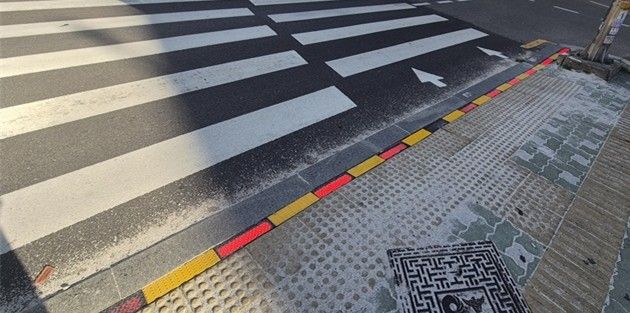
【Financial News, Incheon = Han Gap-su, Reporter】 Incheon Metropolitan City Government has expanded smart traffic safety facilities at major intersections to enhance traffic safety for pedestrians in urban areas.
Incheon Metropolitan City Government announced on the 18th that it had completed construction to install smart traffic safety facilities at 21 crosswalks, including those at Ganseogogeori and other major intersections.
A total budget of KRW 270 million was allocated to the project. Depending on site conditions, ground-level pedestrian signal lights were installed at 18 locations and red-signal countdown displays at three.
Ground-level pedestrian signal lights are installed in the pavement along the waiting line at a crosswalk, allowing pedestrians to check the walking signal at their feet.
Red-signal countdown displays show numerically how much time remains on the current red signal. The city explained that the devices can help reduce jaywalking and encourage safer crossings by allowing pedestrians to know in advance how long they must wait for the walking signal to turn on.
The city expects the facilities to help pedestrians who walk while looking at their smartphones recognize signals, while also improving drivers' ability to see signals at night or in rainy conditions.
Incheon Metropolitan City Government expects the expanded facilities to make it easier for both pedestrians and drivers to recognize signals intuitively. In particular, it plans to continue expanding smart traffic facilities based on usage demand and site conditions to improve safety for vulnerable road users and pedestrians.
Park Seong-sun, director of the Transportation Policy Bureau, said, "We will continue to expand smart traffic facilities by closely examining site conditions and citizens' usage demand to protect vulnerable road users and create a safer urban pedestrian environment."
[email protected] Han Gap-su Reporter