KOGAS, with 14.2 Trillion Won in Receivables from Civilian Customers, Sees Increase Resume
- Input
- 2026-09-18 08:15:40
- Updated
- 2026-09-18 08:15:40
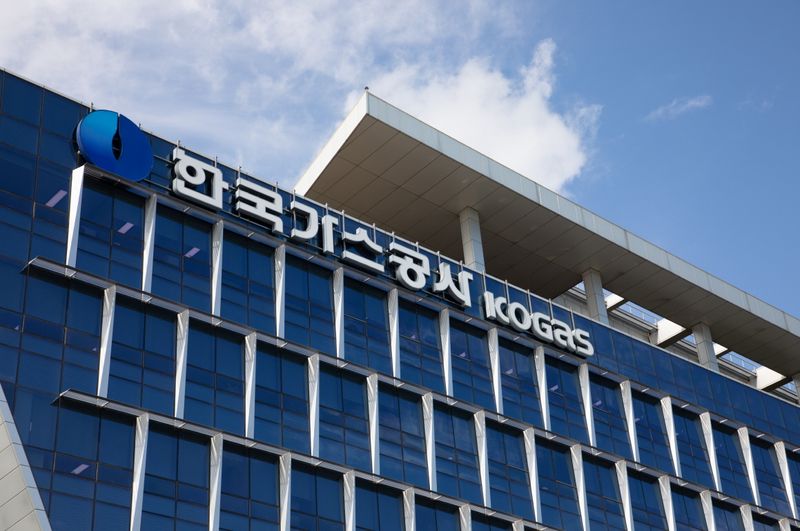
[Financial News] Market attention is focused on the possibility that KOGAS's receivables from civilian customers will increase. Although operating profit improved on lower LNG import costs and strong overseas business performance, analysts say the pace of receivables recovery is likely to slow again as international energy prices rise once more.
According to Hanwha Investment & Securities on the 18th, KOGAS's receivables from civilian customers surged from 1.8 trillion won in 2021 to 14.2 trillion won in the third quarter of last year, before declining for the first time in the fourth quarter. They fell to about 13.3 trillion won at the end of the first quarter this year, but edged up again in the second quarter. The renewed increase despite the period's relatively low seasonal demand in summer suggests that the burden could grow further in the second half of the year.
This is viewed not as a simple temporary fluctuation, but as a structural issue directly linked to the energy pricing system. KOGAS is directly affected by fluctuations in international LNG prices and exchange rates, while civilian gas rates are difficult to adjust flexibly because of policy considerations. As the gap between costs and rates widens, receivables accumulate and recovery is delayed. This is why analysts say that improving KOGAS's financial structure will be difficult without gas rate increases if high oil prices persist. However, since rate hikes directly add to inflationary pressure and would be difficult to pursue immediately, the pace of receivables recovery is likely to remain limited for the time being.
KOGAS's operating profit for the first half rose 28% year on year, showing a solid performance. Although lower oil prices reduced selling prices, LNG import costs also declined, lowering the cost of sales, while overseas business performance provided additional support.
Higher production from Canadian LNG contributed to improved profits, while profitability at Australia's GLNG improved as its proportion of gas purchased from third parties declined. Mozambique's Coral FLNG also boosted performance as higher sales volumes coincided with increased selling prices. Consolidated net income grew further, supported by equity-method gains from Uzbekistan's Surgil and other investments. However, separate net income, which serves as the basis for dividends, fell 29.1% year on year, limiting the company's actual capacity for shareholder returns.
Song Gu-gwi, an analyst at Hanwha Investment & Securities, said, "KOGAS's first-half performance was stronger than expected, but concerns about delays in receivables recovery have resurfaced as energy prices recently rose." The analyst added, "If high oil prices persist, receivables could increase again in the second half, and it will be difficult to accelerate improvements in the financial structure without active rate adjustments."
[email protected] Kang Gu-gwi Reporter