Seoul Apartment Prices Jump 14.5% in a Year, with Ultra-Small Homes Rising Sharply as Well
- Input
- 2026-09-18 06:00:00
- Updated
- 2026-09-18 06:00:00
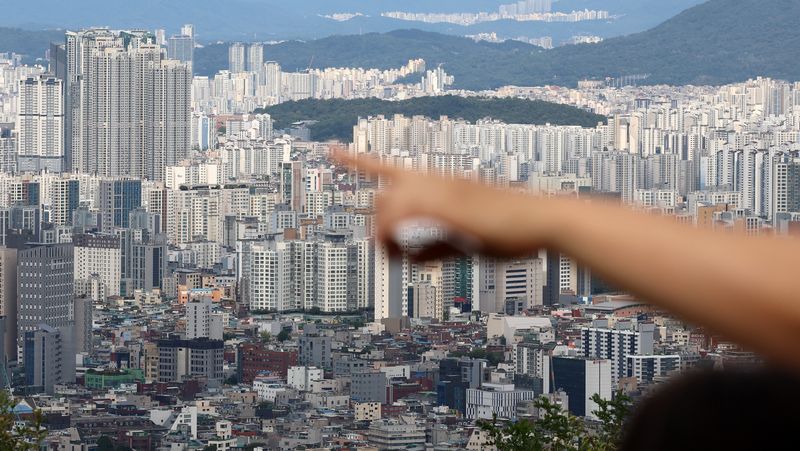
Actual transaction prices for apartments in Seoul jumped more than 14% over the past year, continuing their upward trend. The increase was particularly pronounced in southeastern and northeastern Seoul, while end-user demand concentrated on ultra-small apartments and mid- to low-priced homes costing KRW 1.5 billion or less, which carry a relatively lower financial burden.
According to trends in the Korea Real Estate Board (KREB) apartment actual transaction price index released by the Seoul Metropolitan Government on the 18th, actual apartment sale prices in Seoul rose 1.93% in July from the previous month and 14.56% from the same month a year earlier. After urgent-sale listings in high-priced areas were cleared, regular transactions continued. Demand from actual homebuyers also flowed into mid- to low-priced areas, sustaining the upward trend in prices.
All living zones posted gains, with the Southeast Region of Korea and northeastern Seoul recording particularly strong increases of 2.73% and 2.11%, respectively. By unit size, ultra-small apartments with an exclusive-use floor area of 40 square meters or less posted the sharpest increase at 3.05%.
The jeonse market also maintained its upward trend. Actual jeonse transaction prices for apartments in Seoul rose 0.50% month on month in July, led by northeastern Seoul at 0.88% and the Southeast Region of Korea at 0.86%. By unit size, ultra-small units again recorded the highest increase, at 1.98%.
Meanwhile, transaction volume declined in August because of reduced residential mobility and the seasonal off-season. Seoul apartment sale transactions totaled 3,143 as of September 15, down 46.2% from 5,838 in the previous month. However, the total could increase further because transactions must be reported within 30 days.
By price range, transactions priced at KRW 1.5 billion or less accounted for 79.9%, highlighting a pronounced shift toward a market dominated by mid- to low-priced homes. In outlying areas such as Nowon District, Dobong District, Gangbuk District and Geumcheon District, transactions priced at KRW 1.5 billion or less accounted for 99% to 100% of the total. In the jeonse and monthly-rent market, jeonse and monthly rent maintained a 5:5 split, while the share of jeonse renewal contracts rose sharply to 58.9% from both the previous month and the same month a year earlier.
[email protected] Jeon Min-kyung Reporter