[Editorial] U.S. Shifts to Tightening for the First Time in Three Years; Prepare for Prolonged High Rates
- Input
- 2026-09-17 18:49:31
- Updated
- 2026-09-17 18:49:31
The hike brought the U.S. policy rate to 3.75%–4.00%. It could rise further to 4.00%–4.25% by year-end, and expectations are growing that it will not fall from that level next year either. The U.S. policy rate influences global capital flows and monetary policy in countries around the world. South Korea must revise its response strategy on the assumption that high interest rates will persist.
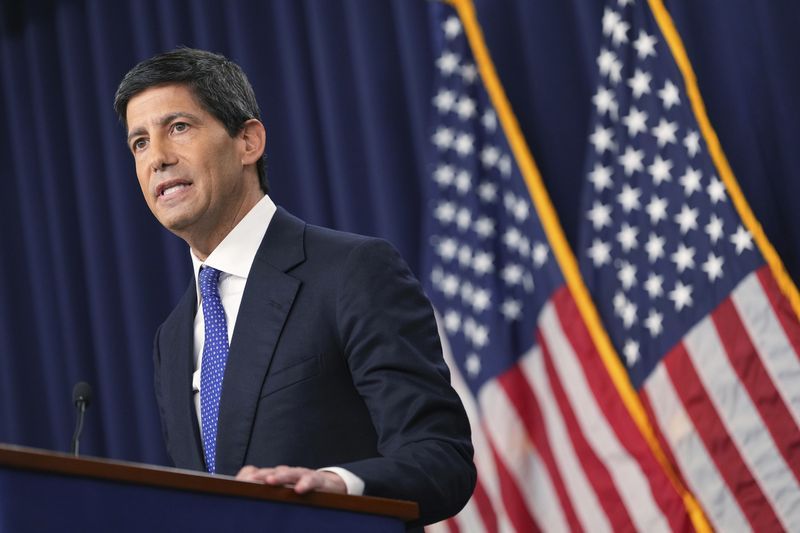
Fed Chair Kevin Warsh did not shy away from hawkish remarks that day. He said the U.S. economy, employment, domestic demand and investment remained robust, while identifying inflation as the biggest problem. "Inflation is too high, and this situation has lasted too long," he said. He also pushed back the expected return of inflation to the 2% target to 2029, a year from now. Warsh had faced pressure from the Trump administration to cut interest rates even before taking office. President Donald Trump again pressured the Fed that day, saying rates should fall to 1% or lower. Despite this, Warsh's refusal to back down shows how deeply concerned the Fed remains about inflationary pressures.
This will be a substantial burden on the South Korean economy. The Bank of Korea (BOK) raised rates twice in a row in July and August, bringing the policy rate to 3%. Exports and investment remain relatively solid, but inflation is expected to stay above the target for a considerable period. The rise in housing prices in the Seoul metropolitan area and household lending is also troubling. Continued U.S. tightening could once again put pressure on the exchange rate and import prices.
That does not mean mechanically following the United States and raising rates is the answer. Household debt exceeds 2,000 trillion won, while self-employed people and marginal companies struggling under heavy interest burdens are in a desperate situation. The effects of the two rate hikes have yet to fully emerge. Even within the Monetary Policy Board, voices are urging caution, warning that additional tightening could increase the burden on vulnerable sectors.
Monetary policy alone cannot carry the burden. Fiscal policy should focus on targeted support for vulnerable groups and productivity-enhancing investment rather than broad-based stimulus that fuels inflation. Housing policy should accelerate efforts to expand supply, while guarding against measures that loosen lending and drive up home prices. Sharp one-sided movements in the foreign-exchange market must also be controlled. Excessive volatility is itself a risk factor for financial markets.
Building the economic resilience to withstand high interest rates is a task for the government, businesses and households alike. If restructuring is delayed for marginal companies living on borrowed money and the risk of defaults among vulnerable borrowers is left unchecked, the cost will only grow over time. Companies must reassess their borrowing structures, while the government and financial sector should distinguish viable firms from those that are not and respond proactively. Painful adjustments to reduce debt and transform the economy's underlying structure must be accelerated.