"Eight New Nuclear Plants to Be Built in the U.S.... The Pace of Expanding U.S. Construction Capacity Is the Key Variable" [Key Issues in U.S. Investment Negotiations]
- Input
- 2026-09-17 18:35:33
- Updated
- 2026-09-17 18:35:33
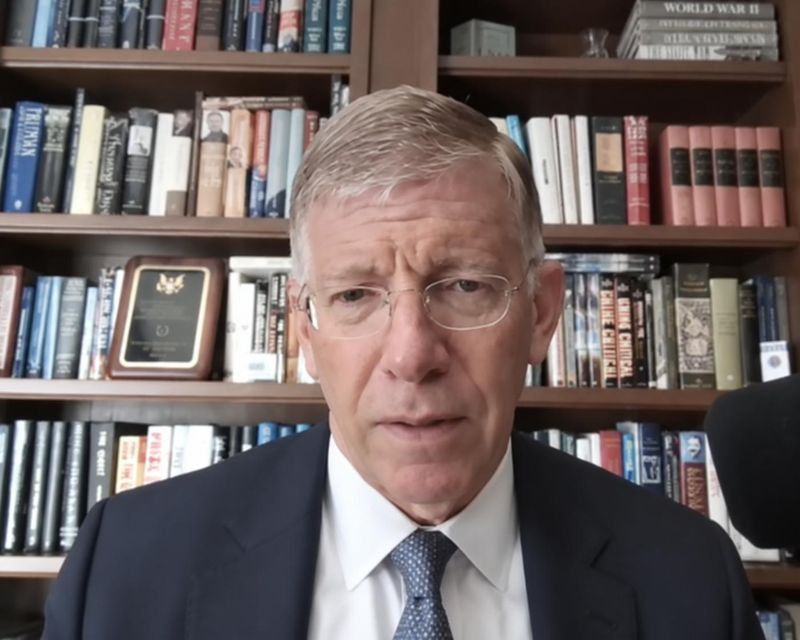
According to The National Interest (TNI), a U.S. publication specializing in foreign and security affairs, Daniel Poneman, former U.S. Deputy Secretary of Energy, assessed in a recently released interview the proposal to build up to eight nuclear power plants in the United States. "It has not been finalized, but if the reports are accurate, that's huge," he said. He went on to explain the significance of nuclear cooperation in South Korea-U.S. relations, stating, "It is a major undertaking in its own right, but it also carries significant strategic importance."
However, Poneman identified the supply capacity of the U.S. nuclear industry—not demand—as the practical constraint on large-scale nuclear construction. Citing projections that electricity demand from U.S. data centers will rise from approximately 24 GW in 2024 to more than 70 GW by 2030, he said, "The constraint in the United States is not on the demand side. The question is whether we can scale up the nuclear industry's capabilities that quickly."
He particularly noted, "Over the past 10 years, China has built 37 nuclear reactors, while the United States has built only three over 30 years," adding, "There is a lot to catch up on." This means that even if the United States expands nuclear power to meet AI-driven electricity demand, it must also rebuild the country's construction ecosystem, which has contracted over a long period.
This assessment suggests that the up-to-eight-reactor project being discussed by South Korea and the United States will depend not only on the investment scale and reactor designs, such as AP1000 and APR1400, but also on actual construction capacity. Securing the equipment supply chains, skilled workforce, and construction capabilities needed to pursue multiple reactors could determine whether the project becomes a reality.
[email protected] Park Ji-young Reporter