AI Is Only Intelligence; Humans Must Decide Matters of Ethics and Dignity
- Input
- 2026-09-17 18:30:50
- Updated
- 2026-09-17 18:30:50
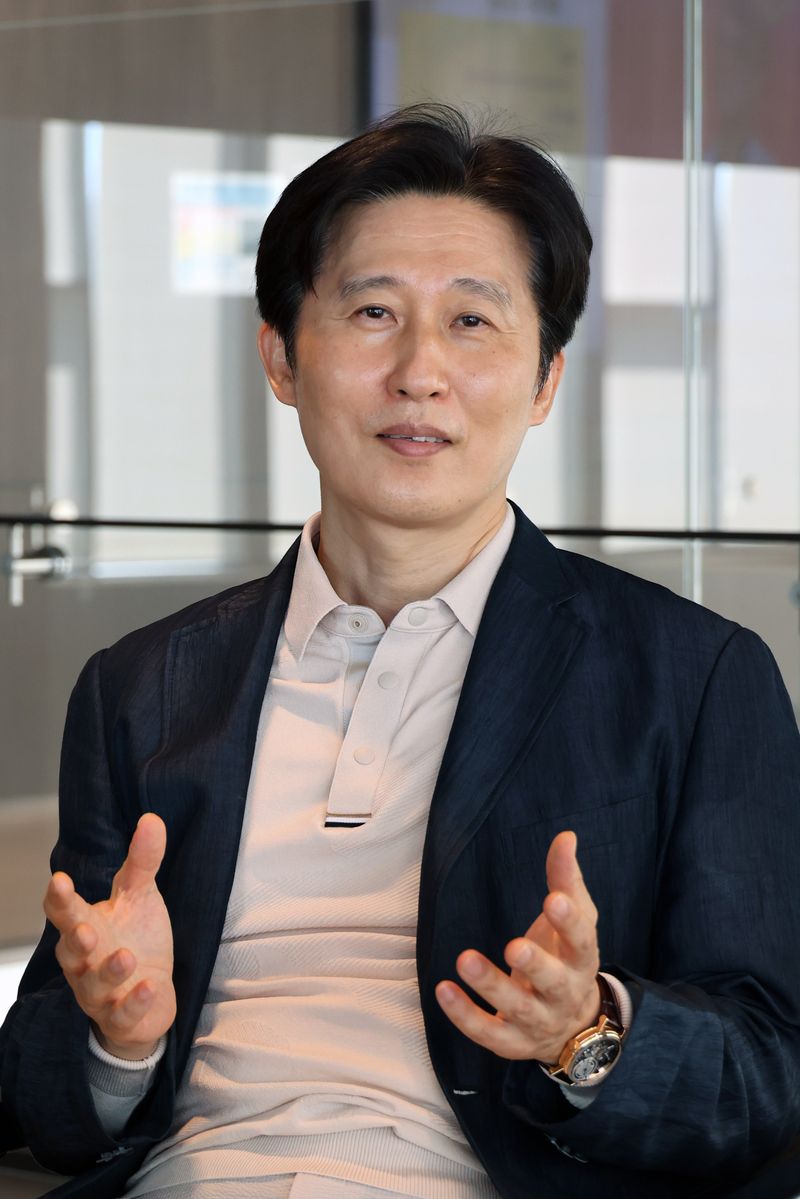
What he emphasizes is a spiritual civilization worthy of an AI-driven technological civilization. Human thinking and values must mature alongside technological advances, meaning that people themselves must decide the purposes and standards for using AI.
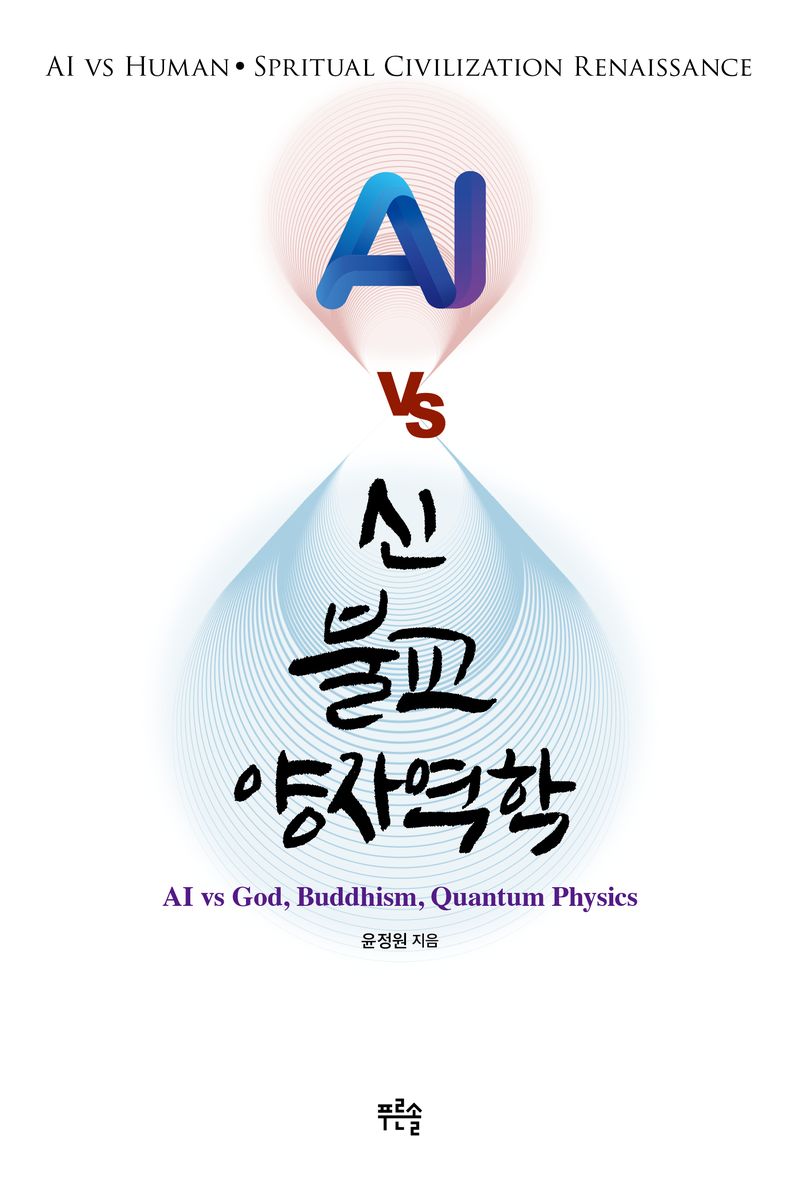
The book's framework consists of seven questions covering why he wrote it, fears about AI and consciousness, the purpose of universities, leaders and careers in the AI era, and God. After examining the nature of AI and the debate over consciousness, it moves on to questions about education and work, leadership, and human values. Rather than stopping at an explanation of technology, it reflects on the lives and standards of judgment that technology will change.
He did not originally intend to write a book about Buddhism and quantum mechanics. Over the past two to three years, people he met while lecturing at universities, institutions, and government ministries asked not about technological change itself, but whether they should still attend university, what they should teach their children, and how they should prepare for careers. The book's broad themes, spanning AI consciousness, religion, and quantum mechanics, grew out of these everyday questions.
Yoon distinguished between intelligence and consciousness. Because AI has no body capable of experiencing sensations, he concluded in the book that it should not be regarded as a conscious being. "AI doesn't have consciousness; it has intelligence. Intelligence and consciousness are different."
The reason he included God, Buddhism, and quantum mechanics in the title was not to give AI a sense of mystique. They served as channels for reflecting on human consciousness and perspectives on the world. He cautioned against interpreting quantum mechanics as meaning that 'reality becomes whatever you think it will be.' His aim was to explore the point where science, philosophy, and religion meet without turning scientific explanations into superstition.
He was even more unequivocal about the role of universities in the AI era. "Universities as a means of transmitting knowledge have almost run their course." He was not calling for universities to be abolished. Rather, he argued that education should shift its focus away from knowledge transmission and toward enabling students to gain firsthand experience, develop insights, and identify problems.
Just as a professional Go player reads countless game records and reviews matches to find sharp moves, he explained, accumulating reading, writing, and experience deepens the questions people ask. "People who ask good questions end up defining problems. So whether it's university education or leadership, the key is the ability to define problems."
He also took a critical view of everyday scenes that deprive people of time to ask questions. Describing the state of being absorbed in short-form videos as 'becoming possessed by YouTube,' he pointed out that repeated clicking leaves less time for deep thought and examining one's own consciousness.
He also predicted a restructuring of the job market. "I expect the number of freelancers to rise sharply," he said, adding, "AI-based consultants who solve problems across various industries will become more common." People with expertise in a particular field and the ability to use AI will be able to work across multiple industries and projects without being tied to a single company, he explained.■ "Concerns Over Data Monopolies ... Safeguards Are Needed"At the same time, he warned that AI and platform companies could become centers of power by monopolizing resources and data. This concern stems from the recognition that data has become a resource as important as oil. Worried that disruptions to cloud and AI services could affect even the functioning of governments, he urged, "Business leaders must also think about the public interest on their own."
Above all, he said, efficiency cannot replace every judgment. He cited hiring and firing, raising children, and ethics education as specific areas for which humans must take responsibility.
This is also why he calls AI a mirror. As AI produces more answers, what remains for humans does not shrink; it becomes more clearly defined. The question Yoon left with readers was directed not at AI, but at humanity itself.
He emphasized, "Judgments involving ethics and dignity, empathy and respect, and conscience must ultimately be made by humans," adding, "When AI makes an error, we need safeguards that allow humans to examine and control it."
[email protected] Jang In-seo Reporter