Court recognizes Hyun Joo-yup's "unauthorized absence from the workplace"; sanctions against Whimoon High School basketball team canceled
- Input
- 2026-09-17 16:46:59
- Updated
- 2026-09-17 16:46:59
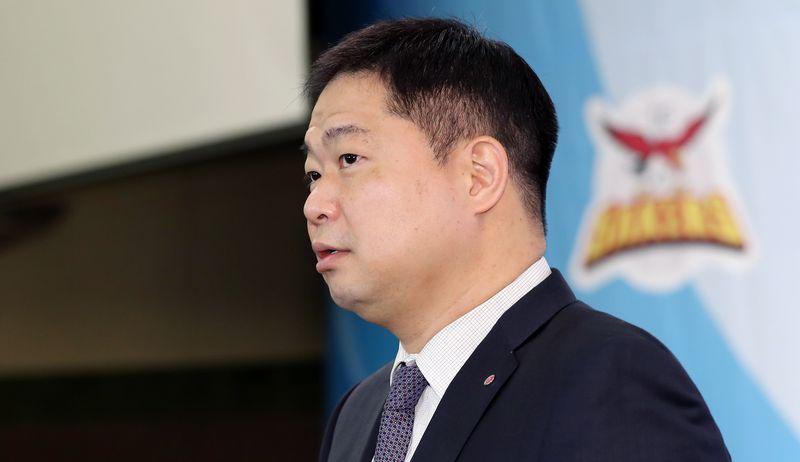
[Financial News] The court ruled that the grounds cited by the Seoul Metropolitan Office of Education (SMOE) in disciplining Hyun Joo-yup, a former basketball player and broadcaster, for leaving his workplace without authorization while serving as head coach of Whimoon High School's basketball team without approval to hold a concurrent position were lawful. However, it found that imposing sanctions on the entire sports program, including restricting transfers of basketball players, on that basis was excessive.
The Seoul Administrative Court's Administrative Division 2, presided over by Judge Gong Hyun-jin, ruled on the 17th partly in favor of Whimoon School Foundation in a lawsuit against the Superintendent of the Seoul Metropolitan Office of Education seeking to cancel demands for dispositions based on the audit results and other measures.
Hyun became embroiled in controversy over neglecting his coaching duties by frequently missing training and practice for reasons including broadcast filming in 2024 while serving as head coach of Whimoon High School's basketball team. In response, SMOE conducted a comprehensive audit and civil complaint investigation of Whimoon School Foundation and Whimoon High School in April of the same year.
SMOE concluded that Hyun had performed another job without separate authorization to hold a concurrent position and left his workplace without authorization without designating substitute workdays, prompting it to request a pay reduction. It also pointed out the improper disbursement of labor costs for the basketball team's full-time coach, irregularities in the hiring and management of sports-team coaches, and problems with the use of operating expenses.
The court upheld all of the grounds cited in the audit disposition concerning sports-team coaches.
The court noted, "The existing coach was paid twice during the process of appointing a new full-time coach, and another sports-team coach who had not yet been appointed was allowed to work in the form of volunteer service." It also pointed out, "The type of labor costs reported to the education office when appointing the new full-time coach was changed arbitrarily."
Regarding Hyun's unauthorized absence from the workplace, the court stated, "He concurrently held another job without obtaining approval through the procedures prescribed by the relevant regulations and left his workplace without authorization without designating substitute workdays." It found that unfamiliarity with administrative procedures had not contributed to the matter.
However, the court found that the administrative and financial sanctions imposed on the entire sports program based on these audit findings were excessive.
SMOE restricted transfers of student-athletes into Whimoon High School's basketball team for one year and excluded the basketball and baseball teams from subsidies for winter and summer special training for one year. It also restricted off-campus training for six months, excluded the basketball team from the review for assigning a full-time coach for the 2025 academic year, and barred both teams from various support programs.
The court canceled all of these sanctions. It expressed concern, saying, "If transfers of new players are blocked for a year, the sports program's competitiveness will decline significantly, affecting currently enrolled players as well. It would be difficult to achieve training results with only the off-campus training permitted by the education office, which would directly lead to a decline in the capabilities of the school sports teams."
It further ruled, "Imposing all at once sanctions capable of seriously disrupting the operation of the sports teams based on each of the cited grounds would impose heavier harm on the private interests of the school, students, and parents than the public interest that could be achieved through the sanctions." The court concluded that the measures violated the principle of proportionality.
[email protected] Choi Eun-sol Reporter