"My child touched it—is it okay?" Rushed to the ER after touching turtles and chicks [Health Talk]
- Input
- 2026-09-17 14:58:40
- Updated
- 2026-09-17 14:58:40
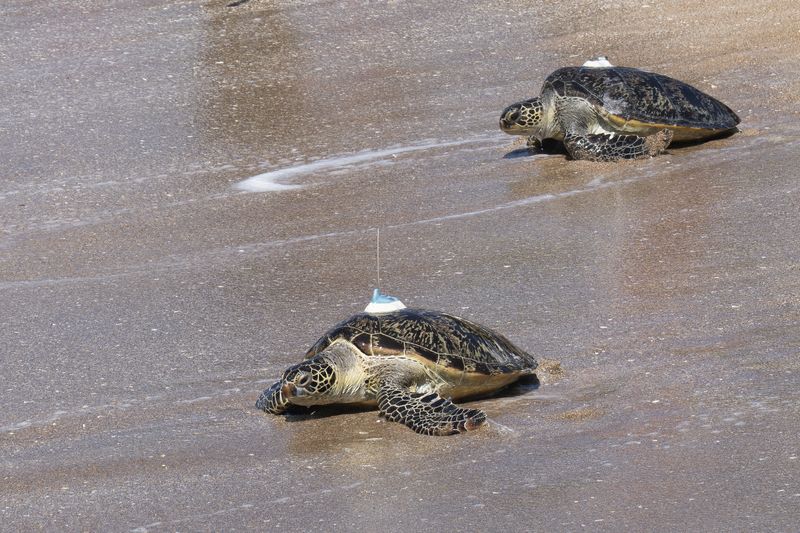
[Financial News] Salmonella infection commonly brings contaminated food to mind, but people can also become infected through contact with pets such as turtles, lizards and chicks, making caution necessary.
Professor Song Seung-ha of St. Nicholas Children's Hospital at The Catholic University of Korea, Seoul St. Mary's Hospital, explained, "Salmonella infection can occur not only through contaminated food but also through contact with animals such as reptiles, amphibians and poultry. Turtles, lizards, snakes, frogs, chicks and ducklings may carry and shed Salmonella bacteria even when they appear healthy."
Salmonella infections are divided into typhoidal infections, such as typhoid fever and paratyphoid fever, and nontyphoidal infections. Most infections associated with animal contact are nontyphoidal. While typhoidal Salmonella primarily uses humans as its reservoir and causes persistent fever and bacteremia, nontyphoidal Salmonella is found not only in humans but also in various animals and environments, and mainly causes acute gastroenteritis.
The main symptoms are diarrhea, abdominal pain and fever, sometimes accompanied by nausea or vomiting. Symptoms generally appear within 6 hours to 6 days after the bacteria are ingested. Diarrhea can range from watery stools to mucoid or bloody stools, and most cases improve within one week. In some cases, however, the bacteria can invade beyond the intestinal tract and cause bacteremia or focal extraintestinal infections such as meningitis, osteomyelitis and septic arthritis. The risk of such invasive infections is higher in newborns and young infants and in people who are immunocompromised. Malnutrition, immunosuppressive treatment, organ transplantation and Human Immunodeficiency Virus (HIV) infection are also considered risk factors.
According to a domestic multicenter study conducted from 1996 to 2020, Salmonella was the third most common cause among the eight pathogens examined for invasive infections in immunocompetent children older than 3 months, accounting for 15.3%. It was also the most common cause of bacteremia without a focal infection in children aged 24 months and older. However, these figures represent the proportion of Salmonella cases among invasive bacterial infections. In healthy children, nontyphoidal Salmonella infection usually presents as enteritis, and only some cases progress to invasive infection.
Indirect exposure can also cause infection if hands are not washed
Bacteria shed by reptiles and amphibians can contaminate enclosures, substrate, water containers, aquariums, toys, nearby furniture and floors. Even without directly touching an animal, people can become infected by touching contaminated objects or surfaces and then putting their hands in their mouths or eating food. Young children in particular often put hands that have touched floors or objects into their mouths, so caution is also needed regarding indirect exposure. Pet food can also be a source of contamination, as insects such as crickets and mealworms or feeder rodents may carry Salmonella bacteria.
Poultry is also an important source of infection. In addition to chicks and ducklings, adult chickens and ducks can carry and intermittently shed Salmonella bacteria. In the United States, 53 Salmonella outbreaks associated with contact with live poultry were reported from 1990 to 2014, infecting 2,630 people, hospitalizing 387 and causing five deaths. Among patients whose age was known, children younger than 5 accounted for 31%.
Treatment depends on the patient's age, disease severity, immune status and site of infection. Most healthy children with uncomplicated nontyphoidal Salmonella gastroenteritis improve with supportive care, such as fluid and electrolyte replacement. Antibiotics are not routinely administered because their clinical benefits are limited and they may cause side effects and contribute to antimicrobial resistance. Antimotility antidiarrheal medication should not be given to children without medical guidance. However, for patients at high risk of invasive infection, such as newborns, young infants and immunocompromised individuals, or when bacteremia, meningitis or osteomyelitis is confirmed, appropriate antibiotic treatment is provided based on the patient's age, site and severity of infection, and the bacteria's antimicrobial susceptibility.
"Poultry should generally not be brought indoors"
Professor Song advised, "The most important way to prevent Salmonella infection is to develop the habit of washing your hands with soap and running water after contact with animals. You must wash your hands after touching reptiles or amphibians or handling their enclosures, aquariums, substrate, food or equipment. Children should also be taught not to eat food or touch their faces and mouths with hands that have touched animals." In particular, children younger than 5 and people who are immunocompromised should avoid direct contact with reptiles and amphibians and exposure to their living environments.
Reptiles and amphibians should not be allowed to roam freely indoors, and they must be kept away from areas where food is prepared or eaten, such as kitchens and dining tables. Enclosures, aquariums and related equipment should be cleaned in a designated outdoor area rather than in the kitchen sink. Cleaning tools should also be kept separate from those used for dishes and food ingredients. Enclosures and aquariums should be placed out of children's reach, with cleaning and maintenance handled by adults. Keeping reptiles or amphibians in day care centers or childcare facilities should also be avoided.
As a general rule, poultry should not be brought indoors. Chicks and ducklings should not be raised inside the home or brought into children's bedrooms or play areas. After handling poultry or poultry equipment, people should wash their hands, and shoes used in poultry areas should be kept out of the home.
[email protected] Jung Myung-jin, medical specialist Reporter