[Exclusive] Samsung semiconductor plants could save KRW 200 billion a year in electricity costs if moved south
- Input
- 2026-09-20 13:00:00
- Updated
- 2026-09-20 13:00:00
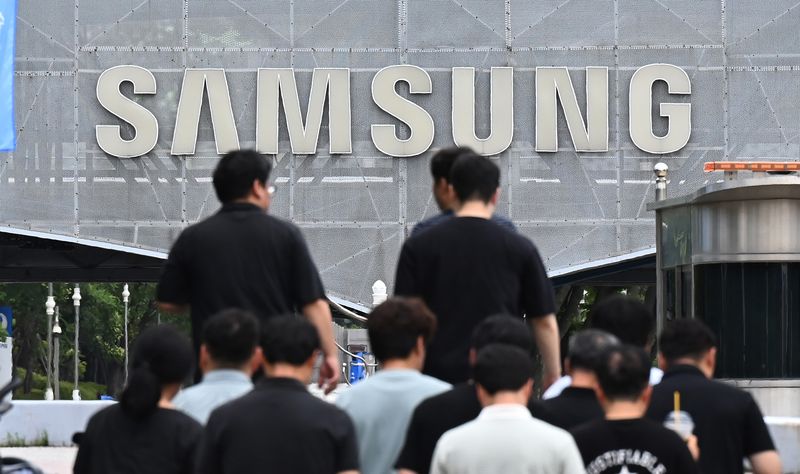
On the 20th, political sources said that lawmakers including Lee Sang-hwi of the People Power Party hosted a seminar at the National Assembly on the reform of industrial electricity rates on the 17th.
Cheon Hyeon-min, director of KEPCO's Rate Strategy Office, told this newspaper after the seminar, "If Samsung Electronics were to move to the Southern Region, we estimate that it would save around KRW 200 billion annually in electricity costs."
However, Cheon explained that the estimate KEPCO produced using Samsung Electronics as an example is not yet final. The Ministry of the Interior and Safety (MOIS) is still preparing the regional preference index required to apply different electricity rates by region.
The plan designed by the government and KEPCO for introducing regionally differentiated electricity rates initially divides the country into four broad areas: the northern Capital Metropolitan Area, the southern Capital Metropolitan Area, the Southern Region, and the Central Region (the Chungcheong and Gangwon regions). Based on the regional preference index to be prepared by MOIS, which will include factors such as the level of development, areas within each broad region will then be divided into one to four zones, with electricity rates calculated differently for each zone.
The estimate Cheon mentioned could change during the calculation process after MOIS finalizes the regional preference index. However, it is attracting attention because the Southern Region is expected to receive the largest discount once the regionally differentiated electricity rate system is introduced. In addition to being far from Seoul, the Southern Region uses less of the transmission network, has a high electricity self-sufficiency rate, and is relatively underdeveloped, making industrial electricity rates there likely to be lower than in other regions. In fact, the government and KEPCO estimate that the expected discount on industrial electricity in the Southern Region will be up to KRW 18 per kilowatt-hour (kWh). That is equivalent to 10% of the average industrial electricity sales price. By contrast, the estimated discount for industrial electricity in the southern Capital Metropolitan Area, where Samsung Electronics' major plants are currently located, is up to KRW 1 per kilowatt-hour (kWh).
In particular, the purpose of regionally differentiated electricity rates aligns with the Lee Jae Myung administration's policy direction of balanced regional growth. The plan is to use cheaper electricity to encourage companies to relocate to regional areas. If the system is introduced, companies' electricity cost burden is expected to decrease by approximately KRW 2.8 trillion annually.
[email protected] Kim Hyeong-gu Reporter