CU Introduces Triangular Kimbap Made with Soft Water for a Softer Texture
- Input
- 2026-09-17 11:44:21
- Updated
- 2026-09-17 11:44:21
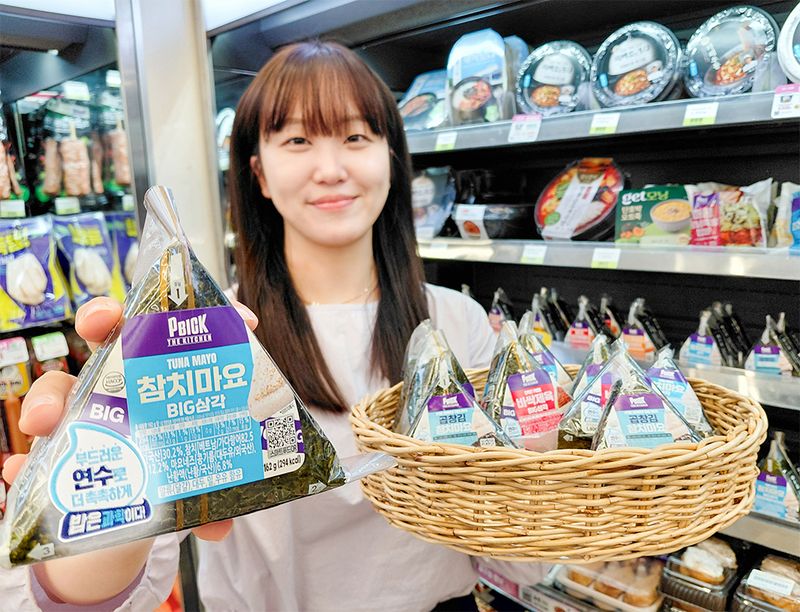
[Financial News] CU is introducing triangular kimbap made with low-hardness soft water as part of its efforts to improve the quality of its convenience foods.
According to industry sources on the 17th, CU’s latest quality upgrade applies soft water with a hardness of 5 mg/L or less throughout the entire rice-cooking process, from washing and soaking the rice to the water used for cooking. The approach is designed to improve the rice’s moisture retention and create a moister, softer texture.
CU’s Food Tech Lab task force in the product division began improving the quality of its convenience foods after recognizing that the water used to cook rice, as well as the quality of the rice itself, is an important factor in determining its taste.
CU noted that the water supplied to its existing manufacturing plants had a hardness of about 50–120 mg/L. After conducting research for approximately 10 months, the company identified the water hardness best suited to the Saechungmu rice currently in use.
Water hardness is an indicator of the amount of minerals, such as calcium and magnesium, contained in water. The lower the hardness, the more effectively water penetrates the rice grains, helping the starch absorb water and improving the rice’s moisture retention.
CU increased the rice’s moisture content by using water softeners to remove minerals from tap water and then using soft water with a hardness of 5 mg/L or less.
According to CU’s in-house tests, even as the use-by date approached, rice made with soft water showed at least 20% higher moisture retention than conventional rice. The company explained that this helps slow the rice’s aging process and maintain a softer texture over time.
CU is introducing five types of triangular kimbap made with soft water to create a moister, softer texture. The company plans to apply the improvement first to popular products that customers regularly purchase, including “Tuna Mayo,” “Crispy Jeyuk Bulgogi,” “Kimchi Jeyuk Triangle,” and “Corn Tuna Mayo,” so they can directly experience the quality improvement in everyday products.
Starting with triangular kimbap, CU plans to expand the use of soft water to convenience foods made with rice, including kimbap and lunch boxes. Its strategy is to review application methods suited to each product’s characteristics and manufacturing environment, and use them to improve the taste and texture of a range of rice-based convenience foods.
Bae-Geun Kim, head of BGF Retail’s convenience food team, said, “The more familiar a convenience food is to customers, the more we work to continuously improve its basic taste and quality and strengthen its competitiveness.” He added, “Going forward, we will continue incorporating various technologies and research into our products through the Food Tech Lab task force to build CU’s differentiated competitiveness in convenience foods.”
[email protected] Kim Hyun-ji Reporter