Bank of Korea (BOK): "Closely Monitoring Domestic Financial and Foreign Exchange Markets Due to U.S. Monetary Tightening Stance"
- Input
- 2026-09-17 09:36:51
- Updated
- 2026-09-17 09:36:51
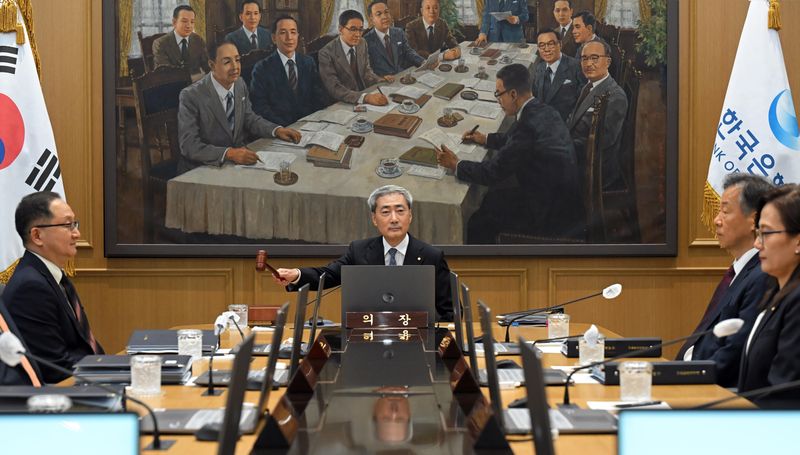
[Financial News] The Bank of Korea (BOK) announced on the 17th that it would closely monitor the impact on the domestic financial and foreign exchange markets regarding the Federal Reserve System (Fed)'s interest rate hike.
Bank of Korea (BOK) Deputy Governor Kwon Min Soo held a market situation review meeting today and assessed, "Considering Federal Reserve System (Fed) Chair Kevin Warsh's commitment to price stability and indications of the possibility of further hikes, the Fed's future monetary policy stance is expected to be tight."
Deputy Governor Kwon Min Soo continued, "External risk factors persist, including the situation in the Middle East, trends in international oil prices, concerns regarding the fiscal soundness of major countries, and uncertainties related to the AI industry." He added, "As monetary policy decisions by major countries such as Japan and the United Kingdom are scheduled for this week, we will closely monitor the situation in the domestic financial and foreign exchange markets with a heightened sense of vigilance."
Early this morning, the Federal Reserve System (Fed) unexpectedly raised interest rates for the first time in over three years since July 2023. The Fed unanimously raised the policy rate by 0.25 percentage points at the Federal Open Market Committee (FOMC) meeting.
In addition, the Fed raised its growth and inflation forecasts in the State of Economic Prospects (SEP) and adjusted its policy rate outlook (dot plot) upward. According to this, 16 of the 18 Fed members projected an interest rate hike of at least 0.25 percentage points this year (12 members projecting 0.25 percentage points, and 4 members projecting 0.50 percentage points).
Federal Reserve System (Fed) Chair Kevin Warsh stated at a press conference, "Recent inflation trends have not improved significantly, and current financial conditions are difficult to view as tight."
As the market viewed the Fed's tightening decision as hawkish (monetary tightening), U.S. Treasury yields rose and stock prices fell. The dollar strengthened.
[email protected] Normal bacteria Reporter