Ministry of Intellectual Property and Ministry of Food and Drug Safety Crack Down on Brokers Mass-Distributing Counterfeit Chinese Goods
- Input
- 2026-09-17 10:00:00
- Updated
- 2026-09-17 10:00:00
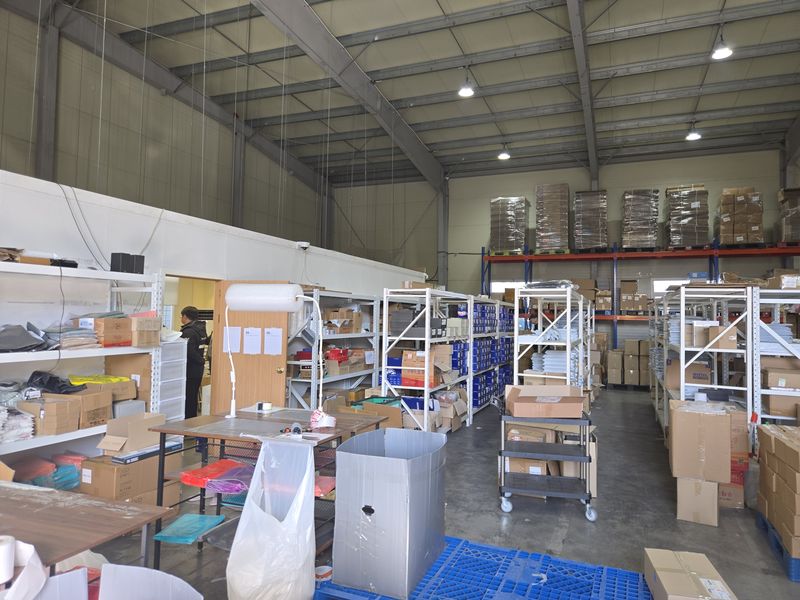
The Ministry of Intellectual Property announced on the 17th that, together with the Ministry of Food and Drug Safety, it had apprehended and referred to prosecutors Broker A, who illegally imported counterfeit cosmetics, health functional foods, and water purifier filters manufactured in China and sold them on online open marketplaces as genuine products. This investigation marks the first case in which the Trademark Special Judicial Police of the Ministry of Intellectual Property and the Central Investigation Unit for Hazardous Crimes of the Ministry of Food and Drug Safety identified the distribution route through close cooperation after receiving a tip that counterfeit goods were being distributed on platforms such as Coupang and NAVER.
According to the investigation, Broker A conspired with a manufacturer (consignor) in Shenzhen, China, to sell 61 types of counterfeit cosmetics and health functional foods, worth 4.5 billion won and totaling approximately 83,000 items, from October 2024 to November 2025. He also leased a logistics warehouse in North Chungcheong Province as a base, stored the counterfeit goods sent by the consignor via international courier, and shipped them to buyers. The goods seized at the site alone amounted to 87 types, worth 1.3 billion won and totaling approximately 14,000 items.
The seized products differed significantly from genuine products in terms of packaging material, container shape, and product formulation. In particular, the counterfeit Brita water purifier filters were sold after the existing “Country of Origin: China” marking was removed and a new “Country of Origin: Germany” label was attached. The items identified in this case totaled approximately 97,000 products worth 5.8 billion won, including 28 types of cosmetics from well-known brands such as KAHI, Beauty of Joseon, and Estée Lauder; three types of health functional foods, including vitamins from the Goryeo Eundan brand; and household goods, home appliances, and fashion accessories such as AirPods and Birkenstock products.
Detailed inspections of the seized functional cosmetics and health functional foods found no key functional ingredients or marker substances, including those associated with whitening and wrinkle improvement. Concerns about consumer harm and safety are growing because the products had not undergone even minimal quality inspections during manufacturing.
An official from the Trademark Special Judicial Police of the Ministry of Intellectual Property said, “When purchasing products online, consumers should always check whether the seller is an official distributor, and if they suspect counterfeiting, they should contact the manufacturer’s customer service center.”
Meanwhile, this case is being analyzed as a typical example of “intelligent e-commerce supply chain crime” that extends beyond simple trademark infringement and crosses national borders. The process of disguising counterfeit goods as legitimate products has become increasingly sophisticated through the combination of manufacturers in China, domestic logistics warehouse operators, and open-market seller registration systems.
[email protected] Kim Won-jun Reporter