Jeju Mandarins Can Be Sold as Market-Grade Produce at 10 Brix, Even When Small; Processing Purchase Price Set at 210 Won per Kilogram
- Input
- 2026-09-17 08:56:18
- Updated
- 2026-09-17 08:56:18
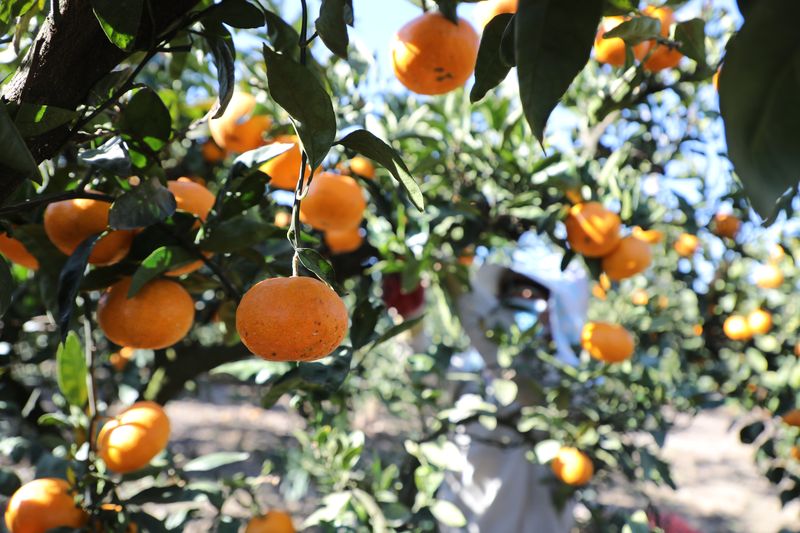
【Financial News Jeju=Reporter Jung Yong-bok】This year, Jeju-grown Satsuma mandarins may be shipped as market-grade produce even if they are slightly smaller than the basic size standard, provided their sugar content is at least 10 Brix. The purchase price for processing mandarins will also remain unchanged from last year at 210 won per kilogram.
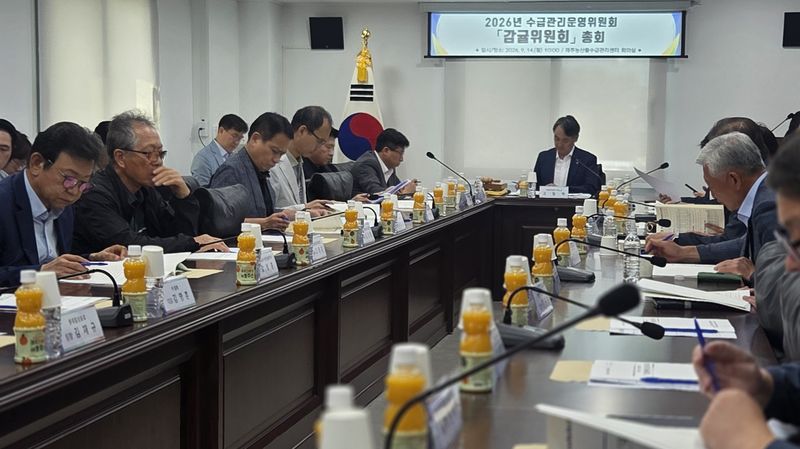
According to Jeju Special Self-Governing Province on the 17th, the Citrus Committee of the Jeju Agricultural Products Supply and Demand Management Operating Committee held a general meeting on the 14th and finalized the market-grade quality standards for 2026 Satsuma mandarins and the purchase price for processing mandarins.
The basic market-grade standards remain the same as last year. A Satsuma mandarin may be shipped as market-grade produce if its horizontal diameter is at least 49 mm and no more than 70 mm, corresponding to sizes 2S through 2L, or if it weighs at least 53 g and no more than 135 g.
Exceptions will be allowed when the fruit falls slightly outside the size standards but has a high sugar content. Small mandarins with a diameter of at least 45 mm but less than 49 mm may be shipped as market-grade produce if their sugar content, measured with an optical sensor sorter or similar equipment, is at least 10 Brix. By weight, each fruit must weigh at least 50 g but less than 53 g.
Brix is an indicator of the concentration of sugars and other substances dissolved in fruit juice. In general, a higher number indicates greater sweetness. This is why Jeju Province is giving small mandarins with a certain level of flavor an opportunity to be sold, rather than judging their marketability solely by size.
Large mandarins are also eligible for an exception. Satsuma mandarins with a sugar content of at least 10 Brix and a diameter of more than 70 mm but no more than 77 mm, or a weight of more than 135 g but no more than 150 g, may be shipped as market-grade produce for export only.
Mandarins grown using soil-covering materials such as Tyvek may also be shipped as market-grade produce in the domestic market if they meet the same size and sugar-content requirements. In this case, however, the sugar content must be verified with an optical sensor sorter rather than a portable measuring device.
Jeju Province regulates market-grade standards through an ordinance to prevent oversupply and low-quality citrus from entering distribution channels. Alongside basic size requirements, it has established exceptions based on sugar content so that mandarins with good flavor can be sold even when their size differs slightly from the standard.
The decision not to change this year’s standards also reflects an effort to reduce confusion among farmers, packing facilities, and distributors. If the standards change every year at production sites, they may have to repeatedly adjust their sorting and shipping procedures.
The purchase price for processing mandarins will also remain at last year’s level. The fruit covered includes mandarins outside the market-grade standards and fruit with moderate defects classified for processing. The purchase price is 210 won per kilogram, with Jeju Special Self-Governing Province providing 70 won and processors covering the remaining 140 won.
In simple terms for farmers, shipping 1 metric ton of processing mandarins would result in a purchase payment of 210,000 won. The processing purchase system channels mandarins that are difficult to sell as fresh market-grade produce into processed products such as juice. It helps reduce the flow of non-market-grade mandarins into the general distribution market while easing the burden on farmers of handling the fruit.
The Citrus Committee consists of 33 members, including farmers, producer organizations, academics, citrus processors, merchants, and government officials. It determines key standards for Jeju’s citrus distribution, including market-grade quality standards, the specifications and purchase prices for processing mandarins, and supply-and-demand control measures.
The key issue for this year’s citrus distribution will be how consistently the established standards are followed at actual sorting sites. Because mandarins outside the size standards can still qualify as market-grade produce if they have high sugar content, accurate sugar-content measurements and management of non-market-grade fruit will determine price and confidence in quality.
Kim Young-jun, director of the Agricultural, Livestock and Food Bureau of Jeju Special Self-Governing Province, said, "We will strengthen oversight at distribution sites to ensure that farmers and packing facilities comply with the shipping standards."
[email protected] Reporter Jung Yong-bok Reporter