Korean Red Cross Highlights Humanitarian Efforts by Koreans in Cuba and Medical Personnel During the May 18 Democratization Movement
- Input
- 2026-09-17 07:00:00
- Updated
- 2026-09-17 07:00:00
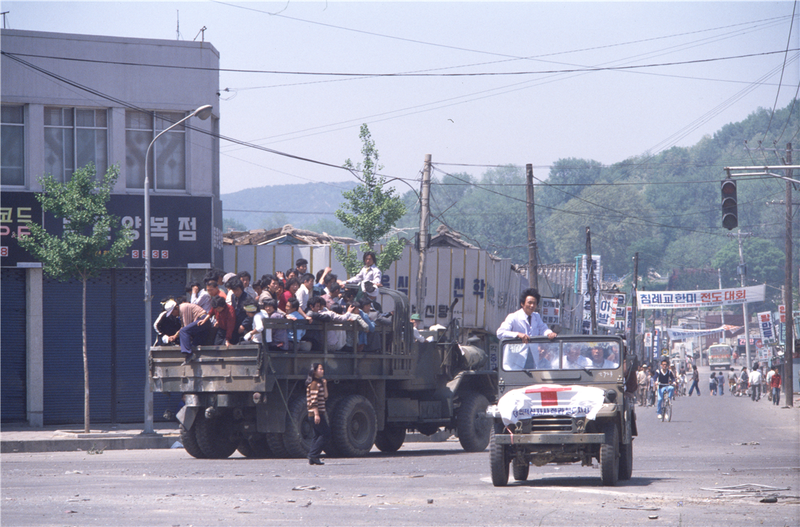
The Korean Red Cross said on the 17th that it would hold the 8th International Humanitarian Academic Conference on the 18th at Henry Dunant Hall on the fourth floor of the Korean Red Cross Seoul Office, in cooperation with the Association for the Historical Studies on Korean National Movement.
Researchers will present their findings across seven sessions—three covering the Japanese colonial period and four covering the post-liberation era. Sponsored by Binggrae, the conference will also be livestreamed on YouTube.
Park Hwan, chairman of the Korea Academic and Cultural Foundation, will introduce the Red Cross activities of Koreans in Cuba during the 1920s. He will discuss how they organized Red Cross units despite harsh working conditions, raised funds for the independence movement, and supported the Provisional Government of the Republic of Korea.
Dr. Ryu Il-hwan of Sogang University will shed light on the activities of medical personnel and civilians during the 1980 May 18 Democratization Movement. He will examine how they treated the injured free of charge and operated blood-donation buses despite pressure to close hospitals and the risk of gunfire.
Dr. Jang Min-ji of Sookmyung Women's University will review the history of medical and welfare support for Korean atomic-bomb victims and call for expanded assistance for second- and third-generation victims. Professor Shim Ho-seop of the Korea Military Academy will analyze the connection between South Korea's accession to the Geneva Conventions in 1966 and its dispatch of troops to the Vietnam War.
Fundraising that supported the independence movement, treatment for the injured, and welfare for victims represent different forms of humanitarian action shaped by their respective eras and beneficiaries. By examining both on-site relief and long-term support, the conference offers a multifaceted look at the role of humanitarianism.
Kang Hye-kyung, president of the Association for the Historical Studies on Korean National Movement, emphasized that research into the history of humanitarianism is "an effort to ask how the state and society responded to victims, and what responsibilities we have inherited from that history."
[email protected] Jang In-seo Reporter