'Three-Year Rate Hike' Lifts U.S. Treasury Yields and Dollar Value Together
- Input
- 2026-09-17 05:50:47
- Updated
- 2026-09-17 05:50:47
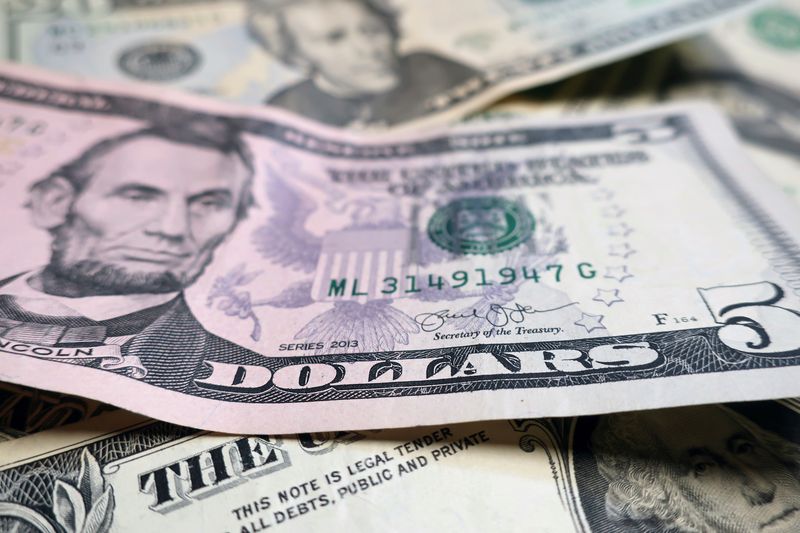
The Federal Reserve System (Fed) raised its policy rate by 0.25 percentage points on the 16th and signaled another hike later this year, sending the dollar sharply higher. U.S. Treasury yields also rose, with the benchmark 10-year yield climbing back above 5%.
Treasury Yields Rise—10-Year Yield Breaks Above 5% Again
Yields rose after the Federal Open Market Committee (FOMC) concluded its two-day meeting, raised rates by 0.25 percentage points, and Chair Kevin Warsh emphasized the risks of inflation.
The benchmark 10-year yield rose 0.022 percentage points from the previous session to 5.02, while the two-year yield, which reflects market expectations for Fed rates, surged 0.077 percentage points to 4.74%.
However, the 30-year yield, which serves as the benchmark for long-term interest rates, fell 0.005 percentage points to 5.358%.
At a press conference following the FOMC meeting, Chair Warsh said, "The inflation figures this summer do not indicate that the current trend has improved meaningfully," adding, "Inflation has remained too high for too long."
Kay Haigh, chief investment officer (CIO) of the fixed-income division at Goldman Sachs Asset Management, told CNBC that the Fed would maintain its rate-hike stance for the time being. He said most officials at this FOMC meeting expected one more hike this year, predicting that the Fed would skip October because it comes just before the midterm elections and raise rates again in December.
When higher interest rates are expected, previously issued Treasuries with lower yields become less attractive, causing their prices to fall. Yields, which move inversely to prices, rise. Newly issued Treasuries also carry higher coupon rates.
Dollar Strengthens
The dollar rose in the wake of the rate hike because holding dollar-denominated assets became more attractive.
The dollar gained $0.0079, or 0.68%, against the euro to reach $1.1464 per euro.
Against the Japanese yen, it rose 1.27 yen, or 0.82%, to 156.35 yen per dollar.
Against the British pound, it rose 0.73% to $1.3376 per pound, while against the Australian dollar, it gained 0.60% to $0.7086 per Australian dollar.
The United States dollar (USD) also rose 0.51% against the Canadian dollar to 1.3987 Canadian dollars per U.S. dollar.
[email protected] Song Kyung-jae Reporter