U.S. Consumer Spending Holds Up Despite High Prices as August Retail Sales Jump 1.2%
- Input
- 2026-09-16 23:05:02
- Updated
- 2026-09-16 23:05:02
According to the U.S. Department of Commerce's U.S. Census Bureau on the 16th (local time), retail sales rose 1.2% in August from the previous month. The increase was well above the market forecast of 0.8%. July retail sales were also revised upward, from an initial decline of 0.6% to a decline of 0.5%. The July decline was the first in nine months.
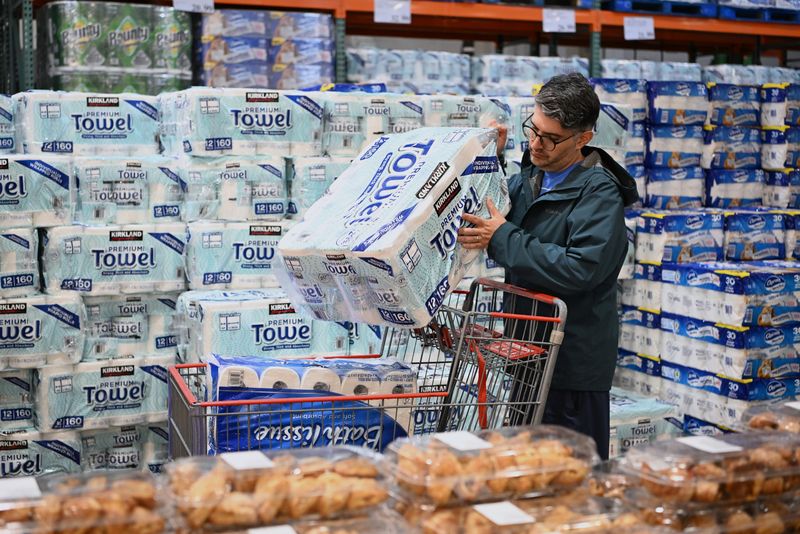
Spending on automobiles and back-to-school items drove consumer spending in August. Rising gasoline prices, fueled by higher international oil prices, also boosted gas-station sales and contributed to the overall increase in retail sales. Retail sales are a nominal indicator that does not account for changes in prices.
Analysts said the strength of the day's data cannot be explained by higher gasoline prices alone. Core retail sales, which exclude volatile categories such as automobiles, gasoline, building materials and food services, surged 1.4% in August. That was more than three times the market forecast of 0.4%. Core retail sales fell 0.4% in July.
Because core retail sales are closely linked to the consumer-spending component of gross domestic product (GDP), the figure is being interpreted as a sign that the underlying strength of the U.S. economy remains solid.
Strong consumer spending is also bolstering the outlook for U.S. economic growth. Forecasts for U.S. economic growth in the third quarter currently exceed an annualized rate of 2%. The U.S. economy grew at an annualized rate of 1.5% in the second quarter.
The market's attention is turning to the Fed's monetary-policy decision scheduled for later that day.
With inflationary pressures remaining high alongside stronger-than-expected retail sales, the labor market—which had weakened during the summer—is also stabilizing again. This means there is less reason for policymakers to hesitate over further rate hikes out of concern about an economic slowdown.
In particular, the core retail-sales figure released that day far exceeded market expectations, confirming that U.S. consumer spending is not easily weakening despite high interest rates and elevated prices. For the Fed, which must contain inflation, the data provide another basis for additional tightening.
[email protected] Lee Byung-chul, Correspondent Reporter