Kang Bang-cheon: "The Next Battleground After AI Is Electricity—Cheap Power Is a National Competitive Advantage" [fn Market Watch]
- Input
- 2026-09-17 14:19:55
- Updated
- 2026-09-17 14:19:55
[Financial News] "The most important competitive advantage going forward will be how reliably we can secure affordable electric power."
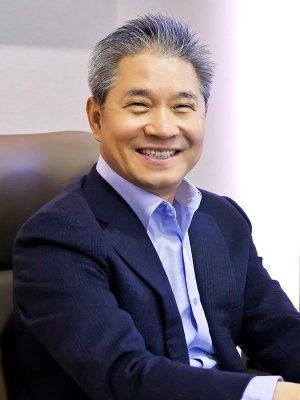
Kang Bang-cheon, chairman of ASSETPLUS Investment Management (pictured), told Financial News on the 17th that he sees the power value chain as the next investment opportunity in the age of artificial intelligence (AI). His view is that electricity could emerge as a new bottleneck as data centers and robots spread following the semiconductor boom triggered by generative AI.
Kang Bang-cheon cautioned that the recent semiconductor boom may reflect compressed demand, with demand that could have emerged over several years concentrated into a short period. He also identified China’s expanding semiconductor supply as a medium- to long-term variable. "Generative AI has created a kind of compressed demand," he said. "We should not view semiconductors based solely on the assumption that today’s high margins will be sustained for a long time."
The industry Kang Bang-cheon is watching after semiconductors is electric power. While the growth equation of the global economy once centered on China and India’s vast labor forces and consumer markets, he believes the emergence of AI and robots could shift the key input in production from people to electricity. "AI and robots ultimately consume electricity to operate," he emphasized. "In the future, the ability of individuals, companies, and countries to secure affordable electric power will determine their competitiveness."
He expects the investment landscape to change accordingly. The entire power value chain—from power generation, storage, and transmission to distribution, including power-generation facilities, transmission and distribution networks, energy storage systems (ESS), and renewable energy—could become a structurally favored industry in the AI era. In South Korea, he is closely watching power-infrastructure companies such as LS Group.
Kang Bang-cheon plans to reflect this view in actual investment products. ASSETPLUS Investment Management is considering revamping the brand and portfolio of its existing Daejangjang-i ETF. Although no rebalancing plan has been finalized, the direction is to expand beyond industrial goods and materials, parts, and equipment to include a broader range of the AI-era power value chain, such as ESS and renewable energy.
He leaned toward the possibility that international oil prices and interest rates will stabilize at lower levels over the medium to long term. His outlook is that oil prices could fall and interest rates could also decline if geopolitical tensions ease. By contrast, he viewed currently high market interest rates as a factor weighing on stock-market valuations.
Ultimately, the center of the AI investment cycle, as seen by Kang Bang-cheon, is expanding from chips to the power infrastructure that runs them. If AI semiconductors benefited first, the next stage—when data centers and robots become more widespread—could make the ability to generate, store, and transmit the electricity needed to operate them around the clock a new investment opportunity.
"If semiconductors are the brain in the AI era, electricity is ultimately what keeps that brain running," Kang Bang-cheon added. "The next investment cycle should be found there."
Kang Bang-cheon is a first-generation value investor in South Korea, known for investing his seed capital in stocks during the International Monetary Fund (IMF) financial crisis and building assets worth tens of billions of won in just over a year. He became known as an "IMF investment guru" after reportedly earning about 16.7 billion won from those investments. He is also known as one of the inspirations for the character Yoon Jeong-hak, an investor played by Yoo Ah-in in the film Default.
[email protected] Kim Kyung-ah Reporter