Japan’s Largest Bank to Finance Defense Industry, Bringing It Closer to Becoming a Military Power
- Input
- 2026-09-16 17:49:28
- Updated
- 2026-09-16 17:49:28
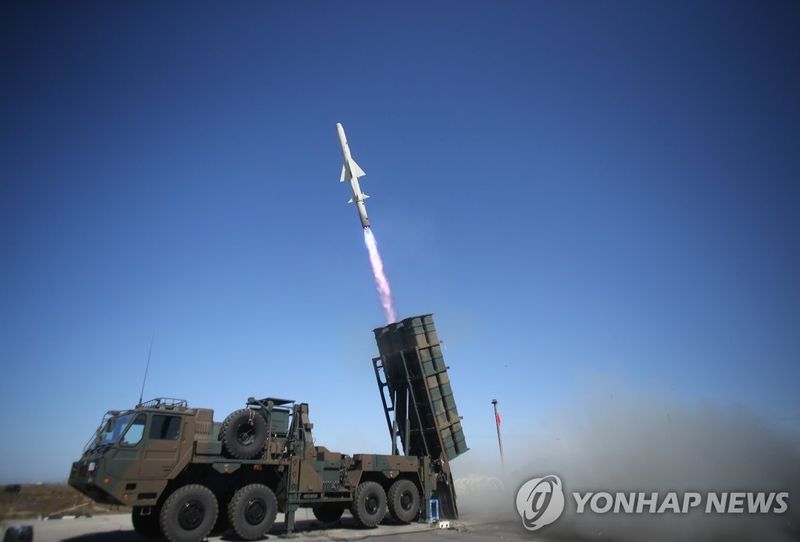
【Financial News, Tokyo = Correspondent Hye-jin Seo】Japan’s largest bank, MUFG Bank, will significantly expand lending to the defense industry. It will broaden defense financing, previously limited to working-capital loans for large companies, to small and midsize firms and startups with advanced technologies such as artificial intelligence (AI), drones and satellites. As the Japanese government increases defense spending by 1.7 times over five years and private financial institutions begin supplying funds, Japan’s defense industry is expected to enter a new phase of growth.
According to Nihon Keizai Shimbun on the 16th, MUFG Bank will soon establish internal criteria for lending to defense-related companies. Moving away from its previous cautious stance toward defense financing, the bank will consider loans for businesses that align with the Japanese government’s security policies.
This is the first time MUFG Bank has established unified internal criteria for defense-related lending. It will initially apply provisional standards, then finalize its policy after reflecting revisions to three key Japanese government security documents scheduled for later this year. Because the criteria concern individual loan reviews, they are not expected to be disclosed publicly.
Until now, MUFG Bank has provided funding to major defense companies such as Mitsubishi Heavy Industries, but most of it consisted of working-capital loans not directly linked to specific weapons-development projects. Going forward, the bank will expand eligibility to companies participating in Ministry of Defense tenders, as well as small and midsize firms and startups producing weapons components.
Dual-use technologies that can also serve military purposes—including AI, sensors, drones and satellite components—will also qualify for financial support if they align with the government’s security policies. Other Japanese megabanks are also expected to revise their lending criteria in the same direction.
However, the bank will maintain its policy of not lending to companies that produce inhumane weapons, such as nuclear weapons and cluster munitions. Arms-related businesses exporting weapons to conflict zones will also be excluded from support.
The Japanese government has urged the banking sector to expand funding to foster the defense industry. Development Bank of Japan (DBJ) effectively allowed investment in and lending to Japanese weapons manufacturers in May. Japan’s Defense Minister Shinjiro Koizumi also asked the Japanese Bankers Association and government-affiliated financial institutions in July to invest in and lend to defense startups.
Japan has increased its defense budget for fiscal 2026 to more than ¥9 trillion (approximately ₩79 trillion) in response to military buildups by China and North Korea. That is 1.7 times the level of five years ago. Kawasaki Heavy Industries is expanding its shipbuilding capacity, while Mitsubishi Heavy Industries and NEC are developing command-and-control systems using drones and AI.
European financial institutions have also expanded defense financing since Russia invaded Ukraine. The European Investment Bank (EIB) eased its lending restrictions last year to include defense equipment such as helicopters and radar. BNP Paribas and Deutsche Bank have also shifted toward supporting the defense industry.
[email protected] Hye-jin Seo Reporter