The ‘GOS Controversy’ That Shook Samsung Galaxy Ends After Four Years...All Domestic and Overseas Lawsuits Concluded
- Input
- 2026-09-16 14:20:05
- Updated
- 2026-09-16 14:20:05
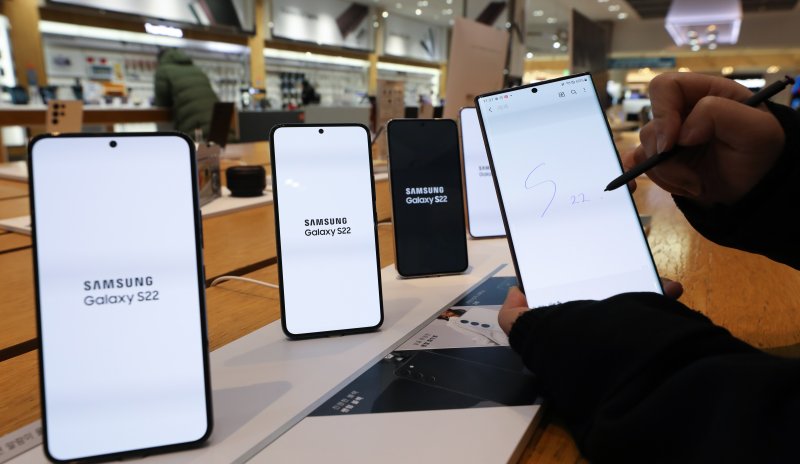
[Financial News] Consumer lawsuits filed in South Korea, the United States and Israel over Samsung Electronics’ Game Optimization Service (GOS) for Samsung Galaxy smartphones have all concluded after four years. None of the eight lawsuits filed in South Korea and overseas since March 2022 resulted in Samsung Electronics being found liable for damages. Industry observers say the various controversies surrounding GOS have effectively been resolved.
According to industry sources on the 16th, a recent class-action lawsuit related to GOS in Israel concluded after the plaintiffs voluntarily withdrew it. The Jerusalem District Court approved the plaintiffs’ withdrawal on the 9th. The South Korean lawsuit had already ended in March after all plaintiffs withdrew their case, while the U.S. lawsuits were concluded through withdrawals by plaintiffs, including one in 2023.
The Israeli lawsuit was filed with the Jerusalem District Court on March 28, 2022. The plaintiffs alleged that Samsung Electronics deceived consumers and violated consumer protection laws by limiting device performance through GOS while allowing high performance only when benchmark apps were run. However, ahead of a hearing scheduled for the 10th of this month, the plaintiffs expressed their intention to withdraw the case late last month. The court approved the withdrawal, bringing the lawsuit to an end. As a result, all eight GOS-related lawsuits filed against Samsung Electronics since March 2022—three in South Korea, four in the United States and one in Israel—have concluded. In none of the cases did a court find Samsung Electronics liable for damages.
In the domestic lawsuit, the Seoul High Court confirmed that the plaintiffs, who were game users, also acknowledged that GOS had been adopted to suppress heat and for other purposes. Based on this, the court ruled that it could not conclude that Samsung Electronics’ labeling and advertising were illegal under the Act on Fair Labeling and Advertising. Subsequently, about 2,000 consumers who had joined the domestic lawsuit withdrew their civil claims without challenging the court’s decision. They also withdrew all complaints and reports related to GOS filed with the Korea Fair Trade Commission. As the parties themselves withdrew their objections, industry observers say the controversy over deliberately reducing performance and deceiving consumers has effectively been resolved.
GOS is software that manages heat and power consumption by regulating the operation of the central processing unit (CPU) and graphics processing unit (GPU) when high-specification games are run on Samsung Galaxy smartphones. It is designed to prevent the application processor (AP) from suffering a sharp drop in performance due to heat and to reduce battery consumption, thereby maintaining a stable gaming environment for extended periods. The feature is not applied uniformly to all applications. It operates only in certain high-specification games that require substantial computing performance and does not affect other apps.
The GOS controversy erupted in early 2022 after some users bypassed GOS using separate programs and Samsung Electronics blocked the bypass route on the Samsung Galaxy S22. In March of the same year, Samsung Electronics released a software update allowing users to select a performance-priority option themselves.
[email protected] Yoon Hong-jip Reporter