Accounts from Gambling Victims, Money from Small Businesses... 'Thailand No-Show Fraud Ring' Arrested
- Input
- 2026-09-16 12:00:00
- Updated
- 2026-09-16 12:00:00
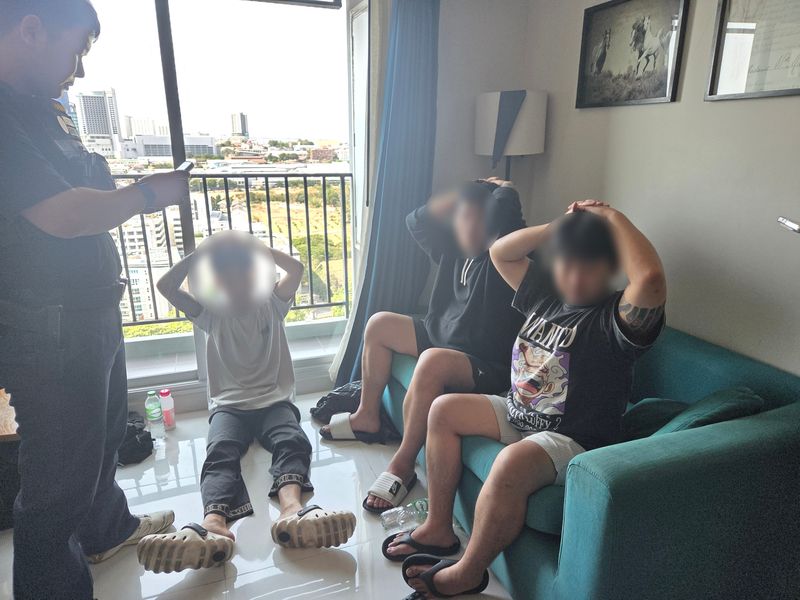
On the 16th, the Financial Crime Investigation Unit, Seoul Metropolitan Police Agency, announced that it had arrested 10 people, including A (31), the team leader of a phishing scam organization based in Pattaya, Thailand, on charges of joining and engaging in a criminal organization, fraud, and violating the Electronic Financial Transactions Act. Among them, eight were detained.
On April 27, the police conducted a joint raid with the Thai police and arrested nine members of the organization at a resort in Pattaya. They were repatriated to Korea sequentially from May to August.
According to the police, they are accused of committing so-called 'no-show fraud' against domestic equipment and supply companies from February 24 to April 8, swindling approximately 600 million won from 22 victims.
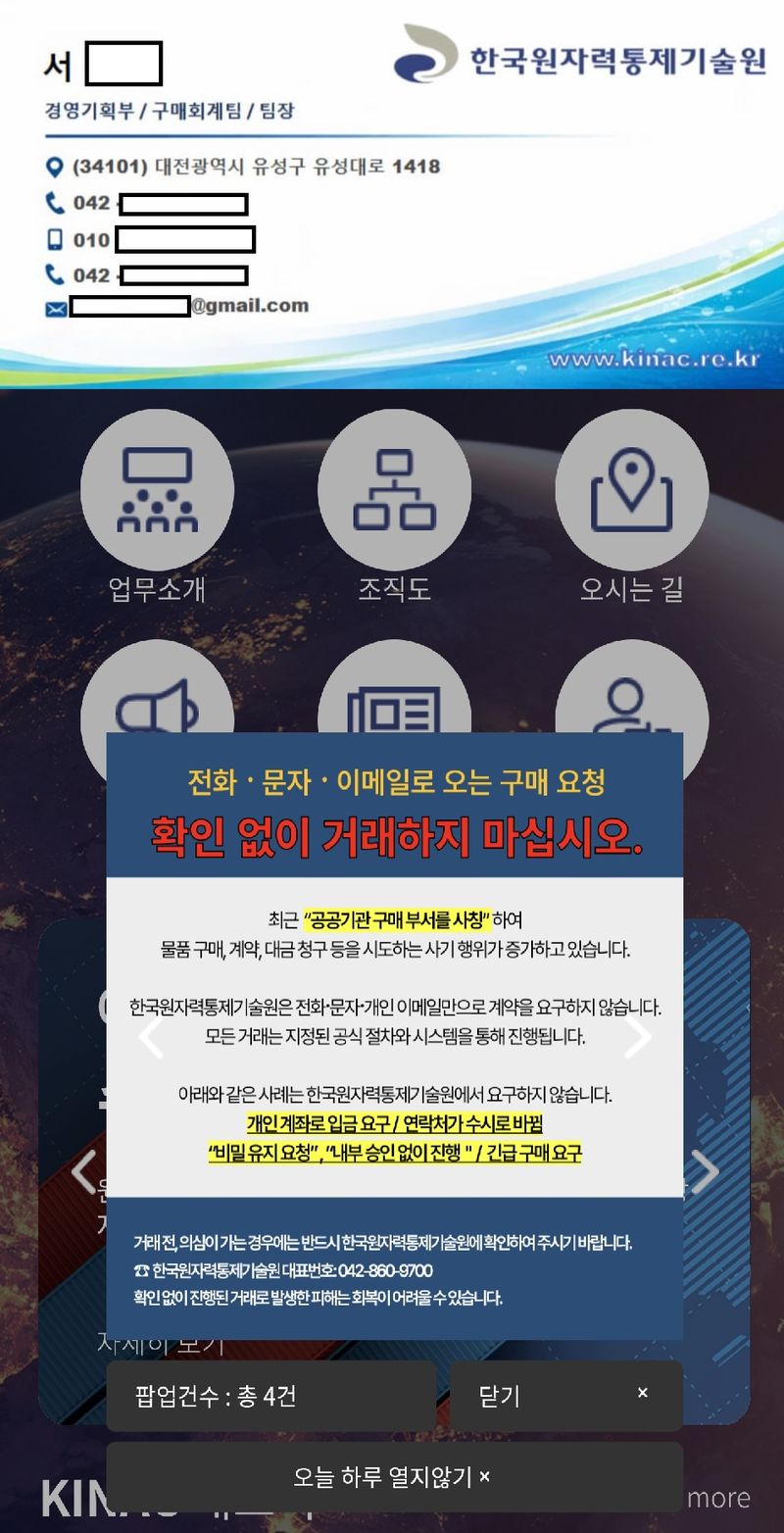
After obtaining the personal information of users of private gambling sites, they approached them by claiming they would 'compensate for gambling losses through guarantee insurance.' They then tricked the victims into opening new accounts by stating that 'transaction records must be created to claim the compensation,' and subsequently obtained information that allowed them to use the accounts, such as account numbers, passwords, and mobile phone applications. They also used forged documents modeled after actual guarantee insurance company paperwork and fake business cards in their crimes.
The accounts secured in this manner were immediately used to receive proceeds from no-show scams. The scam team called small domestic equipment and supply companies, impersonating officials from public institutions such as universities, city halls, education offices, and prisons. They first gained the companies' trust by stating they would place orders for desks, equipment, or construction work worth several million to tens of millions of won. Subsequently, claiming they 'urgently needed these items for a fire safety inspection,' they demanded that the victim companies purchase items they did not carry, such as fire blankets for suffocation fires or fire extinguishers, from other vendors they recommended. Their plan was to pay for both the original order and the proxy purchasing fees all at once later.
However, the vendors they introduced were also fake companies set up by the organization. When the victim sent the proxy purchase fee, they took the money and cut off contact.
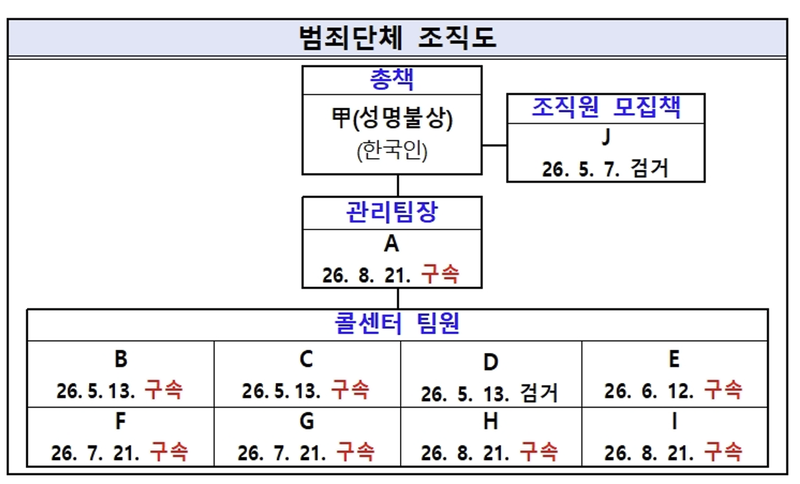
The organization was composed of a total of 11 people, including the ringleader, a management team leader, call center team members, and recruiters, all of whom were Korean.
The ringleader and the management team leader repeatedly trained the members in crime scenarios and paid them commissions such as 3 million won per account recruited or 10% of the proceeds from a successful no-show scam. The police believe they controlled the members by keeping their passports and mobile phones used for criminal activities in separate storage.
The police launched a crackdown in Thailand about a month after receiving intelligence regarding an overseas phishing organization in late March. The police explained that they prevented further damage by arresting most of the members about two months after the criminal group was formed.
Meanwhile, the police are tracking the whereabouts of the unapprehended ringleader through international cooperation with relevant countries, including Thailand, keeping in mind the possibility that he may be moving between Southeast Asian nations.
[email protected] Choi Seung-han Reporter