Police to Establish Dedicated Units for Prosecutors’ Request Cases Nationwide, Assigning 144 Officers
- Input
- 2026-09-16 12:00:00
- Updated
- 2026-09-16 12:00:00
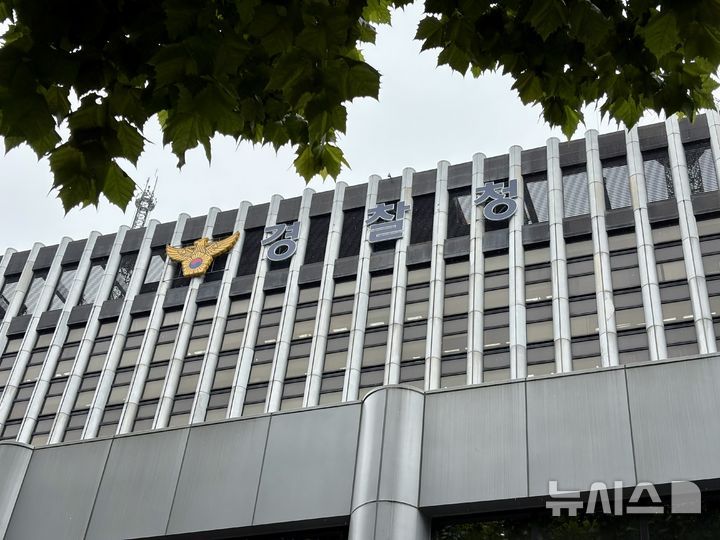
[Financial News] The police will establish dedicated units at metropolitan and provincial police agencies nationwide to manage cases involving prosecutors’ requests for supplementary investigations, reinvestigations and corrective measures. The National Office of Investigation will also establish a new Serious Official-Duty Crimes Investigation Unit to handle investigative misconduct and other wrongdoing within the police.
The Korean National Police Agency said on the 16th that it would establish Investigation Cooperation Units this month to manage cases involving prosecutors’ requests, in line with the implementation of the revised Criminal Procedure Act. The move is intended to address concerns arising from the abolition of prosecutors’ authority to request supplementary investigations and to improve the completeness of police supplementary investigations.
In the second-half personnel reshuffle this month, the investigation review sections at each metropolitan and provincial police agency will be upgraded and reorganized into Investigation Review Divisions headed by senior superintendent-level officials. Investigation Cooperation Units will be established under the divisions to manage and support the proper implementation of prosecutors’ requests for supplementary investigations, reinvestigations and corrective measures.
A total of 144 officers will be assigned to Investigation Cooperation Units nationwide. Seoul will have the largest unit with 27 officers, followed by Gyeonggi Nambu with 19, Busan with 12, Incheon with nine and Gyeongnam with eight. The units will monitor and analyze the receipt and processing of cases involving prosecutors’ requests in real time. Officers will be assigned by region or police station to oversee cases from receipt through notification of implementation results. They will also provide support by reviewing the appropriateness of investigative directions and outcomes.
In addition, liaison officers will be assigned to each metropolitan and regional prosecutors’ office. They will serve as communication channels, coordinating discussions between investigation teams and prosecutors before results are reported so that complete investigative outcomes can be reached.
Management at the frontline and metropolitan and provincial levels will also be strengthened. Police station chiefs will receive daily reports on cases involving prosecutors’ requests and direct the investigations, while metropolitan and provincial police chiefs or heads of investigation divisions will hold monthly case-management meetings to review the receipt and implementation status of cases. The measures are intended to prevent prosecutors’ requests from being omitted or improperly carried out.
A separate organization will also be created to address investigative misconduct within the police. During the second-half personnel reshuffle this month, the police will establish a Serious Official-Duty Crimes Investigation Unit under the National Office of Investigation. The unit will investigate crimes related to the performance of official duties, including bribery and the disclosure of official secrets, and respond to corruption, collusion, downsizing or concealment of cases that may occur during investigations.
The Serious Official-Duty Crimes Investigation Unit will operate nationwide by region. It will collect intelligence on investigative misconduct within police agencies and conduct investigations into officers found to have engaged in wrongdoing.
The police are also considering assigning Investigation Review Officers, primarily legal experts, to police stations nationwide as fixed-term public officials. The plan is to closely review cases that the police have closed themselves, including decisions not to open a case and cases closed as unresolved under police management, to prevent the possibility of inadequate investigations. It also aims to improve the completeness of investigations into major cases referred to prosecutors through legal review.
An official from the National Office of Investigation said, "By establishing dedicated units to manage cases involving prosecutors’ requests and creating the Serious Official-Duty Crimes Investigation Unit, we will ensure that police investigations are conducted swiftly and thoroughly. We will also eliminate misconduct in the performance of official duties within the police, secure the fairness of investigations and enhance public confidence in police investigations."
[email protected] Yeji Kim Reporter