Seocheon’s Janghang Washes Away Its Pollution Scars, Challenges to Host Korea’s First ‘National Recreational Park’
- Input
- 2026-09-16 14:00:00
- Updated
- 2026-09-16 14:00:00
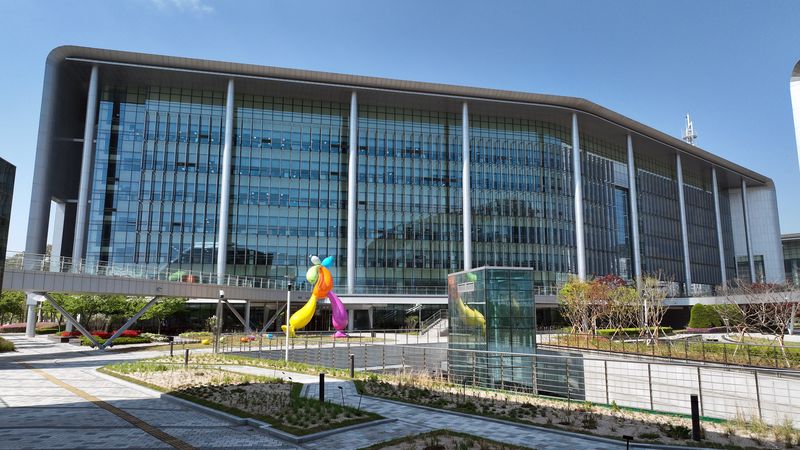
South Chungcheong Province said on the 16th that it proposed the Janghang area of Seocheon as the optimal site for simultaneously achieving ecological conservation, public recreation and local economic revitalization at a forum held at the National Assembly on introducing a designation system for national recreational parks.
The forum was jointly hosted by lawmakers Kim Hyung-dong and Kim Joo-young and co-organized by the Ministry of Climate, Energy and Environment and the Korea National Park Service. Participants from academia, civic groups and local governments discussed designation criteria and the expected benefits of introducing the system.
A national recreational park is a new type of park system that maintains the strict conservation-centered functions of existing national parks while actively linking outstanding ecological resources with public recreation and tourism so that local communities and the nation can prosper together.
Kim Young-myung, director of South Chungcheong Province’s Climate, Environment and Forestry Bureau, who served as a panelist, recommended Seocheon County as a leading candidate, saying, "The designation criteria for national recreational parks should include not only rivers and lakes but also diverse resources such as coasts, tidal flats and wetlands with high ecological value."
Seocheon is home to exceptional ecological resources, including the Seocheon Tidal Flats, which are listed as a UNESCO World Natural Heritage site, as well as the Geum River Estuary, Yubudo Island and Janghang National Wetland. In particular, a national ecological restoration project is under way at the Janghang Brownfield, an area that suffered from soil contamination after a smelter was established during the Japanese colonial period. This has led to assessments that the area is well suited to a national recreational park model combining restoration and recreation.
South Chungcheong Province plans to respond actively to the drafting of related laws and systems and concentrate its administrative efforts so that Seocheon can be designated as the first national recreational park once the system is established.
Director Kim emphasized, "I will continue to present opinions so that national recreational parks can take root as a new national policy model in which ecological conservation, public recreation and regional development coexist, and I will do my utmost to secure the designation of Seocheon."
South Chungcheong Province’s effort to attract a national recreational park to Seocheon carries historical significance, as it seeks to transform the painful legacy of the area around the Janghang Smelter—once synonymous with environmental pollution during the country’s industrialization—into an ecological asset. The Janghang Brownfield is an area where surrounding ecosystems were destroyed and residents’ right to health was compromised by heavy-metal soil contamination following the smelter’s operation in the 1930s. The government and South Chungcheong Province have invested hundreds of billions of won in soil remediation and wetland restoration projects.
[email protected] Kim Won-jun Reporter